
Aflatoxin Testing
PJLA-accredited Aflatoxin Testing in food via competitive ELISA (SOP 097) at our Houston laboratory supporting US clients who manage FDA action levels, buyer specifications, and FSMA preventive-controls verification.
Defensible Aflatoxin Testing for Nuts, Grains, Spices & Dairy
Aflatoxins are the most heavily regulated fungal toxins in the world. Produced by the molds Aspergillus flavus and Aspergillus parasiticus, they contaminate nuts, grains, spices, and dried fruit across the food supply, and aflatoxin B1 is classified by the IARC as a Group 1 human carcinogen. In the United States, the FDA enforces an action level of 20 ppb total aflatoxins in human food and 0.5 ppb aflatoxin M1 in milk through Import Alert 23-14, DWPE detentions, and routine domestic sampling. AGT Food Labs performs PJLA-accredited Aflatoxin Testing at our Houston laboratory under ISO/IEC 17025:2017 using competitive ELISA (SOP 097), and we coordinate broader toxin panels through vetted partner laboratories when clients need them.
Accredited Aflatoxin ELISA
Our SOP 097 ELISA for Aflatoxin in the Food matrix is listed on our PJLA scope (Cert. L26-535, Accreditation No. 117946) with Flex Codes F1 and F4.
FDA Action-Level Alignment
We set reporting limits to clearly resolve results against FDA's 20 ppb total aflatoxins in food and 0.5 ppb M1 in milk, plus the tighter limits that EU and other export markets apply to infant and baby food.
Broader Toxin Coverage
Need OTA, DON, Fumonisin, Zearalenone, T-2/HT-2, or Patulin? We coordinate sub-contracted analysis with vetted partner labs and consolidate results into a single Certificate of Analysis.
Accredited Aflatoxin Testing & Extended Toxin Program Support
One PJLA-accredited line item powers our in-house Aflatoxin Testing, while broader toxin work is offered as coordinated sub-contracted support. The two blocks below clearly separate what is accredited at AGT Food Labs from what we deliver through partner labs.
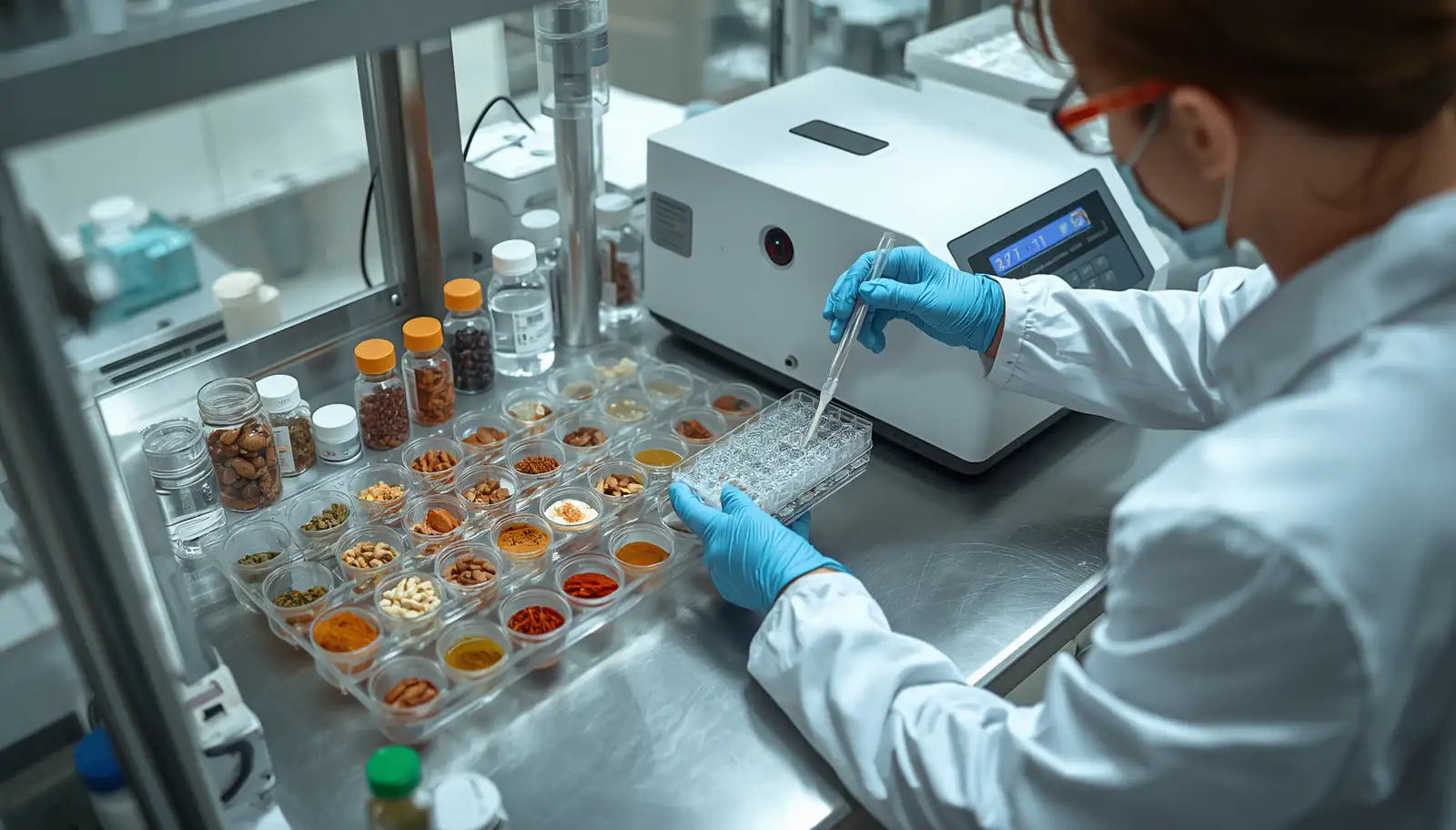
Aflatoxin ELISA (SOP 097) · PJLA Accredited
Aflatoxin Testing at AGT Food Labs uses competitive enzyme-linked immunosorbent assay (ELISA) following internal SOP 097. First, our analysts extract and clean up each sample; then they quantify it on a microplate reader against a calibrated standard curve. Overall, ELISA delivers a strong balance of sensitivity, throughput, and cost, so it suits routine release testing, supplier verification, and shipment screening particularly well.
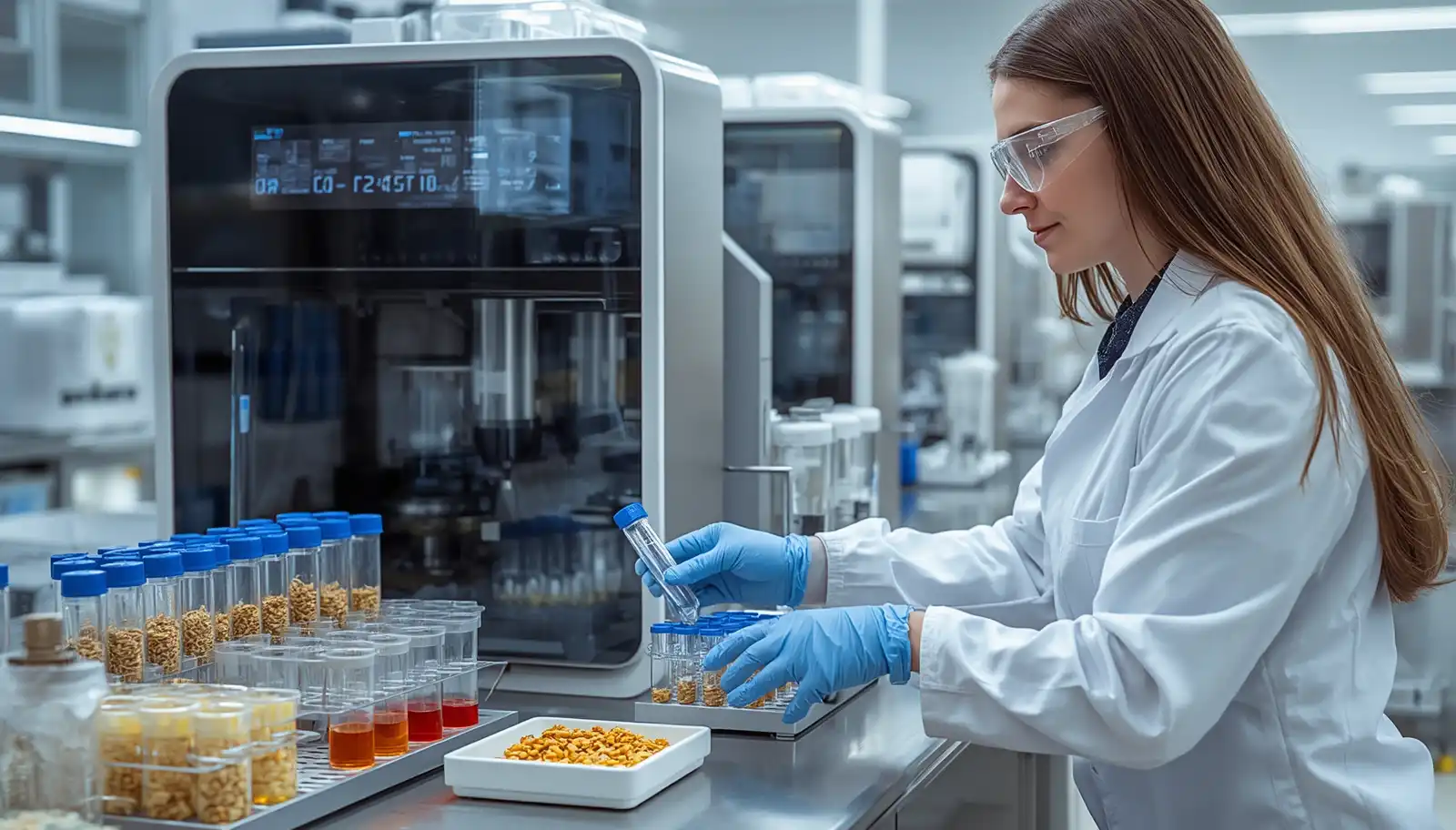
Broader Toxin Testing Coordinated Program Support
Most clients managing aflatoxin exposure also need a wider toxin program covering Ochratoxin A (OTA), Deoxynivalenol (DON / vomitoxin), Fumonisin, Zearalenone, T-2 / HT-2 toxins, and Patulin. However, these are not currently on the AGT Food Labs PJLA scope. Therefore, we coordinate analysis with vetted partner laboratories and consolidate reporting into a single Certificate of Analysis, so clients see one project, one project manager, and one timeline.
The Aflatoxins We Detect
ELISA screens for the aflatoxin group and reports a Total Aflatoxins result. Understanding the individual types clarifies which matters for your commodity.
Aflatoxin B1 & B2
The most common and most toxic forms in nuts, corn, and spices. B1 is the most potent naturally occurring liver carcinogen known and an IARC Group 1 carcinogen — the primary driver of FDA action levels.
Aflatoxin G1 & G2
Produced mainly by Aspergillus parasiticus and frequently co-occurring with the B forms. B1, B2, G1, and G2 are summed to give the Total Aflatoxins value that FDA's 20 ppb food action level applies to.
Aflatoxin M1
The hydroxylated metabolite that appears in the milk of dairy animals fed aflatoxin-contaminated feed. FDA sets a separate, much lower action level of 0.5 ppb M1 in milk.
FDA Aflatoxin Action Levels for the US Market
Aflatoxin is regulated in the United States through FDA action levels enforced at import and in domestic commerce. We set our reporting limits to resolve results clearly against the level that applies to your commodity.
| Commodity / Intended Use | Aflatoxin Measured | FDA Action Level |
|---|---|---|
| All human foods (nuts, corn, grains, spices, dried fruit) | Total aflatoxins (B1+B2+G1+G2) | 20 ppb |
| Peanuts & peanut products | Total aflatoxins | 20 ppb |
| Brazil nuts & pistachios | Total aflatoxins | 20 ppb |
| Milk | Aflatoxin M1 | 0.5 ppb |
| Corn / peanut products for dairy animals & immature animals | Total aflatoxins | 20 ppb |
| Corn / peanut products for breeding cattle, breeding swine & mature poultry | Total aflatoxins | 100 ppb |
| Corn / peanut products for finishing swine (≥100 lbs) | Total aflatoxins | 200 ppb |
| Corn / peanut products for finishing beef cattle; cottonseed meal (beef, swine, poultry) | Total aflatoxins | 300 ppb |
Source: FDA Guidance for Industry — Action Levels for Poisonous or Deleterious Substances in Human Food and Animal Feed. Export markets apply tighter limits (for example, an EU limit of 0.1 µg/kg aflatoxin B1 in baby and infant food). We report against the limit you specify on the chain of custody.
Methodology & Technology
The instrumentation, sample-preparation discipline, and quality controls behind every accredited Aflatoxin Testing result.
-
ELISA Microplate Quantification
Specifically, we run a competitive enzyme immunoassay with calibrated standard curves on each plate per SOP 097. This provides defensible aflatoxin quantification with the throughput needed for shipment release work.
-
FDA Action-Level Awareness
In addition, we design reporting limits to clearly resolve results against FDA's 20 ppb total aflatoxins in food and 0.5 ppb M1 in milk, as well as the tighter limits that EU and other export markets apply to infant and baby food.
-
Matrix-Specific Sample Prep
For example, we apply validated extraction and clean-up procedures for high-fat (peanut, tree nut), high-pigment (paprika, chili), and high-starch (corn, rice) matrices — the three matrix groups where aflatoxin recovery is most challenging.
-
ISO/IEC 17025 Quality System
Furthermore, we perform all work under our PJLA-accredited quality system (Cert. L26-535, Accreditation No. 117946), with version-controlled SOPs, calibration traceability, proficiency testing, and reviewed Certificates of Analysis.
-
FDA Import Detention Note
Aflatoxin is not on our FDA LAAF-recognized scope, so this test is not offered for LAAF-required import detention (DWPE) removal testing. Our aflatoxin results support domestic lot release, supplier verification, and buyer specifications.

Who Uses Our Aflatoxin Testing
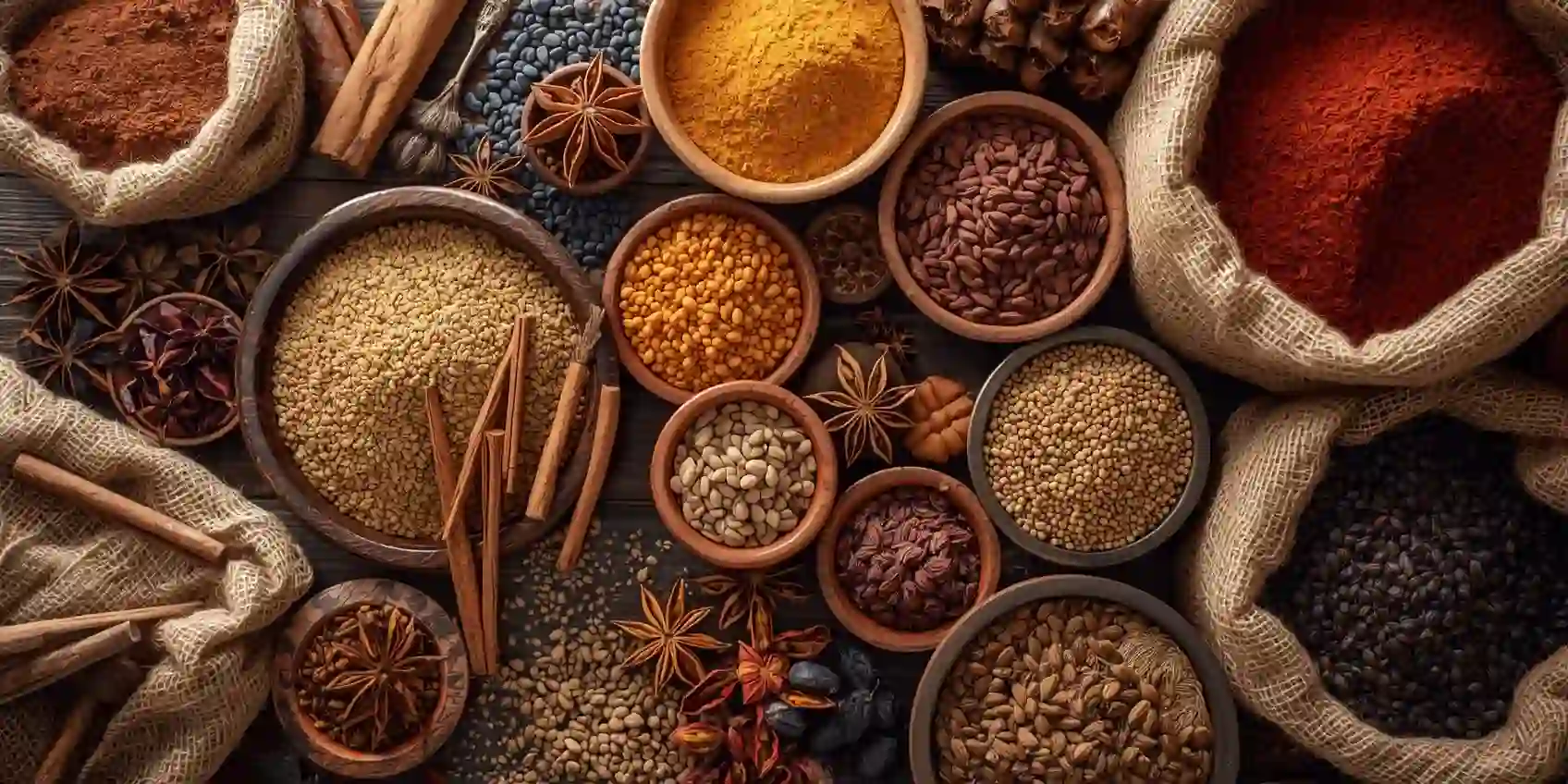
Food categories with the highest regulatory and recall exposure for aflatoxin.


Why Choose AGT Food Labs
An accredited partner for aflatoxin work and a coordinated single point of contact for broader toxin programs.
ISO/IEC 17025:2017
PJLA accreditation (Cert. L26-535, Acc. No. 117946). Aflatoxin via SOP 097 ELISA is on the published scope.
Single Point of Contact
One project manager, one COA, one timeline — even when broader toxin work is coordinated with partner labs.
Regulatory Reporting
Results reported against FDA action levels and your buyer or export specifications.
Frequently Asked Questions
Which aflatoxin testing method do you use?
What is the FDA action level for aflatoxin?
Do you test other toxins like OTA, DON, Fumonisin, or Zearalenone?
Which FDA action level applies to my product?
Can you test aflatoxin for FDA import detention (DWPE) clearance?
How much sample do you need?
How are results reported?
Is the accreditation publicly verifiable?
Quote Your Aflatoxin Testing Panel
Tell us the matrix, target analytes, and turnaround you need, and we will send pricing and sample-prep guidance within one business day. Single-analyte aflatoxin work is performed in-house, while broader toxin panels are coordinated with vetted partner labs.
Request a Free Quote