
Food Additives Testing
& Preservatives Analysis
State-of-the-art food additives testing for preservatives, synthetic dyes, and antioxidants — built to keep your formulations within FDA regulatory limits.
Ensuring Compliance with Food Additives and Preservatives
Food additives testing is a critical step in verifying product safety and regulatory compliance. Under FDA 21 CFR regulations, manufacturers must ensure that ingredients like chemical preservatives and synthetic color additives remain within safe consumption limits (known as GRAS status).
Whether you are verifying the concentration of antimicrobial preservatives like Sodium Benzoate to inhibit microbial growth, or ensuring your synthetic dyes match their FD&C specifications for purity, our laboratory utilizes High-Performance Liquid Chromatography (HPLC) to deliver accurate data you can trust. We also verify label claims like 'Sugar-Free' via nutritional analysis.
Accreditation scope: Our PJLA ISO/IEC 17025:2017 accreditation (Cert L26-535) covers benzoate & sorbate preservatives (SOP 056), the six certified FD&C synthetic dyes — Tartrazine (Yellow 5), Sunset Yellow (Yellow 6), Allura Red (Red 40), Brilliant Blue (Blue 1), Indigotine (Blue 2), Fast Green (Green 3) — by SOP 057, and the antioxidants BHA, BHT & TBHQ (SOP 049 / AOAC 983.15). Additional additives shown below (sulfites, parabens, calcium propionate, Erythrosine/Red 3, propyl gallate, and illegal-dye screening) are offered as non-accredited validated analyses.
Why Food Additives Testing Matters
Regulatory Compliance
Strict adherence to FDA limits for restricted additives is non-negotiable to prevent costly recalls.
Labeling Accuracy
Verify claims such as "No Artificial Preservatives" and specific color declarations (e.g., "Yellow No. 5") with analytical proof.
Export Certification
Screen products for international export readiness, ensuring compliance with bans on specific dyes or synthetic antioxidants.
Detailed Analysis Catalog
Targeted quantification methods for chemical preservatives, synthetic colors, and antioxidants.
Preservatives Testing & Quantification
Common antimicrobial preservatives are essential for extending shelf life but are heavily regulated. Our food additives testing protocols quantify these agents to ensure they are effective without exceeding FDA maximum usage levels. Confirm food quality parameters like pH are optimal for preservative efficacy.
Accredited Analytes (ISO/IEC 17025:2017)
Sodium Benzoate (benzoic acid) and Potassium Sorbate (sorbic acid) — by HPLC, SOP 056.
Additional Non-Accredited Screens
Parabens (Methyl, Ethyl, Propyl), Sulfites (SO₂), and Calcium Propionate — offered as validated non-accredited analyses (outside the current PJLA scope).
Test Methods
HPLC-UV per SOP 056 for benzoates and sorbates. Sulfites by Ion Chromatography / Monier-Williams (non-accredited screen).
Technical Specs
Sample Size: 100g | LOD: < 10 ppm | Shipping: Ambient or Refrigerated
Accreditation & TAT
ISO/IEC 17025:2017 Accredited (benzoates & sorbates) | 3-5 Business Days
Synthetic Dyes and Color Additives Analysis
The FDA requires batch certification for synthetic color additives used in food. We perform comprehensive screening for synthetic dyes to detect the presence and concentration of the certified FD&C colors, ensuring they meet strict purity specifications.
Accredited Analytes (ISO/IEC 17025:2017, SOP 057)
FD&C Yellow #5 (Tartrazine), Yellow #6 (Sunset Yellow), Red #40 (Allura Red), Blue #1 (Brilliant Blue), Blue #2 (Indigotine), Green #3 (Fast Green) — by HPLC-DAD.
Additional Non-Accredited Screens
FD&C Red #3 (Erythrosine) and prohibited-colorant screening (e.g., Sudan dyes) — offered as validated non-accredited analyses.
Test Methods
HPLC-DAD (Diode Array Detection) or UV-Vis Spectrophotometry.
Technical Specs
Sample Size: 100g | LOD: < 1 ppm | Shipping: Ambient (Protect from light)
Accreditation & TAT
ISO/IEC 17025:2017 Accredited | 5 Business Days
Food Antioxidants Testing Laboratory
Synthetic antioxidants prevent lipid oxidation and rancidity in fats and oils. Their use is strictly limited by weight of fat content, so our antioxidant analysis provides precise quantification to validate your formulation remains within safe limits.
Accredited Analytes (ISO/IEC 17025:2017, SOP 049 / AOAC 983.15)
BHA (Butylated Hydroxyanisole), BHT (Butylated Hydroxytoluene), and TBHQ (Tert-Butylhydroquinone) — by HPLC.
Additional Non-Accredited Screen
Propyl Gallate — offered as a validated non-accredited analysis (outside the current PJLA scope).
Test Methods
HPLC per SOP 049 (AOAC 983.15); GC-MS confirmation available on request.
Technical Specs
Sample Size: 100g | LOD: < 5 ppm | Shipping: Refrigerated (Protect from light & air)
Accreditation & TAT
ISO/IEC 17025:2017 Accredited (BHA, BHT, TBHQ) | 5-7 Business Days
Industries We Serve
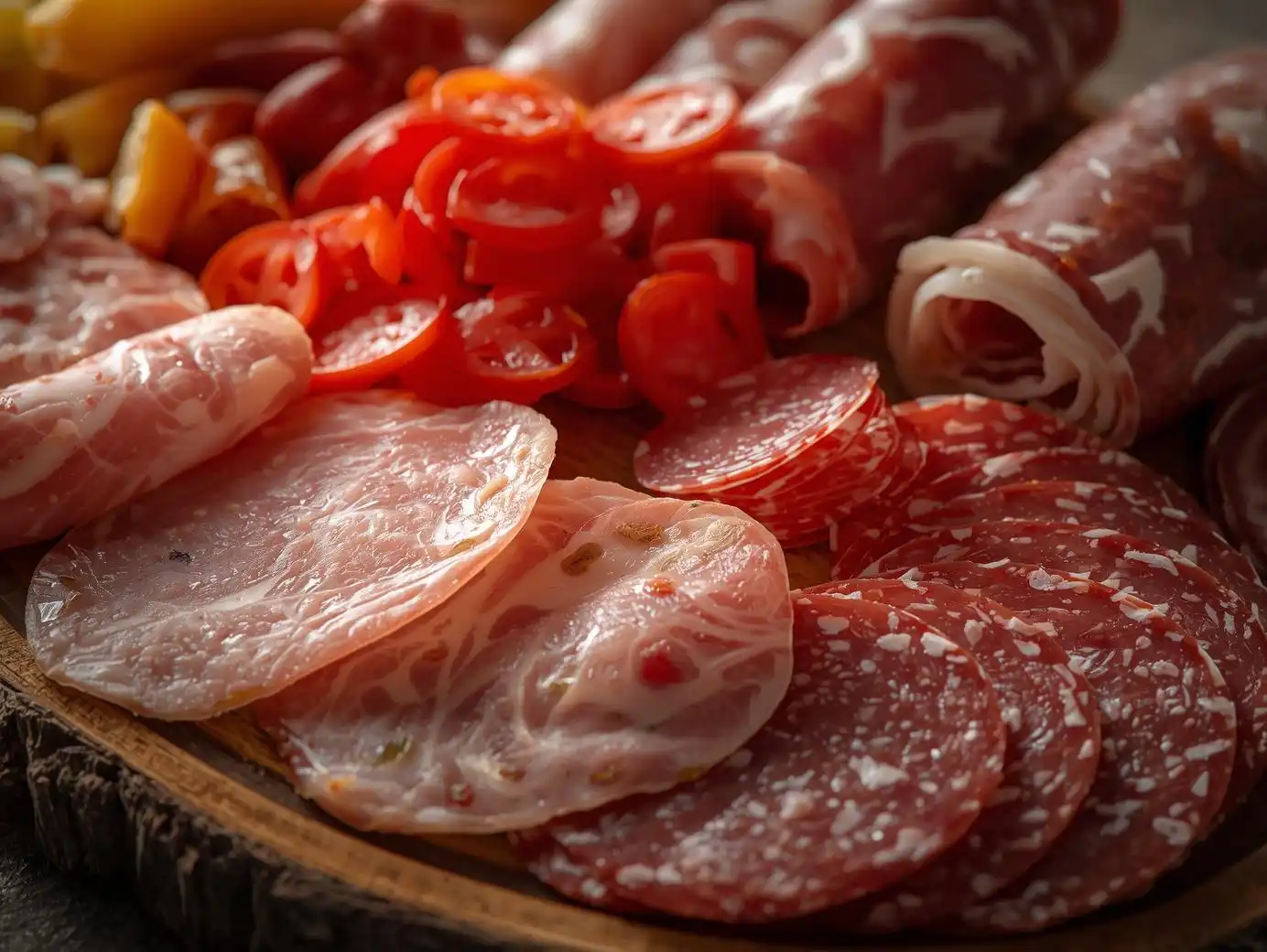
Specialized analytical support for sectors that rely on safe formulations and preservatives. From beverage manufacturers monitoring sorbate levels to processed-meat producers tracking nitrite limits, our laboratory tailors panels and reporting cadence to the unique regulatory pressures facing each product category.

Technical Capabilities
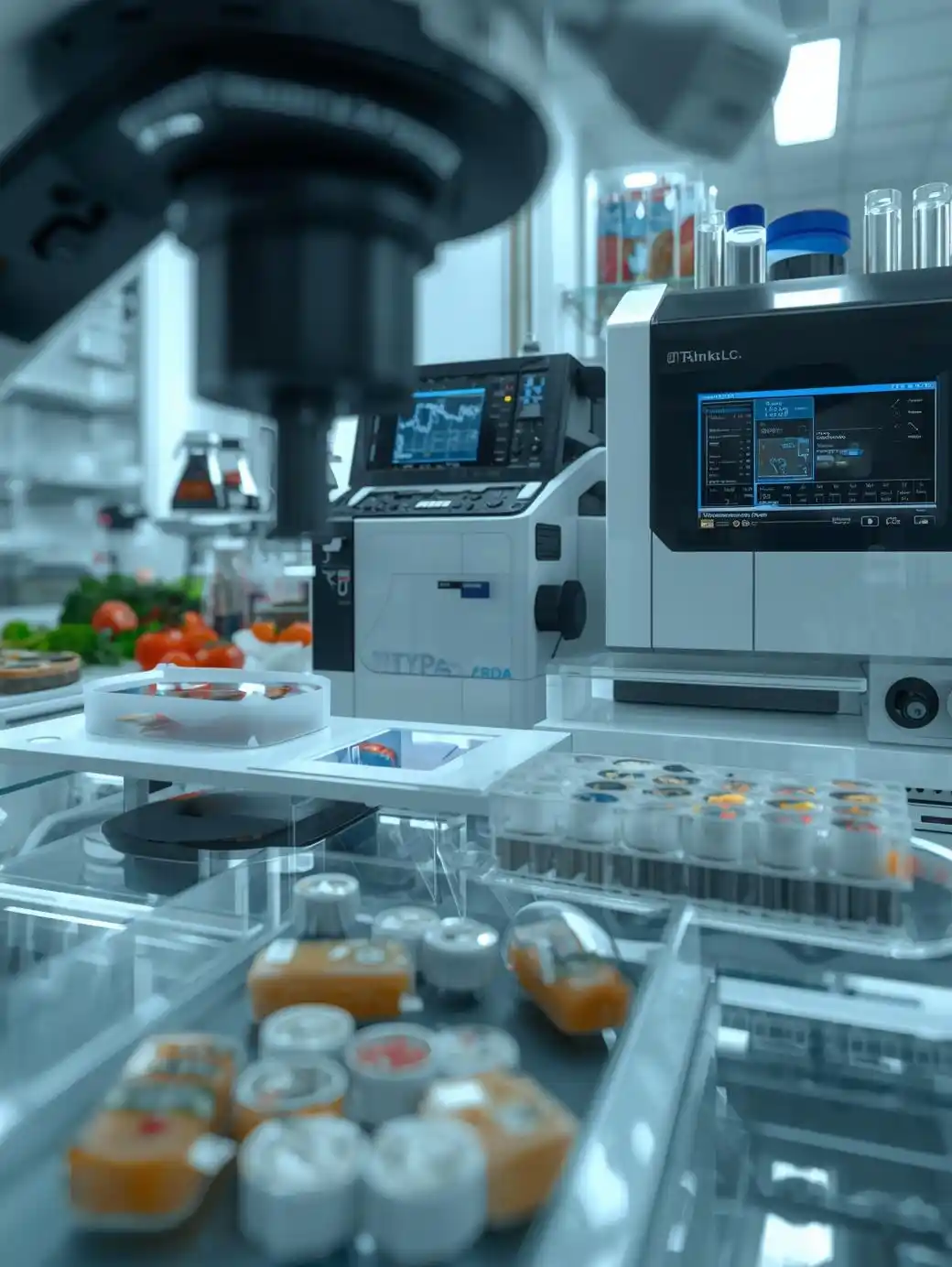
Advanced chromatography and method validation for precise food additives testing and detection.
-
High-Performance Liquid Chromatography (HPLC)
The primary accredited tool for separating and quantifying non-volatile preservatives (benzoates, sorbates), synthetic dyes, and antioxidants (BHA, BHT, TBHQ) with high specificity and resolution.
-
Gas Chromatography (GC-MS)
Employed for confirmation of volatile antioxidants (like BHA and BHT), allowing for molecular fingerprinting and identity confirmation at low levels.
-
Method Validation
All methods are validated for linearity, accuracy, and precision according to AOAC and FDA PAM guidelines to ensure data integrity.
Partner with AGT Labs
From formulation to shelf, we provide the chemical data necessary to launch safe food products.
ISO/IEC 17025:2017 Accredited
Accredited by PJLA (#117946, Cert L26-535). Our scope covers benzoate & sorbate preservatives, the six certified FD&C synthetic dyes, and BHA/BHT/TBHQ antioxidants; additional additives are offered as non-accredited screens.
Regulatory Expertise
We help interpret results in the context of US FDA and international limitations.
Formulation Support
Identifying over-usage or degradation of additives to help you refine your recipe.
Common Questions About Food Additives Testing
Why is food additives testing important for regulatory compliance?
What specific preservatives do you test for?
How do you verify the purity of synthetic food dyes?
Can you detect prohibited additives or illegal dyes?
What methods are used to quantify antioxidants in fats and oils?
What is the typical turnaround time for additives testing?
Need Reliable Food Additives Testing?
Ensure regulatory compliance and safety with our accredited analytical services.
Get A Free Quote