
FDA Import Detention
Testing
FDA LAAF-accredited microbiological testing for imported food held under Detention Without Physical Examination (DWPE). Our Houston and Harlingen, TX laboratories test for Salmonella, Listeria, E. coli O157:H7, STEC, and other organisms on our LAAF scope, and submit results directly to FDA.
Clear Detained Shipments With LAAF-Accredited Data
When FDA issues a Notice of FDA Action, your container sits at the port while storage and demurrage fees build. If the release depends on laboratory testing, FDA requires that the analysis be done by a laboratory accredited under its LAAF program for that specific test, with results sent directly to FDA. AGT Food Labs holds LAAF accreditation at two Texas laboratories for a defined set of microbiological tests, and we confirm whether your required analysis is on that scope before you send a single sample.If this is your first detention, our step-by-step FDA detention release guide covers each stage from Notice of FDA Action through removal from the import alert.
Know the Scope Before You Ship
LAAF Is Test-Specific
A lab's LAAF status applies only to the methods marked on its certificate, not to everything it tests.
Our LAAF Scope
Microbiological pathogens and indicator organisms, plus gluten at Houston and water activity and pH at Harlingen.
Chemistry Is Not LAAF
Our pesticide, heavy metal, and residue methods are ISO/IEC 17025 accredited but cannot be used to release a DWPE shipment.
Import Testing Services
LAAF-accredited microbiology for detention release, and accredited chemistry for screening before goods ship.
Pathogen Testing for DWPE Release · FDA LAAF

The pathogens behind most microbiological import alerts, tested under methods marked as LAAF-accredited on our PJLA certificates.
LAAF-Accredited Organisms
Salmonella spp., Listeria monocytogenes, Listeria spp., E. coli O157:H7, Shiga toxin-producing E. coli (STEC), Cronobacter (Houston), and Bacillus cereus.
Methods
AOAC Performance Tested Methods (lateral flow and PCR) and FDA BAM cultural methods, exactly as listed on Cert L26-535 (Houston) and Cert L26-518 (Harlingen).
Indicator Organisms & Quality Tests · FDA LAAF
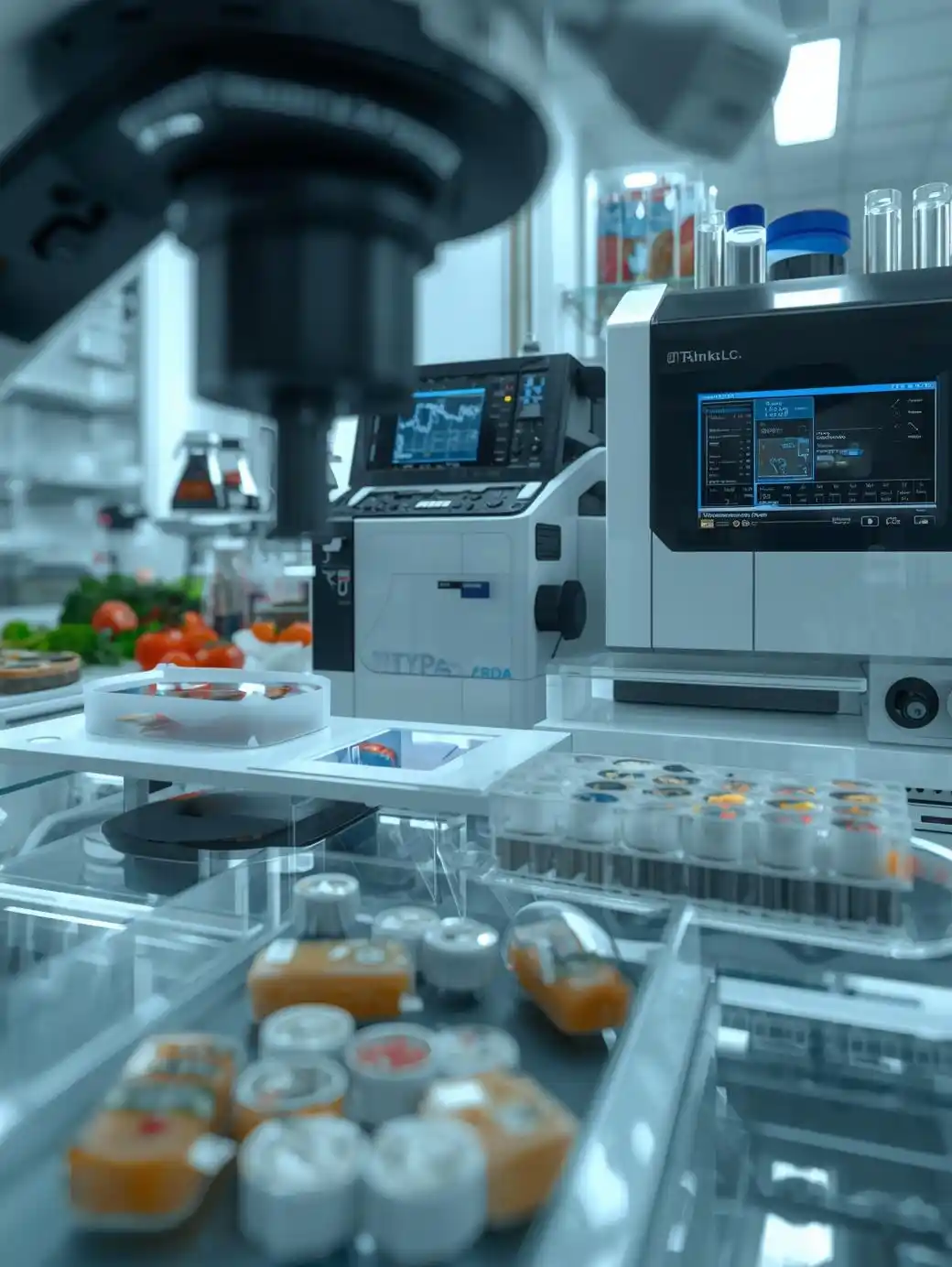
Indicator and spoilage organisms used to show sanitation and product quality, also on our LAAF scope.
LAAF-Accredited Tests
Aerobic plate count, Enterobacteriaceae, total coliforms, E. coli, Staphylococcus aureus, yeast and mold, and lactic acid bacteria; gluten (gliadin, R5 ELISA) at Houston; water activity and pH at Harlingen.
Pre-Shipment Chemistry Screening · ISO/IEC 17025 (Not LAAF)
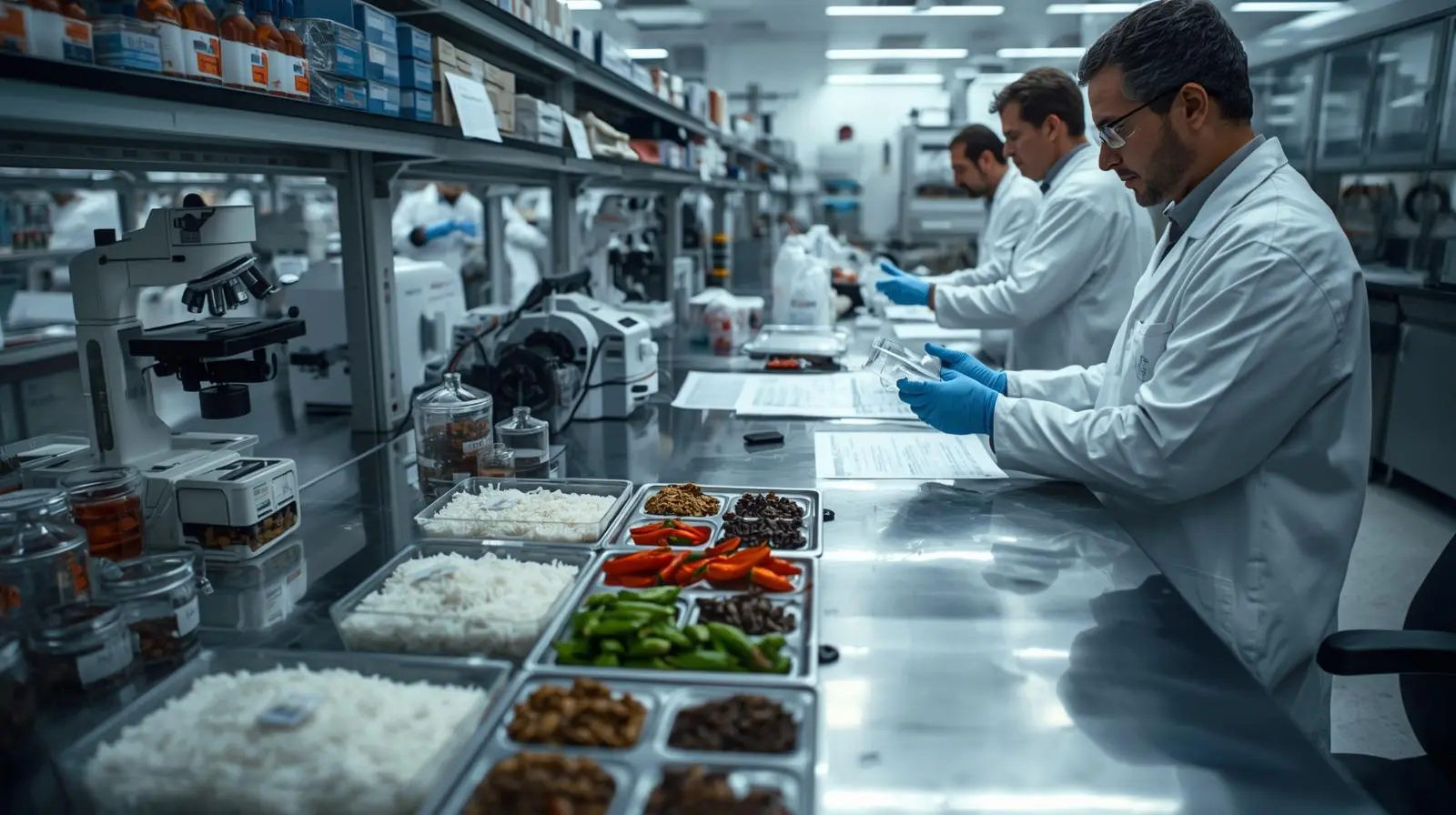
Accredited chemistry you can use to screen product and qualify suppliers before goods leave the origin country, so problems are found before FDA finds them.
Accredited Methods
Multi-residue pesticides by LC-MS/MS (AOAC 2007.01, modified); lead, cadmium, arsenic, and mercury by ICP-MS (AOAC 2015.01); nitrofurans and triphenylmethane dyes by LC-MS/MS (FDA LIB methods); synthetic food dyes by HPLC. Elevated metals drive a large share of alerts on spices and dried ingredients see heavy metals in baby food and spices.
Important
These methods are not on our FDA LAAF scope. Results support pre-shipment screening and FSVP supplier verification but cannot be submitted to release a shipment from DWPE.
Imports We Test
Commodities often held for microbiological violations at US ports.




How Import Detention Testing Works
A clear scope check first, then accredited analysis and direct submission.

- 1. Scope Check
Send us your Notice of FDA Action. We confirm the import alert and the required analysis, and tell you upfront whether it is on our LAAF scope.
- 2. Sample Collection
AGT Labs does not collect samples. A qualified sampler, arranged through your broker or a sampling firm, collects the samples per FDA requirements and delivers them to our lab.
- 3. LAAF-Accredited Analysis
Samples are analyzed at our Houston or Harlingen laboratory under the LAAF-accredited method for the organism required.
- 4. Direct FDA Submission
As the LAAF program requires, we submit the analytical results directly to FDA and send you a copy for your records.
Why Importers Choose AGT Food Labs
Accredited results and a straight answer on what we can and cannot test.
Two LAAF-Accredited Labs
Houston (Cert L26-535) and Harlingen (Cert L26-518), both accredited by PJLA to ISO/IEC 17025:2017 and the FDA LAAF program.
Honest Scope Check
If your alert needs a test outside our LAAF scope, we tell you before you pay for sampling or shipping.
Close to Texas Ports
Labs in Houston and the Rio Grande Valley serve importers entering through Texas and across the US.
FDA Import Detention Testing FAQs
What is FDA LAAF and when is it required?
Which of your tests are LAAF-accredited?
Can you test pesticides or heavy metals to release a detained shipment?
Do you collect the samples at the port or warehouse?
How do I get my product removed from an import alert?
How do I get started?
Shipment Detained?
Send us your Notice of FDA Action and we will confirm within one business day whether the required test is on our LAAF scope.
Contact Our Team