
Microbiological Food Testing
AGT Labs is an accredited microbiological food testing lab for food and beverage manufacturers. Specifically, our microbiological food testing services cover rapid pathogen detection, environmental monitoring, hygiene indicators, and shelf-life studies. As a result, you can confidently protect both your brand and your consumers.
What Is Microbiological Food Testing?
Microbiological food testing is the laboratory analysis of food, beverages, water, and environmental samples for microorganisms. Specifically, it screens for both dangerous pathogens and the indicator organisms that signal spoilage. As a result, manufacturers gain the evidence they need to release products with confidence.
Why Microbiological Food Testing Matters
In an industry where a single recall can devastate a reputation, certainty is your most valuable asset. Therefore, at AGT Labs we don't just run tests; instead, we provide a comprehensive shield against risk. For example, we detect foodborne pathogens such as Listeria monocytogenes, E. coli O157:H7, and Salmonella. In addition, we perform routine hygiene-indicator monitoring. Ultimately, our facility transforms raw samples into actionable intelligence for HACCP and FSMA compliance.
Our Microbiological Food Testing Scope
Laboratory Capabilities Summary: Headquartered in Houston, TX, AGT Labs is a microbiological food testing lab serving US manufacturers, distributors, and importers. Moreover, our scope covers rapid pathogen screening (Salmonella, Listeria, STEC, E. coli O157:H7, Cronobacter, Campylobacter), hygiene indicators (APC, Coliform, E. coli, Yeast & Mold, Lactic Acid Bacteria, Enterobacteriaceae), aflatoxin screening, pet food testing, water testing (Heterotrophic Plate Count, membrane filtration), environmental swabs, and shelf-life stability studies.
How to Submit Samples for Microbiological Food Testing
A streamlined workflow designed to deliver rapid and accurate results for time-critical product release. First, you request a quote; next, you ship your samples; then we analyze them; finally, you receive your report.
-
Request
First, submit your testing request online or contact our team for a custom quote. -
Shipping
Next, send your samples (100g min) to our Houston lab using our secure Chain of Custody form. -
Analyze
Then, our microbiologists analyze your sample using validated AOAC, FDA BAM, USDA-FSIS, and USP methods. -
Report
Finally, receive your official Certificate of Analysis (CoA) via email — rapid pathogen negatives in 24-48 hours; standard results within 5-7 business days.
Our Microbiological Food Testing Capabilities
In short, we offer a complete suite of microbiological testing — namely rapid pathogen detection, indicator organism testing, environmental monitoring, and shelf-life stability studies for national food safety.

Food Hygiene & Quality Indicators
As a foundation of routine microbiological food testing, indicator organism analysis verifies sanitation effectiveness and process control across your facility. Specifically, we measure Aerobic Plate Count, Yeast & Mold, Coliform, generic E. coli, Lactic Acid Bacteria, and Enterobacteriaceae. As a result, we can predict shelf-life and prevent spoilage at the source.
- Aerobic Plate Count (AOAC 990.12, Petrifilm)
- Coliform & Generic E. coli (AOAC 991.14)
- Yeast & Mold (AOAC 997.02 / 2014.05)
- Lactic Acid Bacteria (AOAC PTM 041701)
- Enterobacteriaceae (AOAC 2003.01)
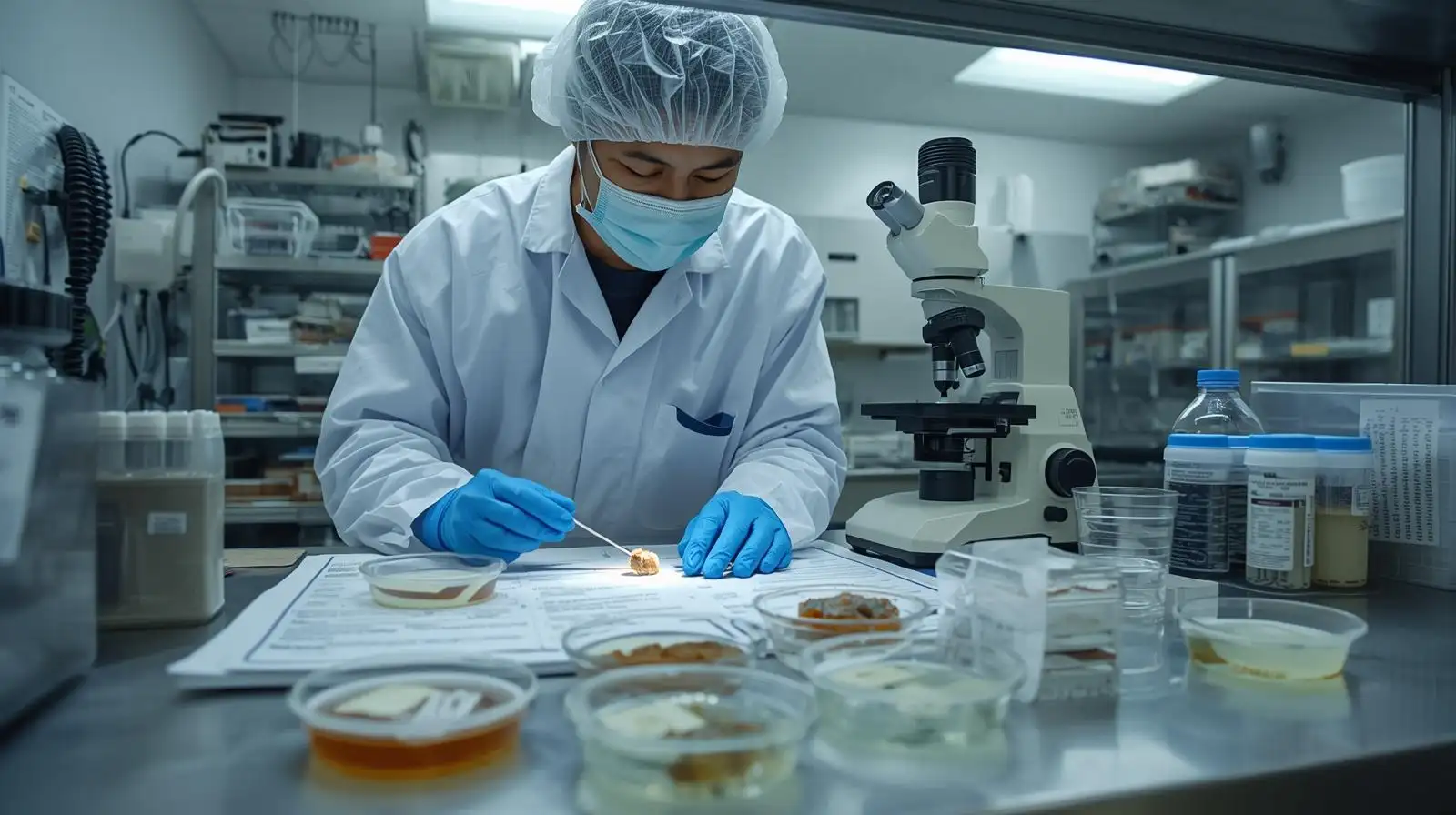
Foodborne Pathogen Detection
Targeted analysis for hazardous bacteria that pose severe health risks. Specifically, we perform rapid pathogen detection for STEC, E. coli O157:H7, Staphylococcus aureus, Bacillus cereus, Cronobacter, Clostridium spp., and Campylobacter. Moreover, we use PCR, the 3M Molecular Detection Assay (MDA), and culture-confirmation methods for defensible results.
- STEC & E. coli O157:H7 (AOAC PTM 020801 / 121203, AOAC 2017.01)
- Staphylococcus aureus (AOAC 2003.07/08/11)
- Bacillus cereus (FDA BAM Ch. 14)
- Clostridium spp. (FDA BAM Ch. 16)
- Cronobacter (FDA BAM Ch. 29)
- Campylobacter (AOAC PTM 031209, AOAC 111803)
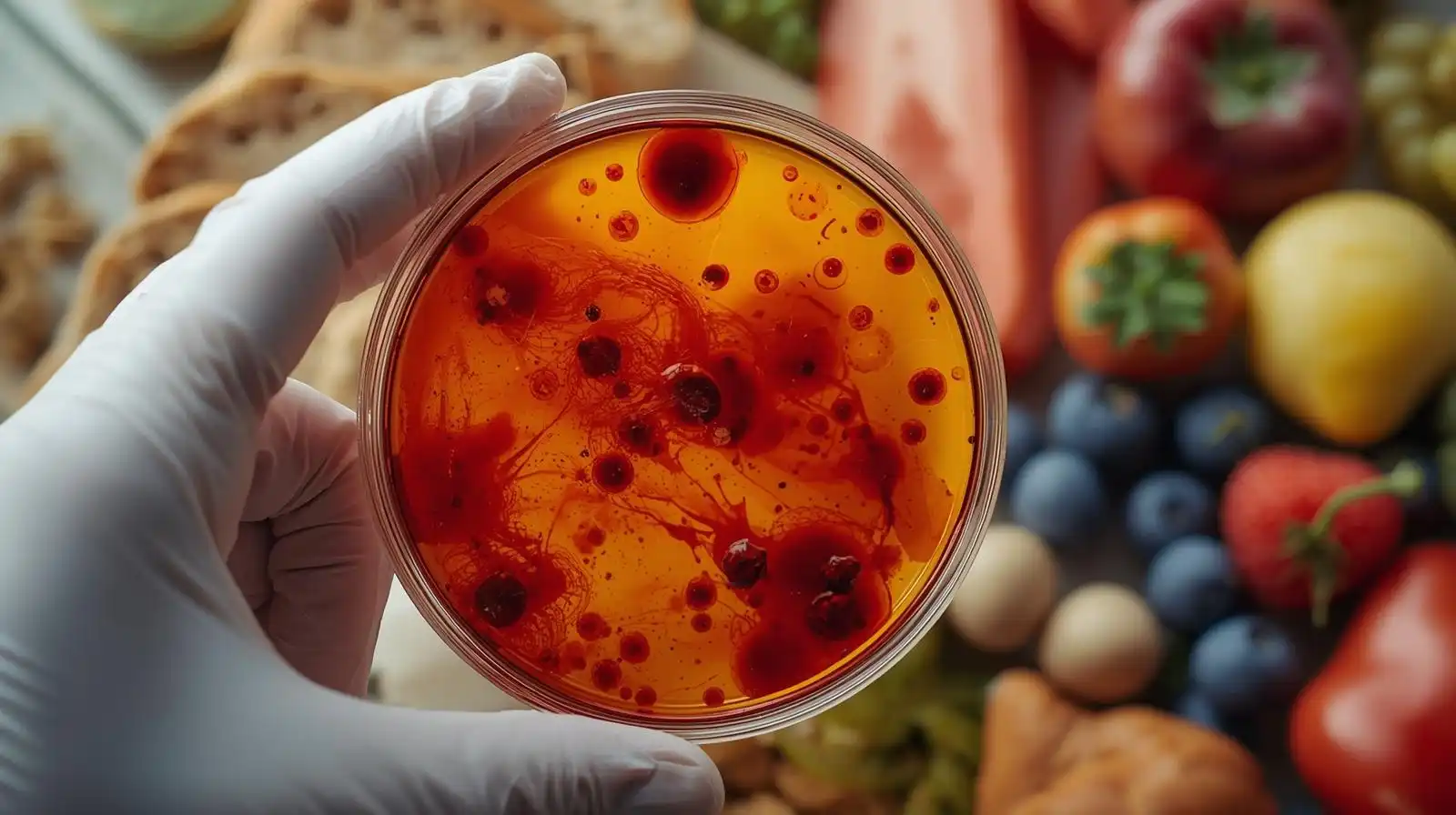
Listeria Environmental Monitoring
Comprehensive screening for Listeria spp. in environmental swabs and finished products; in particular, this is critical for Ready-to-Eat (RTE) foods and cold-chain safety. Therefore, we use PCR (AOAC PTM 010802), 3M MDA (AOAC 2016.07/08), and GENE-UP Listeria 2 (AOAC 2019.10/11) to find harborage sites before they contaminate products.
- Listeria spp. environmental swabs (lateral flow with cultural confirmation)
- Listeria monocytogenes by PCR & 3M MDA
- GENE-UP Listeria 2 rapid molecular method
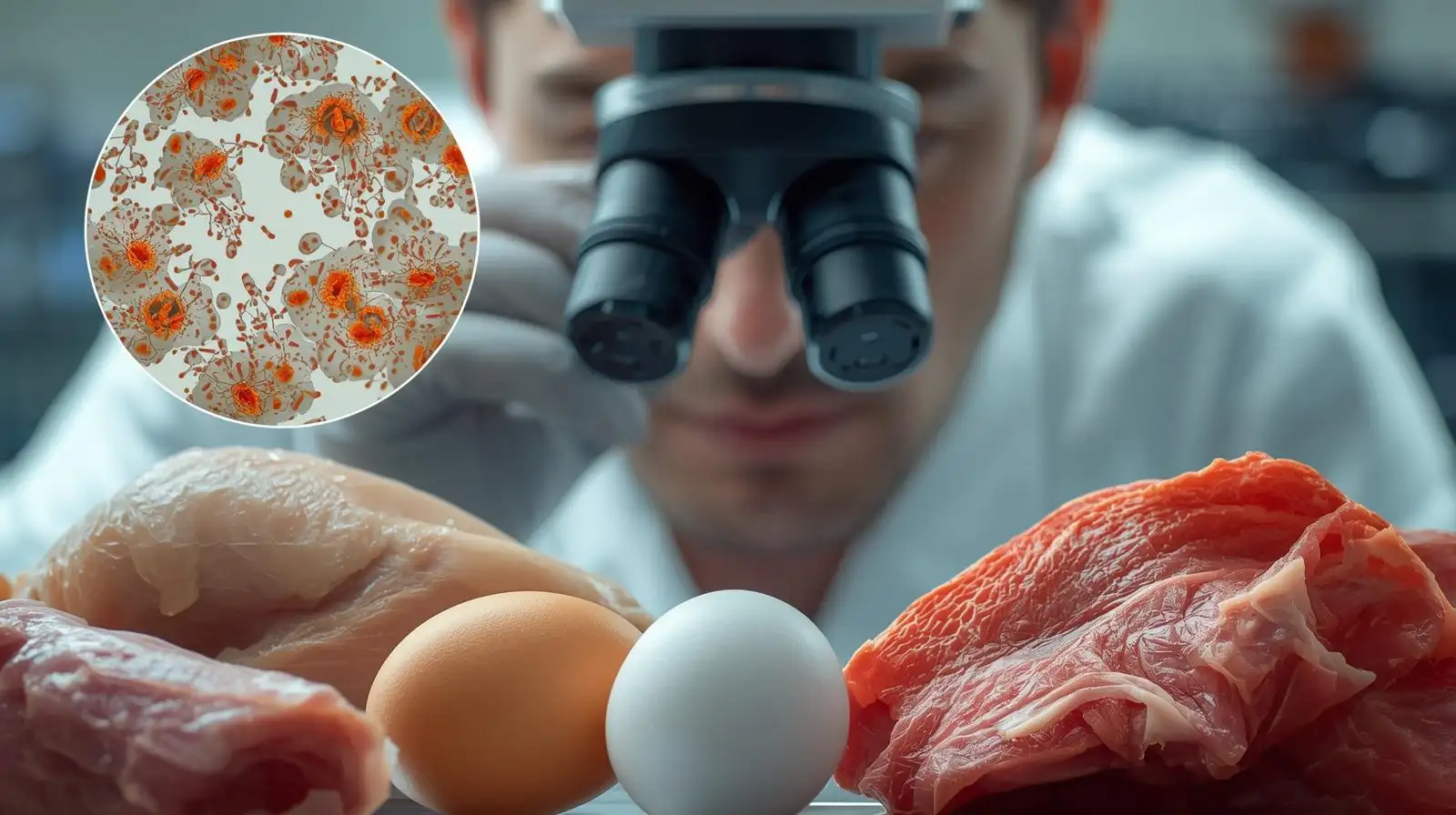
Salmonella Detection (Zero Tolerance)
Rapid detection of this zero-tolerance foodborne pathogen using validated molecular methods; in particular, this is essential for low-moisture foods, poultry, fresh produce, and pet food. As a result, presumptive negatives in 24-48 hours speed up product release without compromising defensibility.
- Salmonella spp. by PCR (AOAC PTM 010803)
- 3M MDA Salmonella (AOAC 2016.01)
- GENE-UP Salmonella 2 (AOAC 2020.02)
- FDA BAM cultural confirmation
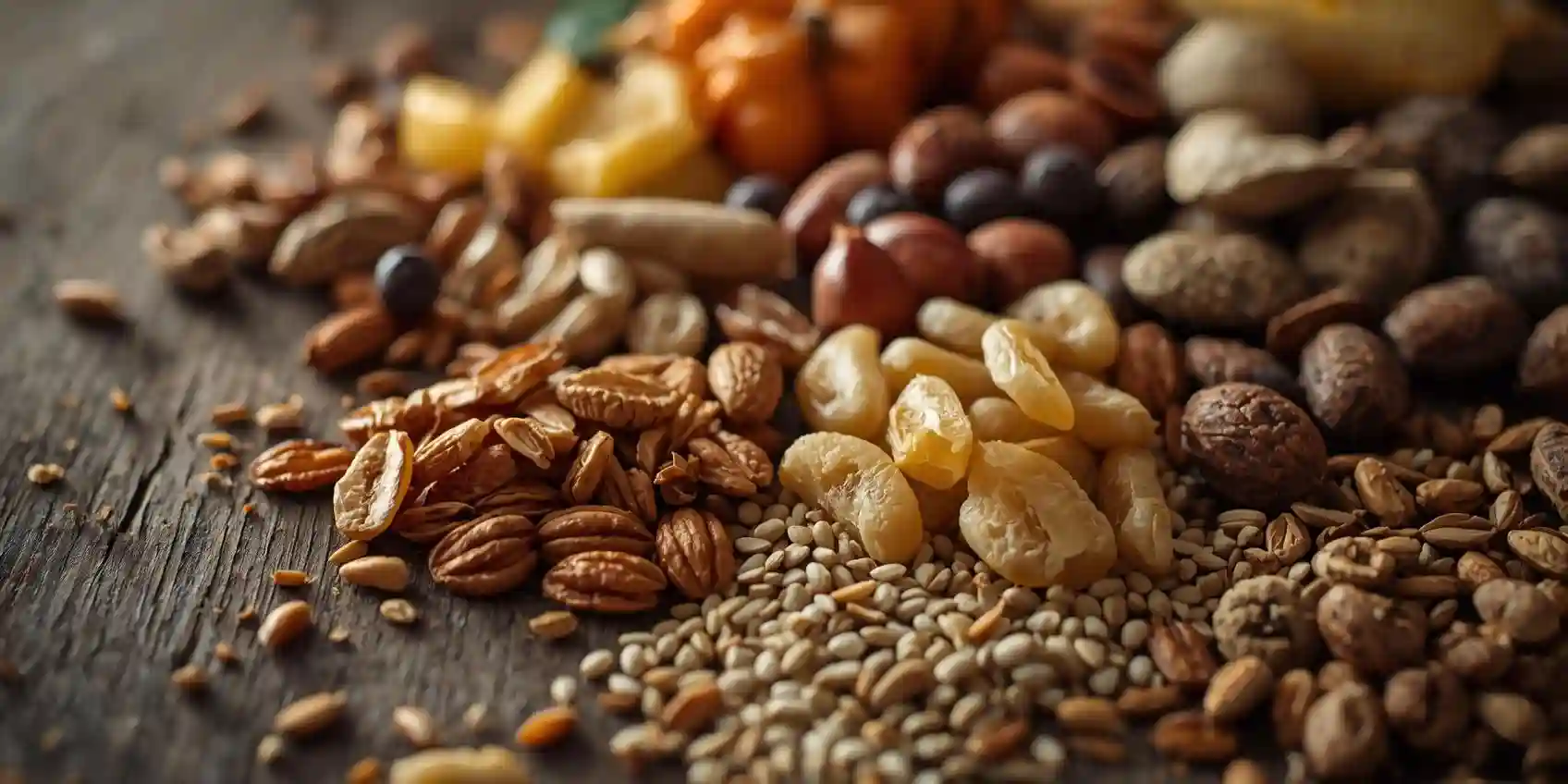
Aflatoxin Screening
Aflatoxins are potent carcinogens produced by Aspergillus molds; consequently, they are a major risk in grains, nuts, spices, dried fruit, and dairy. Therefore, our ISO/IEC 17025-accredited method screens total aflatoxin by ELISA (SOP 097), so you can support FDA action levels and international export limits.
- Total Aflatoxin (B1, B2, G1, G2)
- ELISA technique (SOP 097)
- Grains, Nuts, Spices, Dried Fruit & Dairy
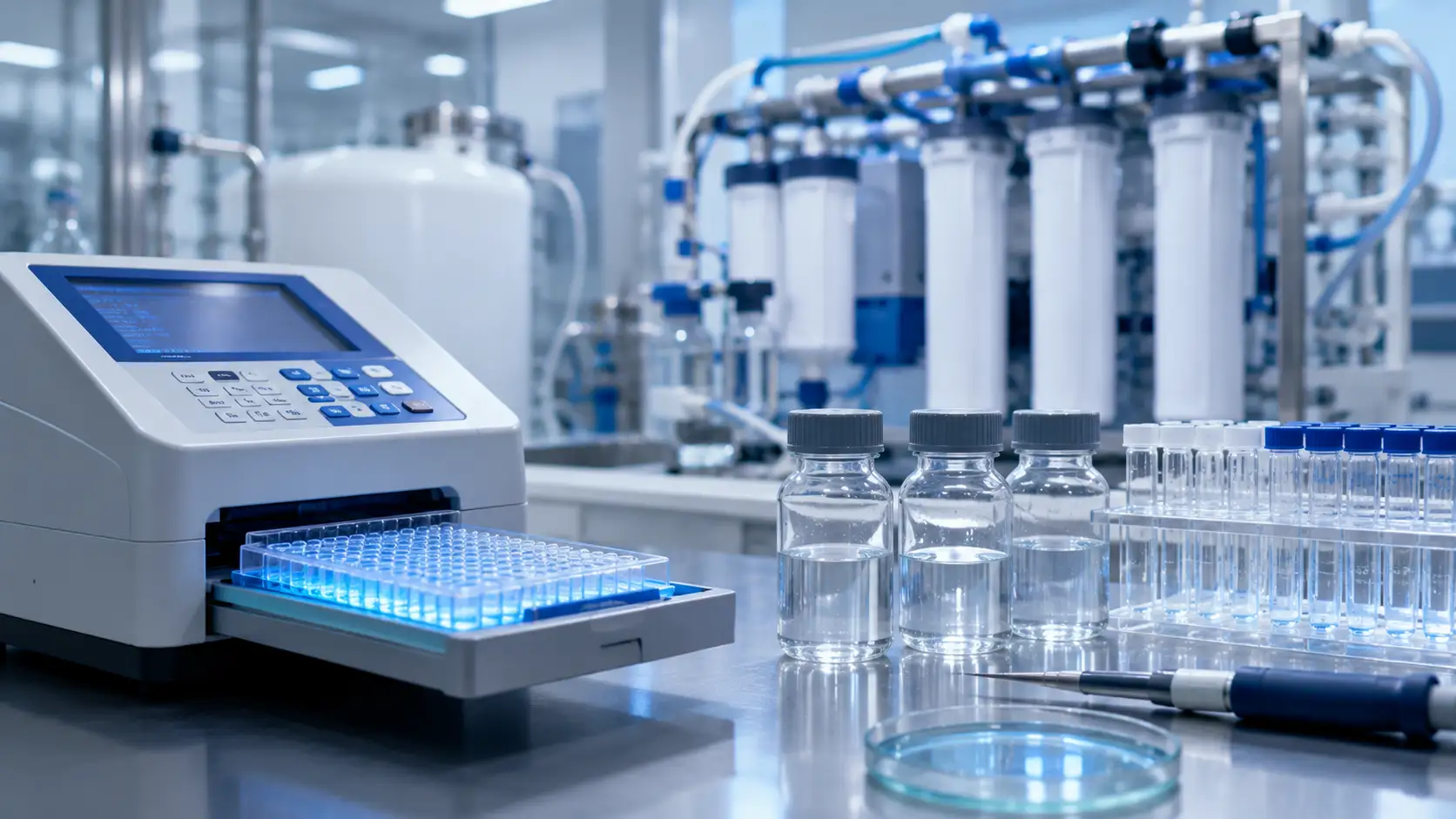
Bacterial Endotoxin Testing (USP <86>)
Endotoxins are heat-stable lipopolysaccharides shed by Gram-negative bacteria; consequently, they survive sterilization even after the cells themselves are destroyed. Therefore, our quantitative Bacterial Endotoxin analysis to USP Chapter 86 verifies that process water, Purified Water, and Water for Injection (WFI) meet release limits. In addition, we perform USP <61> microbial enumeration and USP <62> / <60> specified-organism screening for pharmaceutical, cosmetic, and dietary supplement matrices.
- Bacterial Endotoxin, quantitative (USP Chapter 86)
- Total Aerobic Microbial Count & Yeast/Mold Count (USP <61>, SOP 059)
- Objectionable Organisms (USP <62> / <60>, SOP 060)
- Water Systems, Pharmaceutical, Cosmetics & Supplements
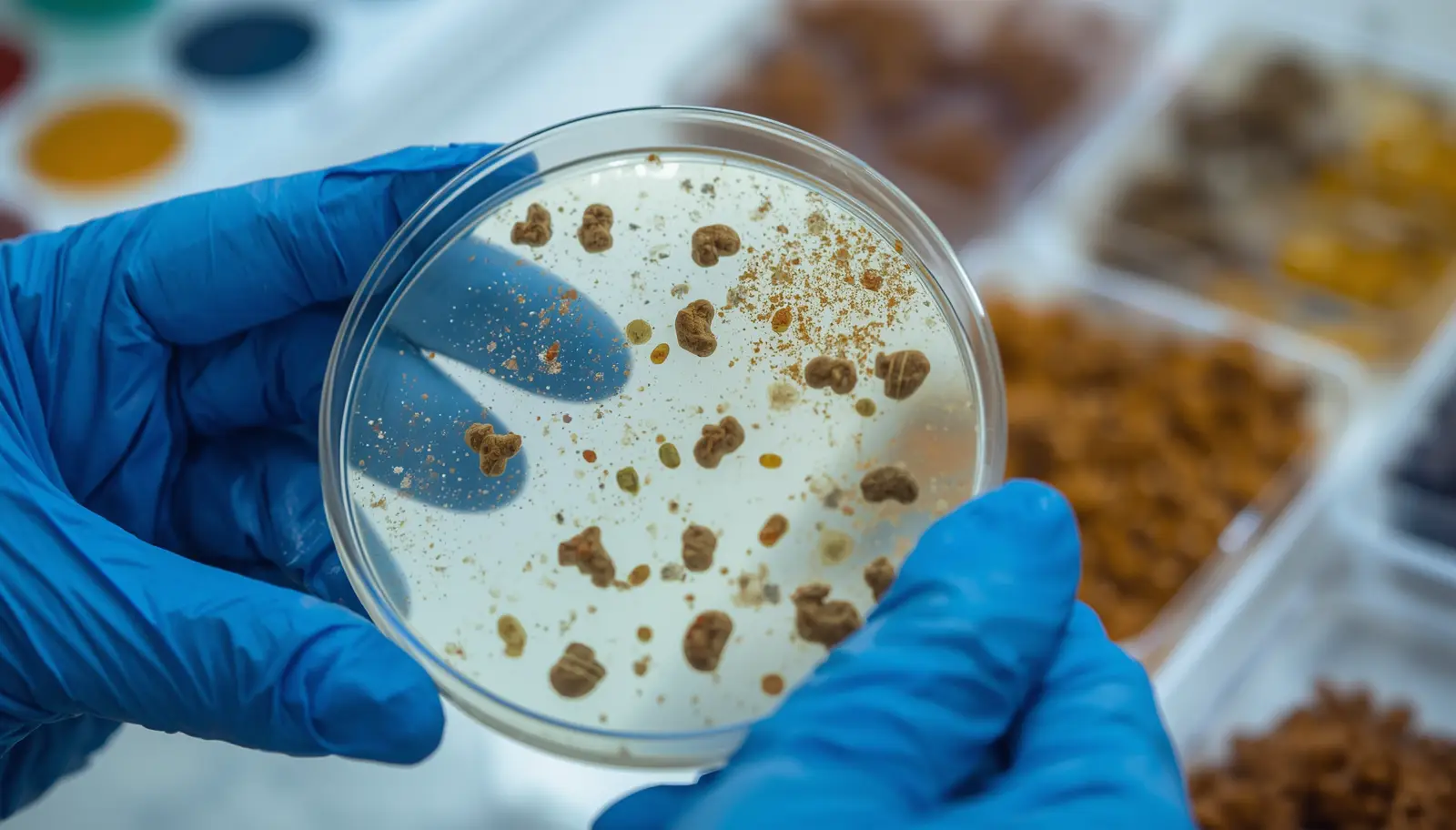
Pet Food & Animal Feed Testing
Accredited microbiological safety analysis for pet food, treats, and raw diets; in other words, pathogen screening, hygiene indicators, and stability parameters that protect animal health and brand reputation. In fact, we run pet food with the same rigor as human food, using validated AOAC and AOAC-PTM methods.
- Salmonella, Listeria & L. monocytogenes (PCR)
- E. coli O157:H7 & STEC (PCR)
- APC, Yeast & Mold, Enterobacteriaceae, Lactic Acid Bacteria (Petrifilm)
- pH (AOAC 981.12) & Water Activity (AOAC 978.18)

Shelf Life Testing & Stability Studies
Scientifically determine your product's expiration date with Accelerated Aging (ASLT) and Real-Time stability studies; moreover, these are supported by accredited microbiological food testing panels at every time-point. Throughout the study period, we monitor microbial growth, water activity (AOAC 978.18), pH (AOAC 981.12), rancidity, and sensory changes.
- Accelerated Aging (ASLT) protocols
- Real-Time Stability Studies
- APC, Yeast & Mold, Lactic Acid Bacteria panels
- Water Activity & pH monitoring
- Rancidity (PV / FFA) & Spoilage Analysis
Industries We Serve
Furthermore, we support a wide range of industries with precise pathogen detection, hygiene monitoring, and spoilage analysis.

Bakery

Dairy

Meat & Poultry

Produce
Water

Environment
Why Choose AGT Labs for Microbiological Food Testing?
Above all, partner with us for regulatory confidence, expert support, and unparalleled service across every microbiological food testing program.
Advanced Technologies
State-of-the-art PCR (Polymerase Chain Reaction), 3M Molecular Detection Assay, GENE-UP, Petrifilm, MPN, Compact Dry, and selective chromogenic media for fast, defensible results.
Fast Turnaround
Industry-leading speed — 24-48 hours for rapid pathogen negatives to support production schedules and reduce inventory holds.
Validated Methods
AOAC Official Methods, FDA BAM (Bacteriological Analytical Manual), USDA-FSIS, and USP protocols for reliable, regulator-ready results.
Comprehensive Scope
Complete pathogen, indicator organism, and water testing for food products, environmental swabs, beverages, and pet food.
Expert Support
Highly trained microbiologists provide result interpretation, HACCP guidance, and Environmental Monitoring Program (EMP) design.
Exceptional Service
Clear communication, dedicated client managers, and rapid root-cause support when a positive result needs immediate attention.
Flexible Plans
Customized testing plans built around your risk assessments and Environmental Monitoring Programs (EMP) Zone 1 through Zone 4.
Nationwide Reach
Serving food and beverage producers across the United States from our Houston, TX laboratory and Harlingen service center.
Routine & Reactive
From standing weekly programs to rush incident-response sampling, we scale up and down with your operational needs.
Common Questions About Microbiological Food Testing
What is microbiological food testing?
How much does microbiological food testing cost?
How long does microbiological food testing take?
Do you use PCR or culture methods for pathogen detection?
Do you test pet food and animal feed?
Do you offer bacterial endotoxin (LAL) testing?
Need a Reliable Microbiological Food Testing Lab?
Ultimately, ensure your products are safe and compliant with our testing programs — namely rapid pathogen detection, hygiene monitoring, and shelf-life studies.
Get A Free Quote