
Listeria Testing
& Detection
Identify low-level contamination in cool, damp processing environments and finished products. AGT covers both environmental swabs and finished-product pathogen screening using validated PCR detection.
Zero Tolerance for Listeria
Listeria monocytogenes is a robust environmental organism that thrives in cool, damp conditions common in food processing facilities. Because of its severity, the US FDA and USDA maintain a "Zero Tolerance" policy in Ready-to-Eat (RTE) foods. Listeria is a critical foodborne pathogen, and AGT delivers Listeria detection using validated PCR methods to find low-level contamination before products reach the consumer.
Listeria Testing & Detection Protocols
Rigorous environmental monitoring and finished product safety analysis, combining rapid molecular screening with cultural confirmation under FDA LAAF and ISO/IEC 17025:2017 quality systems.
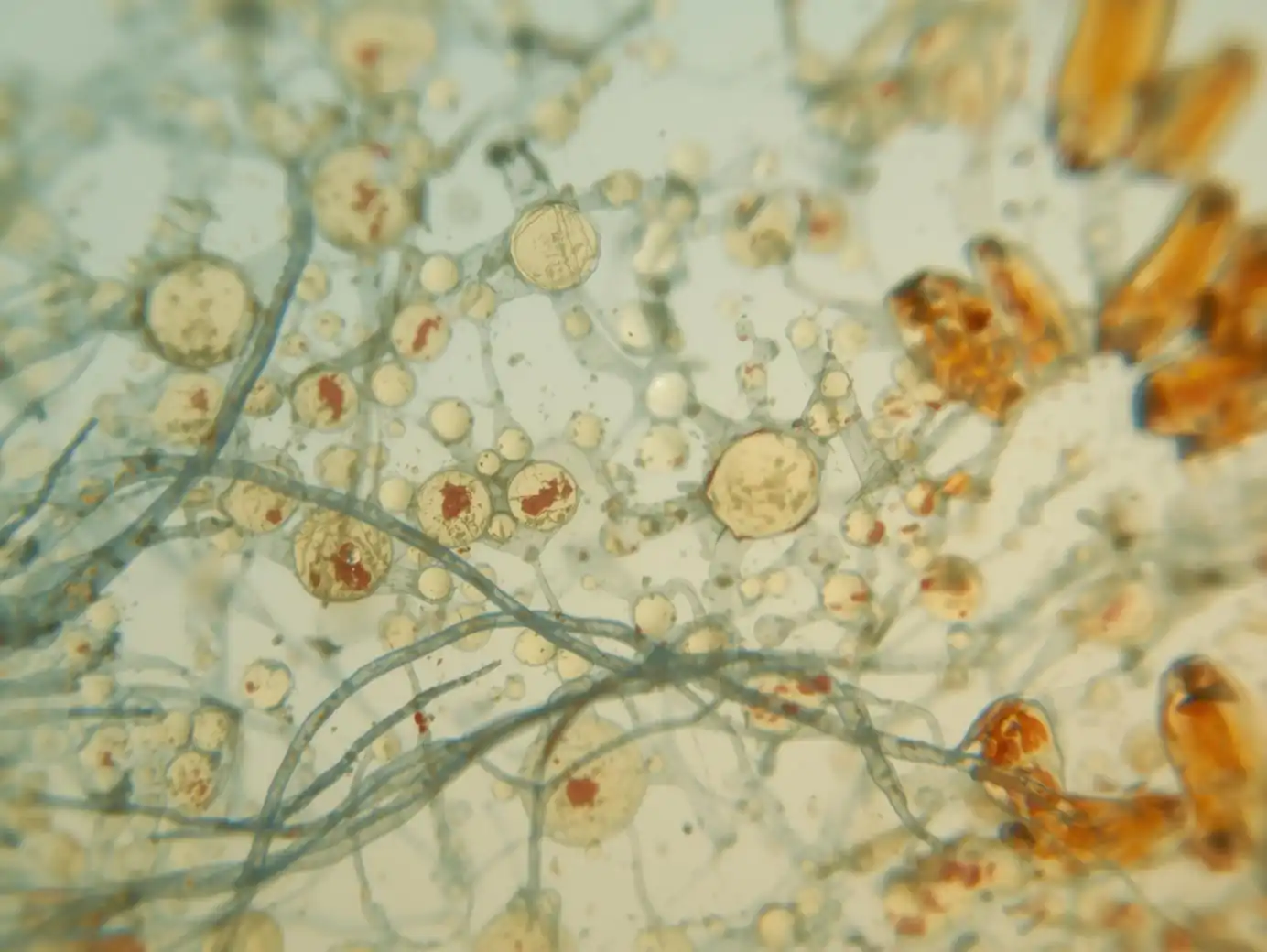
Listeria spp. Environmental Screening
Genus-level Listeria spp. screening is the primary tool for any Environmental Monitoring Program (EMP). It detects the presence of any Listeria species — serving as a broad indicator of conditions that could support pathogenic growth. Our screening programs identify potential harborage sites in drains, floor cracks, and behind equipment.
- Real-Time PCR (Genus Listeria)
- Lateral Flow Confirmation
Sample Size: 1 environmental swab or 25g | LOD: Negative per sample | Shipping: Refrigerated (2–8°C)
Industry Application:Used extensively for sponge swabs of Zone 2 and Zone 3 non-food contact surfaces to validate sanitation and hygiene effectiveness.

L. monocytogenes Pathogen Confirmation
Listeria monocytogenes is the specific species pathogenic to humans. Species-specific PCR detection separates this harmful organism from other non-pathogenic Listeria species. Presumptive positives are confirmed by cultural methods (ALOA chromogenic agar) to eliminate false positives in the detection process.
- Real-Time PCR (L. monocytogenes)
- ALOA Cultural Confirmation
Sample Size: 25–125g or 1 environmental swab | LOD: Negative per sample | Shipping: Refrigerated (2–8°C)
Industry Application:Mandatory analysis for Ready-to-Eat (RTE) deli meats, soft cheeses, smoked fish, and fresh-cut produce.
Industries We Serve
Targeted Listeria control for high-risk RTE sectors.

Soft Cheese & Dairy

RTE Meats

Fresh-Cut Produce
Why Choose AGT Food Labs?
Technical rigor, rapid turnaround, and direct expert support across every Listeria testing project.
ISO/IEC 17025:2017 quality systems and FDA LAAF recognition. Defensible microbiological data for FSMA audits.
Advanced molecular detection delivers confirmed negatives in 24–48 hours — faster than traditional culture-only protocols.
Direct access to technical managers for result interpretation, EMP design, and root-cause analysis.
Common Questions About Listeria Testing
What is the difference between Listeria spp. and Listeria monocytogenes?
Why is environmental swabbing for Listeria important?
What foods are at highest risk for Listeria contamination?
How long does Listeria testing take?
What happens if a sample tests positive for Listeria?
Prevent Listeria Contamination
Verify your products and facility are pathogen-free with our accredited Listeria testing program.
Request a Listeria Quote