
Microbiological Food
Hygiene Testing
From Aerobic Plate Count to E. coli, our microbiological food hygiene testing transforms raw samples into actionable hygiene-monitoring intelligence using ISO/IEC 17025:2017 accredited, FDA LAAF-recognized, AOAC-validated methods.
Our Mission: Reliable Microbiological Food Hygiene Testing
In an industry where a single recall can devastate a reputation, certainty is your most valuable asset. That is why AGT Food Labs delivers microbiological food hygiene testing accredited to ISO/IEC 17025:2017 by PJLA and recognized under the FDA LAAF program, using AOAC-validated indicator-organism enumeration. In practice, from routine sanitation monitoring (APC) to fecal-indicator screening (E. coli) and spoilage-organism profiling (Yeast & Mold, Lactic Acid Bacteria), our facility produces the data that anchors your FSMA Food Safety Plan.
Scope note: Notably, these microbiological indicator tests are accredited to ISO/IEC 17025:2017 by PJLA at our Houston (Cert L26-535, Accreditation #117946) and Harlingen (Cert L26-518, Accreditation #126978) facilities, and are also recognized under the FDA LAAF program. Specifically, Aerobic Plate Count, Coliforms, E. coli, Enterobacteriaceae, Yeast & Mold, and Lactic Acid Bacteria are performed using AOAC-validated methods (Petrifilm™, Compact Dry) within the accredited scope, so your Certificate of Analysis carries both the PJLA ISO/IEC 17025:2017 accreditation and FDA LAAF recognition.
Microbiological Food Hygiene Testing Services
Indicator-organism enumeration for FSMA compliance and quality assurance APC, Coliforms, E. coli, Enterobacteriaceae, Yeast & Mold, and Lactic Acid Bacteria via ISO/IEC 17025:2017 accredited, FDA LAAF-recognized, AOAC-validated commercial methods.
| Indicator Organism | Accredited Method | LOD | What It Indicates |
|---|---|---|---|
| Aerobic Plate Count (APC) | AOAC 990.12 / 2015.13 (Petrifilm™) | < 10 CFU/g | Overall bacterial load, sanitation & freshness |
| Coliform Count | AOAC 991.14 (Petrifilm™) / FDA BAM Ch. 4 (MPN) | < 10 CFU/g | Post-process contamination & sanitation |
| Generic E. coli | AOAC 991.14 (Petrifilm™) / AOAC RI 110402 (Compact Dry) | < 10 CFU/g | Direct fecal-contamination signal |
| Enterobacteriaceae | AOAC 2003.01 (Petrifilm™) | < 10 CFU/g | Broad post-process hygiene & sanitation indicator |
| Yeast & Mold | AOAC 997.02 / 2014.05 (Petrifilm™) | < 10 CFU/g | Spoilage risk in dry, acidic & low-Aw foods |
| Lactic Acid Bacteria (LAB) | Modified AOAC 990.12 + MRS broth (Petrifilm™) | < 10 CFU/g | Anaerobic spoilage in vac-pack meats & dressings |
Aerobic Plate Count (APC)
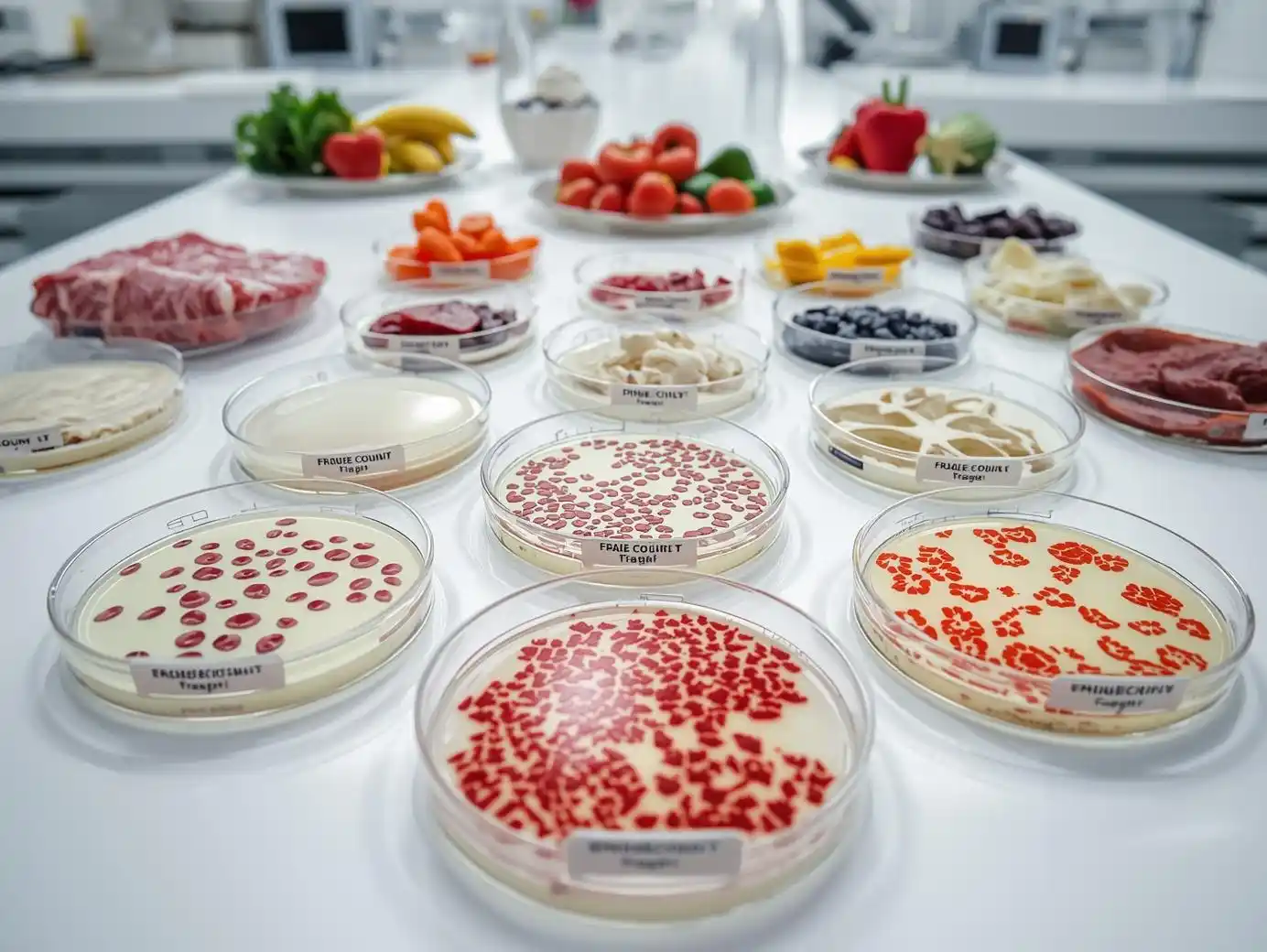
Generally, the Aerobic Plate Count enumerates mesophilic bacteria growing in aerobic conditions and serves as the primary gauge of total bacterial load in a sample. For example, elevated APC results commonly indicate temperature abuse upstream in the supply chain, or sanitation breakdowns on the production line.
- AOAC 990.12 (Petrifilm™)
- AOAC 2015.13 (Rapid)
Sample Size: 100g minimum | LOD: < 10 CFU/g | Shipping: Refrigerated (2–8°C)
Industry Application:For example, it is used universally across meat, dairy, produce, and prepared-foods sectors to set baseline quality specifications and predict remaining shelf-life.
Environmental Air Monitoring:Airborne Aerobic Plate Count by plate count (SOP 053) is accredited at our Houston laboratory — ideal for open processing, filling rooms, and cleanroom areas where settling bacteria threaten product hygiene.
Coliform Count
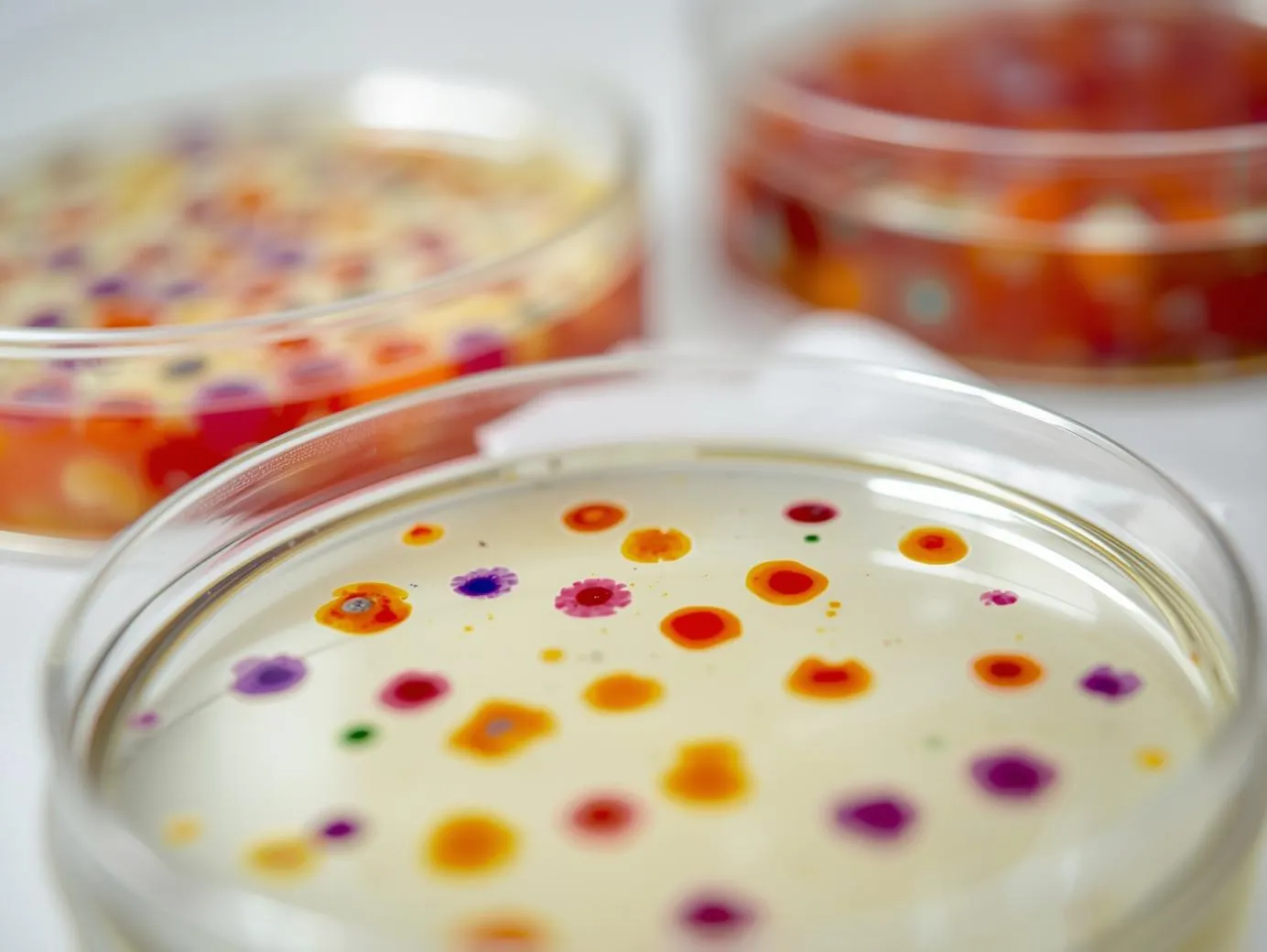
In general, coliforms are environmentally widespread bacteria that are easily destroyed by heat. As a result, their presence in a pasteurized product is a definitive sign of post-processing contamination, making coliform enumeration a cornerstone of microbiological food hygiene testing for dairy, beverages, and ready-to-eat foods.
- AOAC 991.14 (Petrifilm™)
- FDA BAM Ch. 4 (MPN)
Sample Size: 100g or 1 environmental swab | LOD: < 10 CFU/g | Shipping: Refrigerated
Industry Application:In particular, it is critical for dairy pasteurization verification, water quality monitoring, and sanitation effectiveness checks on food-contact surfaces.
E. coli (Generic)
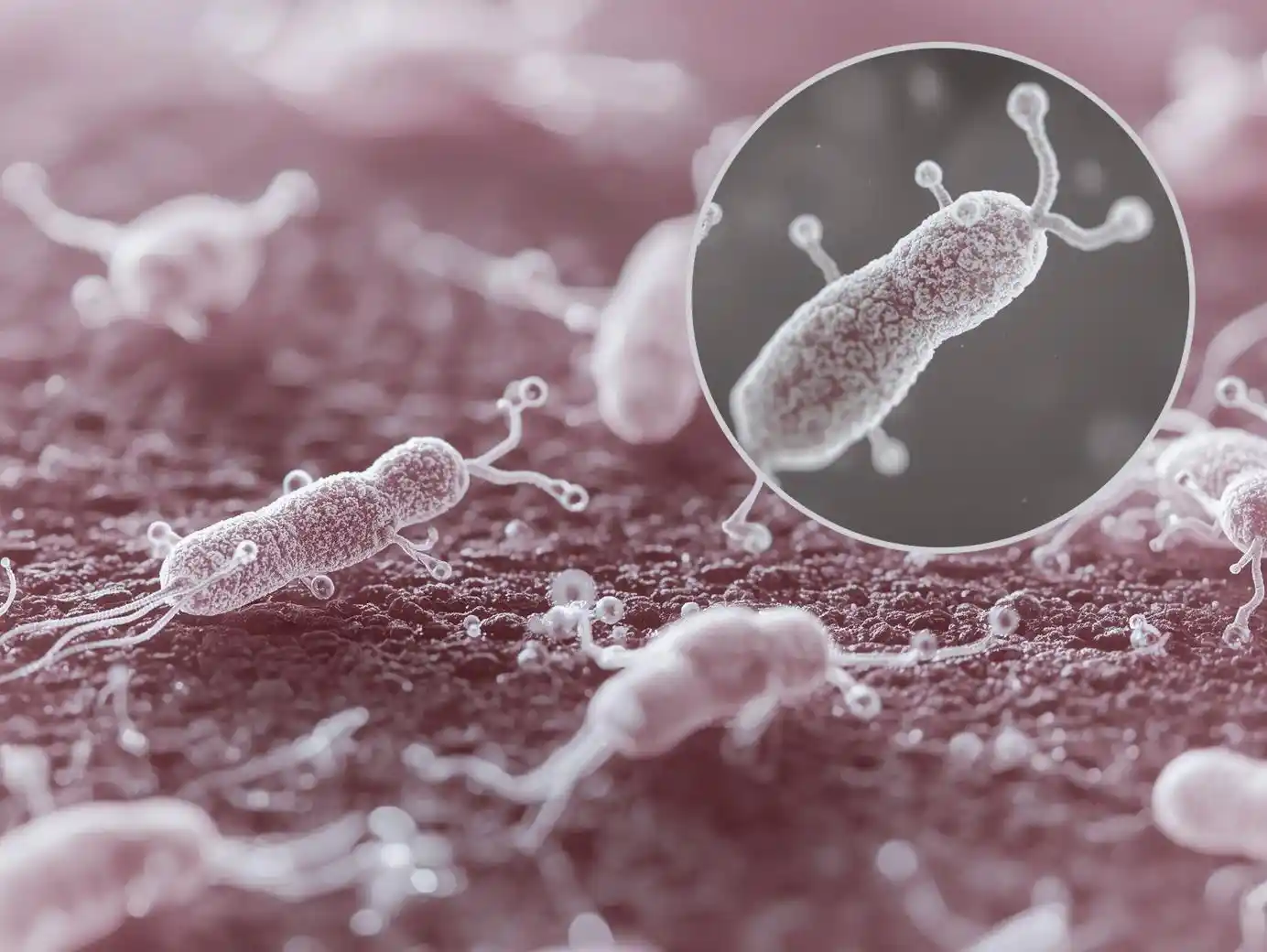
Notably, generic Escherichia coli is the subset of the coliform group that originates exclusively from the gut. Unlike total coliforms, E. coli enumeration provides a direct fecal-contamination signal; in particular, a positive result raises the probability that pathogens like Salmonella may also be present, and therefore triggers a deeper investigation.
- AOAC 991.14 (Petrifilm™)
- AOAC RI 110402 (Compact Dry)
Sample Size: 100g or 1 environmental swab | LOD: < 10 CFU/g | Shipping: Refrigerated
Industry Application:It is a primary safety indicator in fresh produce, raw meats, and irrigation water. In fact, it is often configured as a critical control point (CCP) in HACCP plans.
Enterobacteriaceae
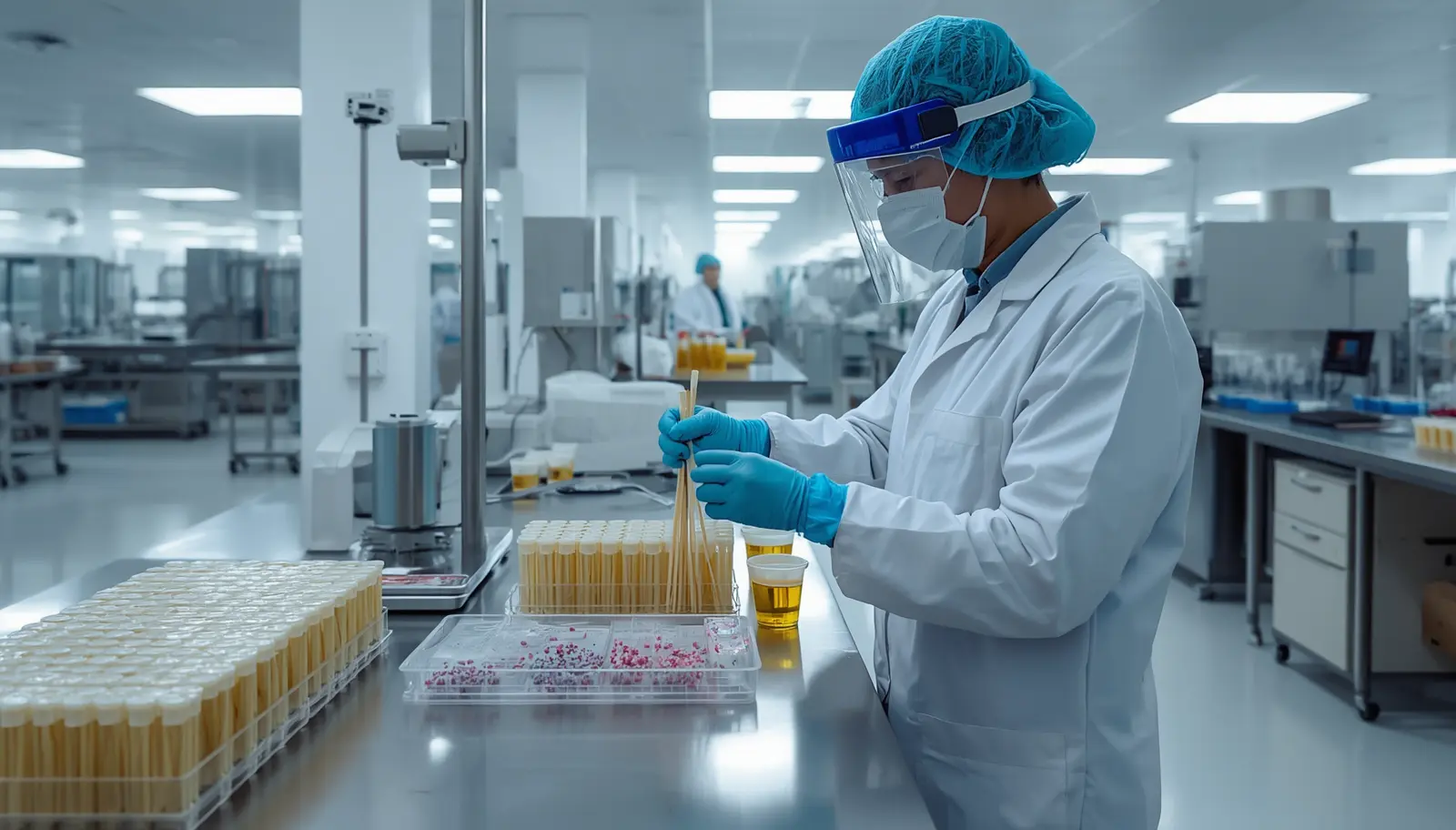
Increasingly, GFSI-benchmarked audits favour Enterobacteriaceae over classic coliforms because the family captures a broader range of post-process contamination and stress-injured cells. Consequently, Enterobacteriaceae enumeration is one of the most sensitive hygiene indicator organisms for verifying cleaning on food-contact surfaces and in low-moisture processing environments.
- AOAC 2003.01 (Petrifilm™)
Sample Size: 100g or 1 environmental swab/sponge | LOD: < 10 CFU/g | Shipping: Refrigerated (2–8°C)
Industry Application:It is ideal for dry and low-moisture processing (powders, cereals, chocolate), dairy, and ready-to-eat lines, and pairs naturally with zone-based environmental monitoring.
Yeast & Mold
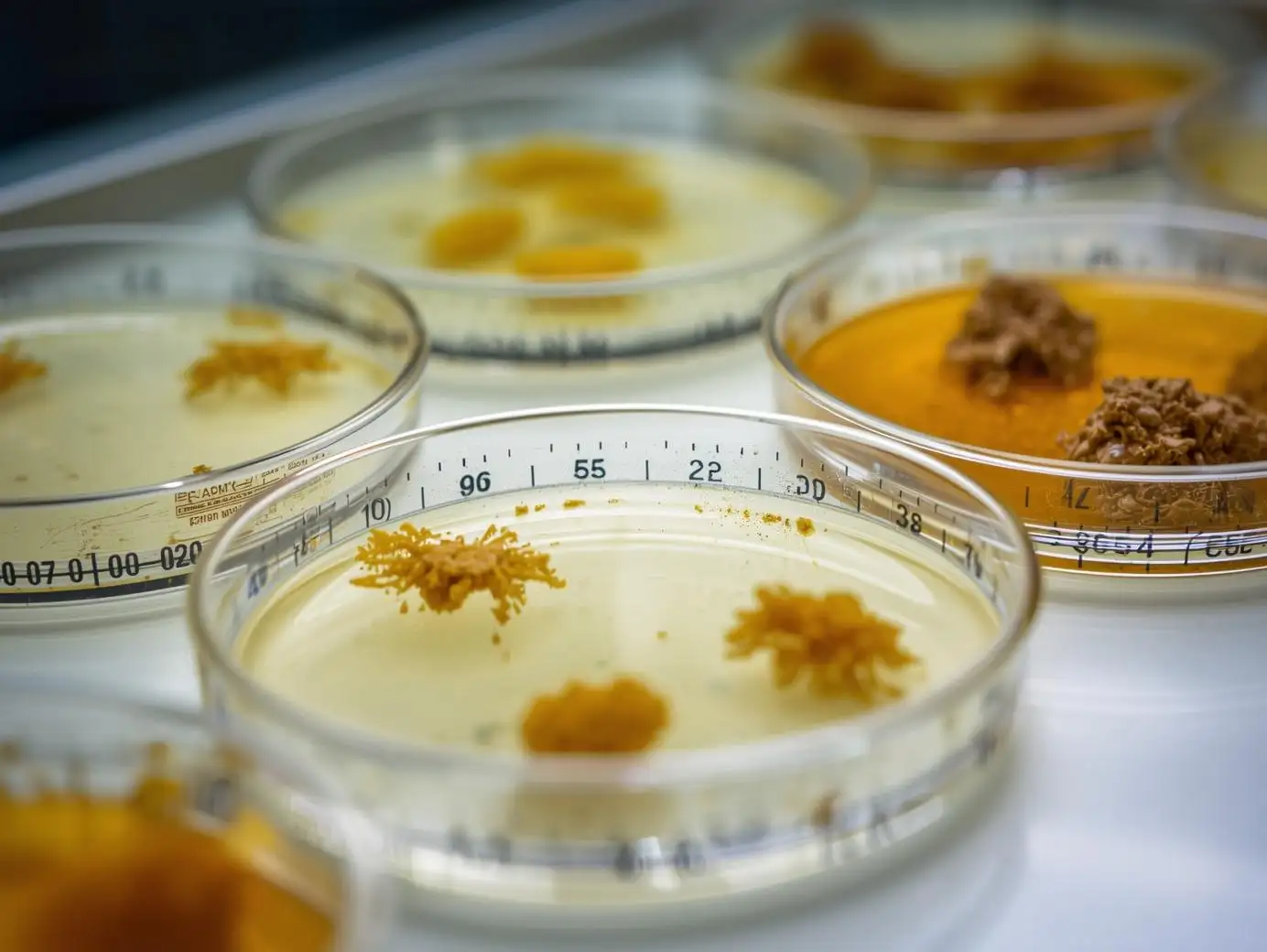
Fungi thrive in conditions where bacteria struggle — low water activity, low pH, high sugar. Therefore, our Yeast & Mold enumeration screens these spoilage organisms to protect product quality in dried, acidic, and reduced-Aw matrices, with rapid 48-hour AOAC-validated readouts.
- AOAC 997.02 (Petrifilm™)
- AOAC 2014.05 (Rapid)
Sample Size: 100g | LOD: < 10 CFU/g | Shipping: Ambient or Refrigerated (do not freeze)
Industry Application:It is essential for bakery shelf-life, dairy spoilage control (cheese, yogurt), dried fruit, and acidic sauces. In addition, pair it with a water-activity / pH study for full spoilage risk modeling.
Environmental Air Monitoring:Airborne yeast & mold by plate count (SOP 054) is accredited at our Houston laboratory — used to control fungal fallout in bakeries, dairies, and open-air processing where mould spores drive spoilage.
Lactic Acid Bacteria (LAB)
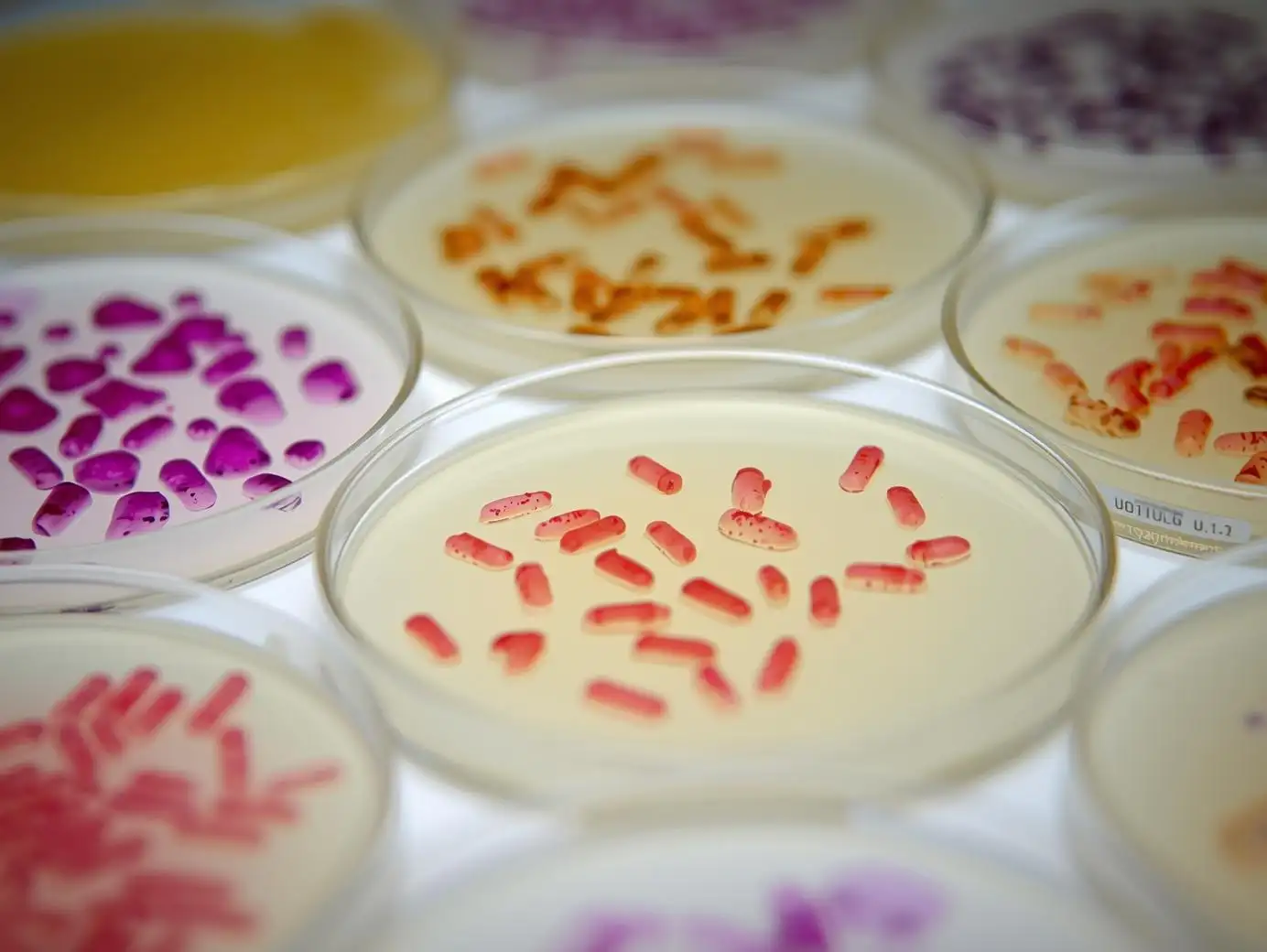
On one hand, Lactic Acid Bacteria can be beneficial (in fermented dairy and pickles); on the other hand, they can be destructive (in vacuum-packed meats and dressings). Accordingly, targeted LAB enumeration detects these facultative anaerobes that standard aerobic counts miss — a key piece of microbiological food hygiene testing for processed-meat, dressing, and acidified-product manufacturers.
- AOAC 990.12 (modified aerobic count)
- MRS Broth enrichment
Sample Size: 100g | LOD: < 10 CFU/g | Shipping: Refrigerated (2–8°C)
Industry Application:It is crucial for processed meats (hot dogs, deli slices), salad dressings, and shelf-stable acidified products. Likewise, pair it with pH and water activity data for full spoilage modeling.
Environmental Microbiological Monitoring & Environmental Sampling
Beyond finished-product analysis, our food hygiene testing lab runs full environmental microbiological monitoring the routine environmental sampling of surfaces, drains, sponges, water, and air that verifies your sanitation program is working before contamination ever reaches product. Consequently, an indicator-based Environmental Monitoring Program (EMP) becomes the early-warning layer of your food hygiene testing.

Direct food-contact surfaces such as conveyors, utensils, and filler heads are swabbed for hygiene indicator organisms to confirm cleaning between production runs.
Non-contact surfaces near product — equipment housings and framework — are sampled to catch harborage before it can migrate onto Zone 1.
Walls, floors, drains, and wheels. Environmental sampling here exposes sanitation gaps and traffic-borne contamination routes across the facility.
Warehouses, entryways, and locker rooms. Monitoring these outer zones protects the flow of people and materials into production.
| Sample Type | Matrix | Accredited Indicator Tests |
|---|---|---|
| Surface Swab | Food-contact & environmental surfaces | APC, Coliform/E. coli, Enterobacteriaceae, Yeast & Mold |
| Environmental Sponge | Large surfaces, floors, drains | APC, Coliform/E. coli, Enterobacteriaceae |
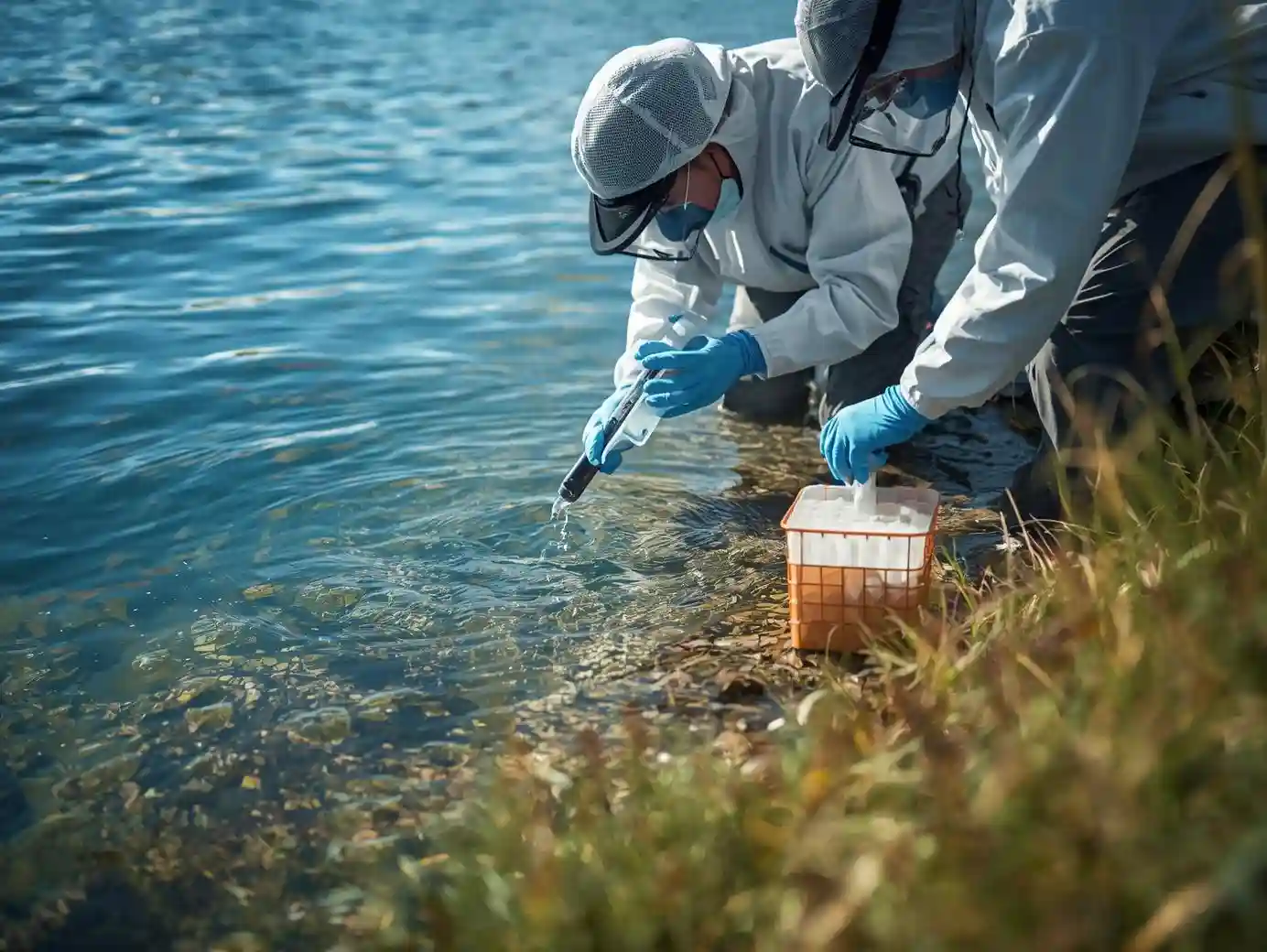
| Water | Process & potable water | APC, Total Coliform/E. coli |
| Environmental Air | Air monitoring in production areas | Aerobic Plate Count, Yeast & Mold |
Food Contact Surface Testing & Surface Swab Microbiology
Surface swab microbiology is the front line of microbiological hygiene verification — the evidence that a visually clean line is also clean at the microbial level before product runs.

Food contact surface testing measures the hygiene indicator organisms left behind after cleaning and sanitizing. Specifically, an Aerobic Plate Count reveals overall sanitation efficacy, while Coliform, generic E. coli, and Enterobacteriaceae flag post-clean recontamination and inadequate wash steps. In addition, Yeast & Mold on surfaces signals fungal harborage in humid or low-temperature zones. Together, these accredited indicators turn a swab into objective sanitation effectiveness monitoring.
Because the same organisms are enumerated on product and on surfaces, results are directly comparable — so a spike on a Zone 1 swab can be traced to the exact clean-in-place step that needs correction. As a result, food manufacturers use surface and sponge results to validate SOPs, qualify new sanitation chemistry, and demonstrate due diligence during audits at our food hygiene testing lab.
- Aerobic Plate Count (APC)
- Coliform / E. coli
- Enterobacteriaceae
- Yeast & Mold
Sterile pre-moistened surface swabs & environmental sponges | typical 10 cm × 10 cm sampling zone | Refrigerated (2–8°C) transport on cold packs
Best Paired With:Zone-based environmental microbiological monitoring for a complete hygiene picture across your facility.
Industries Using Our Microbiological Food Hygiene Testing
In short, our microbiological food hygiene testing programs support US food and beverage manufacturers across every major vertical.

Bakery

Dairy

Meat & Poultry

Produce
Water

Environmental
Why Choose AGT Food Labs?
Microbiological food hygiene testing with technical rigor and the agility of a dedicated safety partner.
In addition to ISO/IEC 17025:2017 accreditation by PJLA (Houston #117946, Harlingen #126978), our methods are recognized under the FDA Laboratory Accreditation for Analyses of Foods (LAAF) program.
Specifically, we deliver 24-hour rapid turnaround for APC, Coliforms, and E. coli; meanwhile, Yeast & Mold runs 48–72 hours (incubation-bound).
Meanwhile, you get direct access to technical managers for result interpretation, root-cause work, and HACCP integration.
Microbiological Trend Analysis & Sanitation Effectiveness Monitoring
A single swab is a snapshot; a program is a story. Accordingly, we help you turn routine hygiene indicator results into microbiological trend analysis that proves sanitation effectiveness over time — the difference between passing today and controlling your environment for good.
First, we set indicator baselines (APC, Coliform/E. coli, Enterobacteriaceae, Yeast & Mold) for each zone and product line, giving every future result a defensible point of comparison.
Next, microbiological trend analysis surfaces drift and recurring hot spots long before they breach limits, so you act on direction — not just a single pass/fail number.
Finally, our technical team ties each trend to sanitation effectiveness monitoring and root-cause follow-up, closing the loop between data, cleaning, and verified control.
Common Questions About Microbiological Food Hygiene Testing
Is AGT's microbiological food hygiene testing PJLA-accredited?
Is this the same as industrial hygiene testing?
How much does microbiological food hygiene testing cost, and how fast are results?
How do I collect and ship an environmental swab for hygiene testing?
Do you test food contact surfaces?
Do you offer environmental air monitoring?
Ensure Production Safety with Microbiological Food Hygiene Testing
Validate your sanitation protocols with ISO/IEC 17025:2017 accredited, FDA LAAF-recognized indicator-organism testing.
Request a Hygiene Quote