
Food Quality Testing
AGT Labs is an accredited food quality testing lab that measures the analytical parameters governing product stability, freshness, and batch consistency. Our ISO/IEC 17025:2017 scope covers Water Activity, pH, Moisture, Peroxide Value, Free Fatty Acid, Titratable Acidity, Ash, and Salt the objective data manufacturers rely on to release every batch with confidence.
A Dedicated Food Quality Testing Laboratory
Food quality testing is the measurement of the physical and chemical attributes that determine whether a product looks, tastes, and performs the same way in every batch. Where food safety testing asks "is this product safe to eat," food quality analysis asks "is this product consistent, stable, and true to specification." Both matter but they answer different questions, and they call for different laboratory disciplines.
As a specialist quality laboratory, AGT Labs concentrates on the accredited, quantitative parameters that drive shelf stability and sensory consistency: Water Activity, pH, Moisture, Peroxide Value, Free Fatty Acid, Titratable Acidity, Ash, and Salt. Every result is produced under our ISO/IEC 17025:2017 scope using AOAC, AOCS, and USDA-FSIS reference methods, so the data stands up to retailer audits, supplier disputes, and regulatory review. Manufacturers rely on this data to verify incoming ingredients, control production, and confirm finished goods before release.
What Food Quality Testing Answers
Objective data behind consistent, stable products.
Is It Stable?
Water Activity, Moisture, and pH define whether a product resists spoilage and holds its texture across its intended shelf life.
Is It Fresh?
Peroxide Value and Free Fatty Acid quantify oxidative and hydrolytic rancidity in fats and oils before off-flavors ever reach the consumer.
Is It On-Spec?
Titratable Acidity, Ash, and Salt confirm composition and flavor balance match your defined product specification, batch after batch.
Core Food Quality Parameters We Measure
Each parameter below is an accredited analytical test on our ISO/IEC 17025:2017 scope. Together they describe the freshness, stability, and compositional consistency of your product.
Water Activity (Aw) Analysis

Water Activity measures the free, unbound water available to drive microbial growth and chemical change the single most predictive indicator of shelf stability for low-moisture and intermediate-moisture foods. Learn how it compares to total moisture in our guide to water activity vs. moisture.
Test Methods
AOAC 978.18, SOP 044 — Vapor Pressure. Range: 0.000–1.000 Aw.
Technical Specs
Sample Size: 100g | LOD: 0.001 Aw | Shipping: Ambient in a sealed container
Accreditation
ISO/IEC 17025:2017 Accredited
pH Analysis
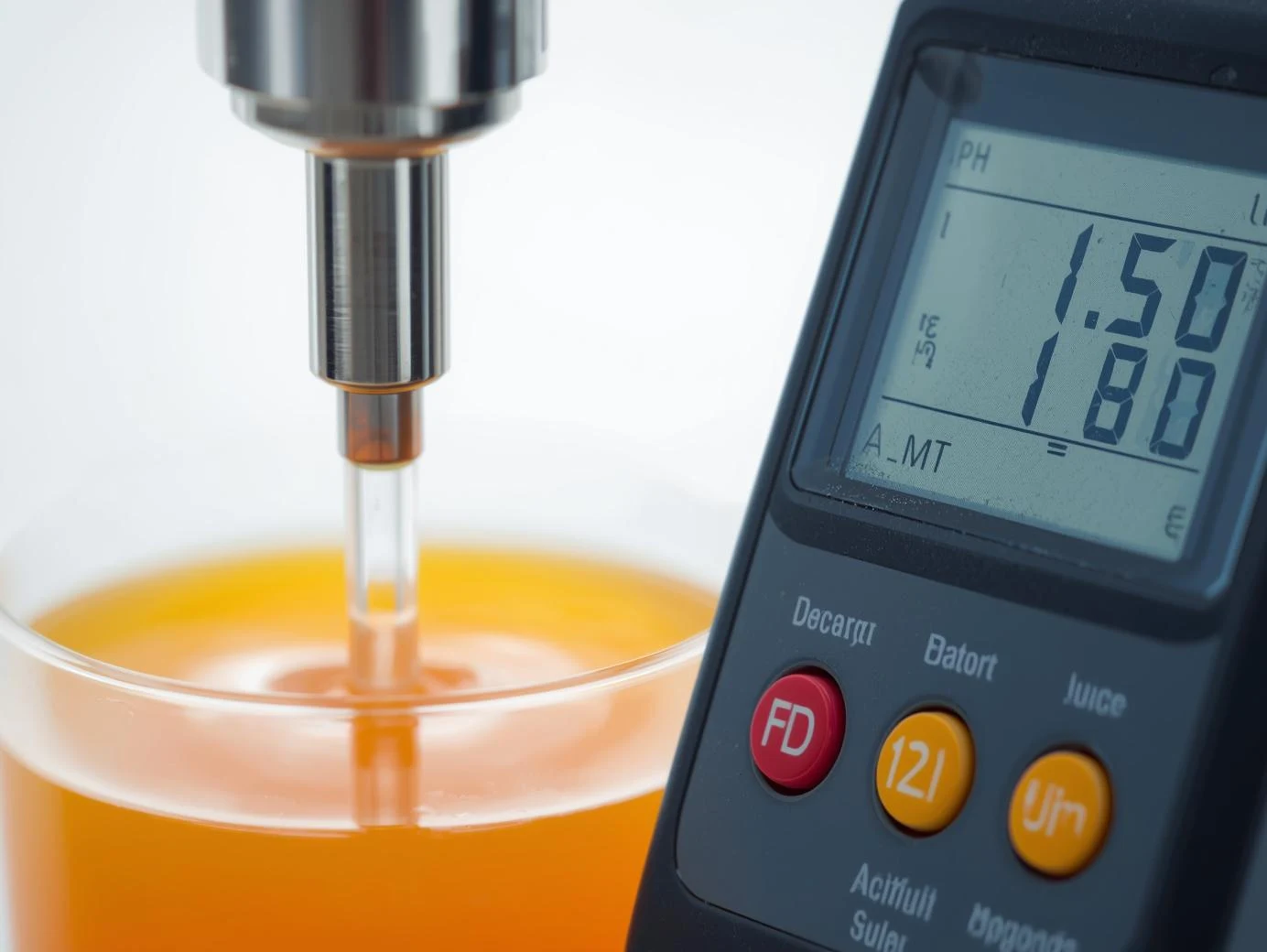
pH defines acidity and underpins preservation, texture set, and flavor consistency across beverages, dairy, and acidified foods, where a small shift can change both safety controls and sensory character.
Test Methods
AOAC 981.12, SOP 036 — Ion Selective Electrode (ISE). Range: 0–14 pH.
Technical Specs
Sample Size: 100g or 100mL | LOD: 0.01 pH | Shipping: Refrigerated or Ambient
Accreditation
ISO/IEC 17025:2017 Accredited
Moisture Analysis
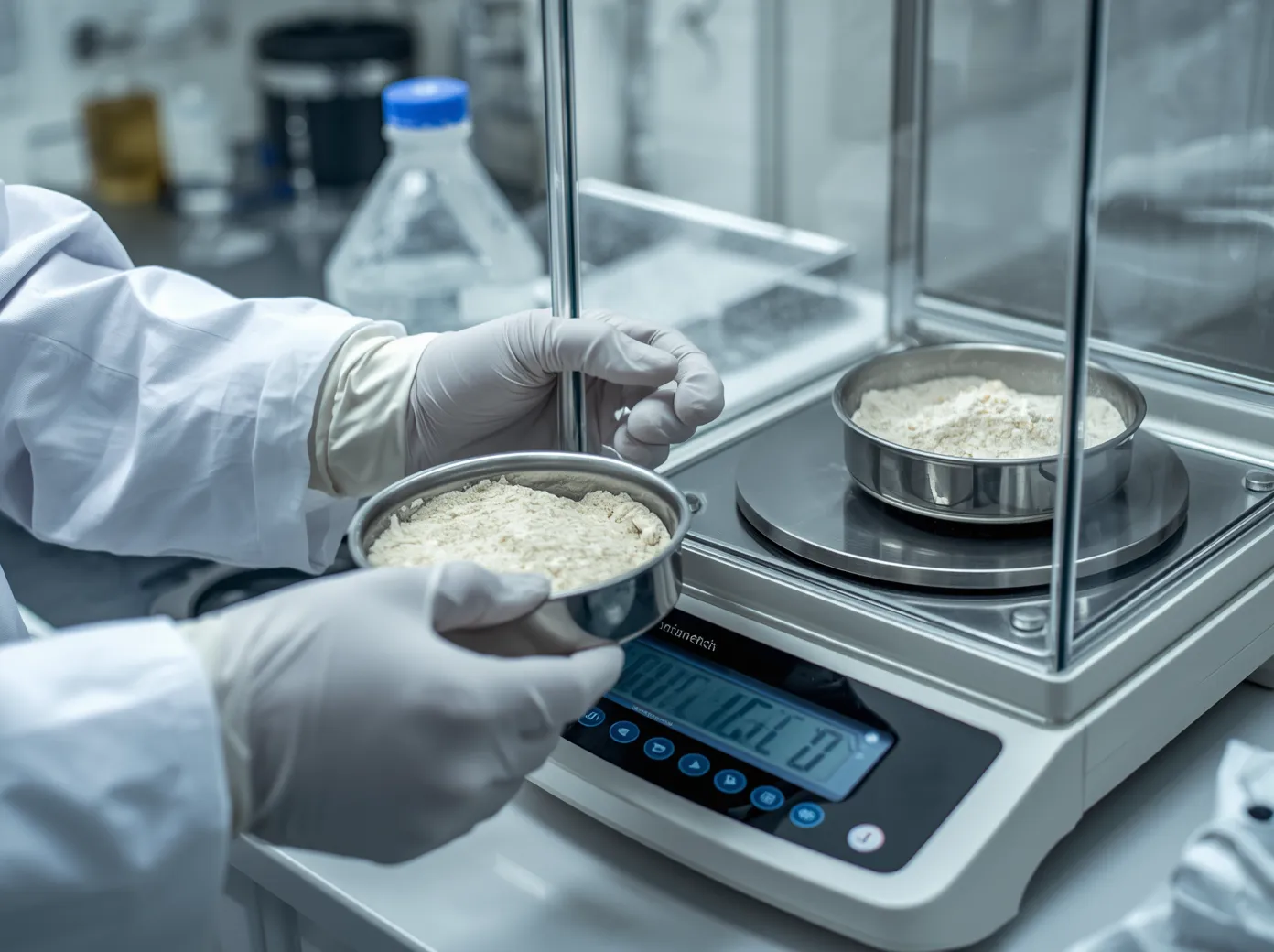
Moisture content governs texture, weight yield, caking, and spoilage susceptibility. Our gravimetric method delivers precise water-content data for dry goods, bakery, grains, and protein products.
Test Methods
AOAC 925.10 / 952.08, SOP 062 — Gravimetric (loss on drying).
Technical Specs
Sample Size: 100g | Shipping: Ambient
Accreditation
ISO/IEC 17025:2017 Accredited
Peroxide Value (PV) Analysis

Peroxide Value quantifies primary lipid oxidation the peroxides that form in the earliest stage of rancidity, well before an off-note is detectable by taste for oils, nuts, fried snacks, and bakery fats. Where oxidation has to be controlled rather than simply measured, we also quantify antioxidants such as BHA, BHT and TBHQ.
Test Methods
AOCS OM Cd 8b-90, SOP 067 — Titrimetric.
Technical Specs
Sample Size: 100g (extracted fat/oil) | LOD: 0.1 meq/kg | Shipping: Ambient (protect from heat and light)
Accreditation
ISO/IEC 17025:2017 Accredited
Free Fatty Acid (FFA) Analysis

Free Fatty Acid measures hydrolytic breakdown the "soapy" degradation that signals a fat has begun to split making it essential for verifying incoming oils and fats before they enter production.
Test Methods
AOCS OM Ca 5a-40, SOP 063 — Titrimetric (alkalimetric).
Technical Specs
Sample Size: 100g (extracted fat/oil) | LOD: 0.01% as Oleic Acid | Shipping: Ambient (protect from heat and light)
Accreditation
ISO/IEC 17025:2017 Accredited
Titratable Acidity Analysis
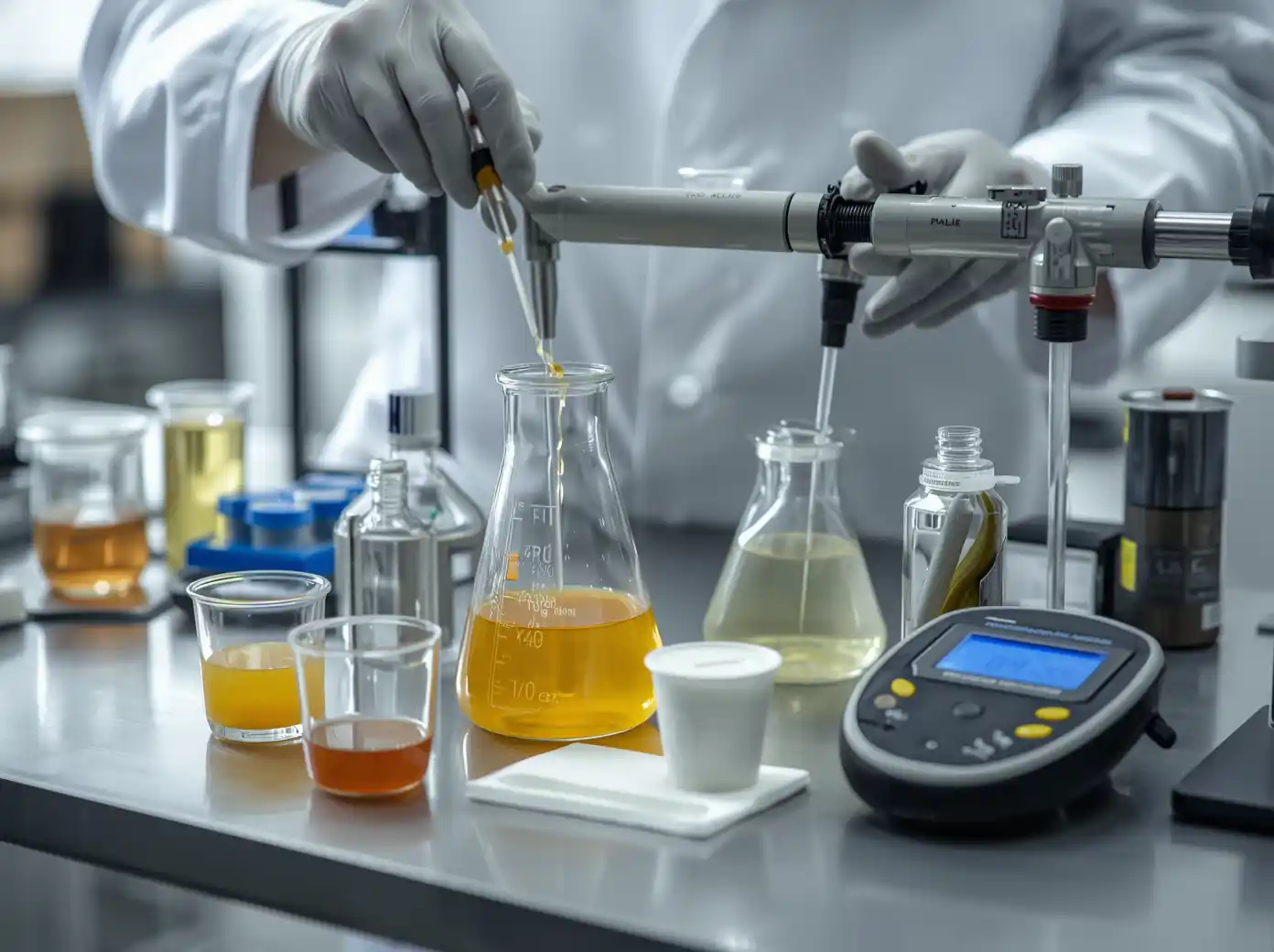
Titratable Acidity quantifies total measurable acid the true driver of perceived sourness and buffering capacity complementing the snapshot that pH provides for juices, dairy, and fermented foods.
Test Methods
AOCS OM Ca 5a-40, SOP 064 — Titrimetric.
Technical Specs
Sample Size: 100g or 100mL | Shipping: Refrigerated or Ambient
Accreditation
ISO/IEC 17025:2017 Accredited
Ash Content Analysis
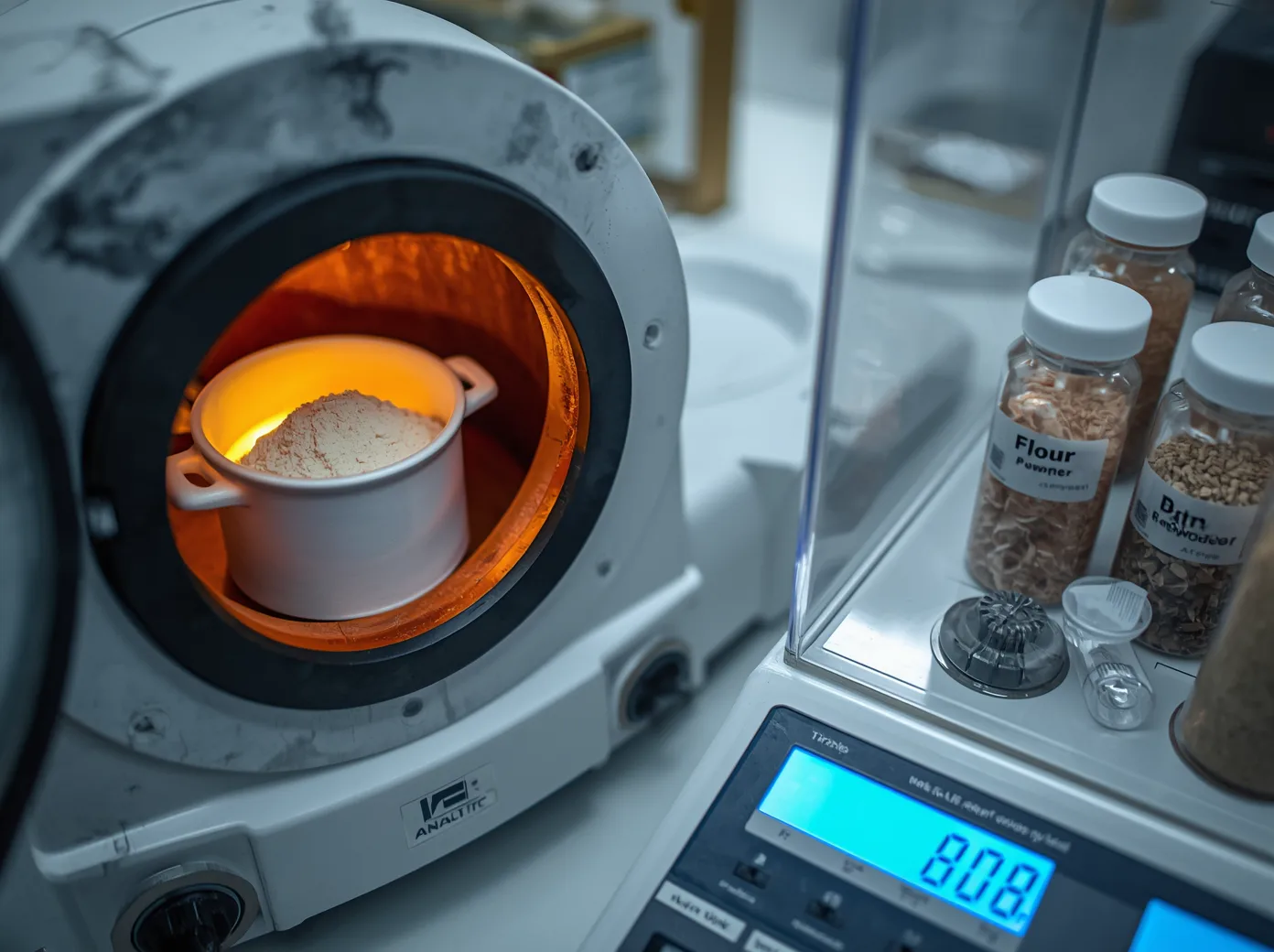
Ash reflects total mineral content and is a classic indicator of compositional consistency and refinement in flours, dairy powders, spices, and nutritional supplements.
Test Methods
AOAC 920.153 / 923.03, SOP 066 — Gravimetric (muffle furnace).
Technical Specs
Sample Size: 100g | Shipping: Ambient
Accreditation
ISO/IEC 17025:2017 Accredited
Salt (as NaCl) Analysis

Salt as NaCl confirms seasoning accuracy and its role in flavor, preservation, and label compliance across meat and poultry, snacks, cheese, and sauces.
Test Methods
USDA-FSIS CLG-SLT.04, SOP 061 — Titrimetric.
Technical Specs
Sample Size: 100g | Shipping: Ambient or Refrigerated
Accreditation
ISO/IEC 17025:2017 Accredited
| Parameter | Purpose | Why It Matters | Common Food Applications |
|---|---|---|---|
| Water Activity (Aw) | Measures free water available for microbial and chemical activity (AOAC 978.18). | Predicts spoilage risk and shelf stability better than moisture alone. | Low-moisture snacks, dried fruit, jerky, powders, confectionery |
| pH | Quantifies acidity/alkalinity by ISE (AOAC 981.12). | Controls preservation, texture set, and flavor consistency. | Beverages, dairy, acidified & fermented foods, sauces |
| Moisture | Gravimetric determination of water content (AOAC 925.10 / 952.08). | Affects texture, yield, caking, and spoilage susceptibility. | Bakery, grains, powders, meat & poultry, pet food |
| Peroxide Value (PV) | Measures primary lipid oxidation (AOCS OM Cd 8b-90). | Detects early rancidity before off-flavors develop. | Edible oils, nuts, fried snacks, bakery fats |
| Free Fatty Acid (FFA) | Quantifies hydrolytic breakdown of fats (AOCS OM Ca 5a-40). | Flags degraded raw oils and stability failures. | Oils & fats, nut butters, frying operations |
| Titratable Acidity | Total measurable acid content (AOCS OM Ca 5a-40). | Drives sourness, buffering, and fermentation control. | Fruit juices, dairy, fermented & acidified foods |
| Ash | Gravimetric total mineral content (AOAC 920.153 / 923.03). | Indicates compositional consistency and refinement. | Flour & grains, dairy powders, spices, supplements |
| Salt (as NaCl) | Titrimetric salt determination (USDA-FSIS CLG-SLT.04). | Confirms seasoning accuracy, preservation, and label claims. | Meat & poultry, snacks, cheese, sauces |
Food Quality Testing Across the Production Process
Quality is built in, not inspected at the end. Our testing supports every control point from receiving dock to distribution.
Raw Material & Ingredient Inspection
Incoming ingredients set the ceiling for finished-product quality. Screening oils and fats for Peroxide Value and Free Fatty Acid at intake catches degraded raw material before it enters your process, while Moisture and Water Activity checks on powders and dry goods confirm they meet specification. This supplier verification step turns your receiving dock into the first quality gate.
In-Process Quality Control
During production, pH and Titratable Acidity guide fermentation, acidification, and blending in real decision windows, and Salt verification keeps seasoning on target. Routine in-process analysis lets operators correct drift while a batch can still be adjusted — protecting yield and preventing costly downstream rework.
Finished Product Verification & Batch Consistency
Before release, a finished-product panel benchmarks Water Activity, pH, Moisture, Ash, and Salt against your written specification. By comparing every lot to the same reference values, we help you demonstrate batch-to-batch consistency to customers and flag any deviation before product ships.
Storage Stability & Distribution Quality
Quality must survive the supply chain. Tracking Peroxide Value, Free Fatty Acid, Water Activity, and Moisture across storage intervals reveals how a product ages under real conditions, supporting your shelf life testing and stability claims, and confirming that goods arriving at distribution still meet the standard your brand promises.
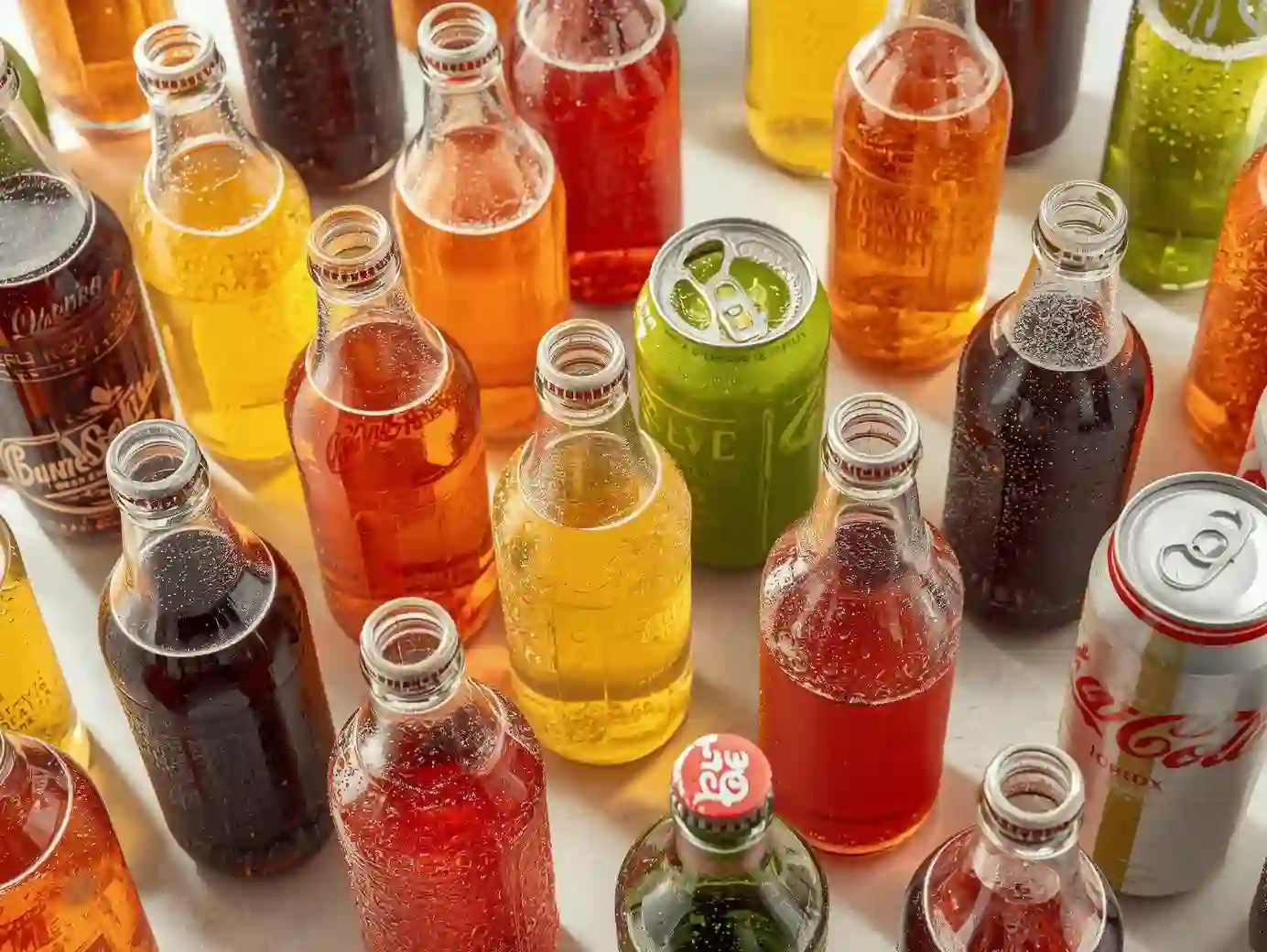
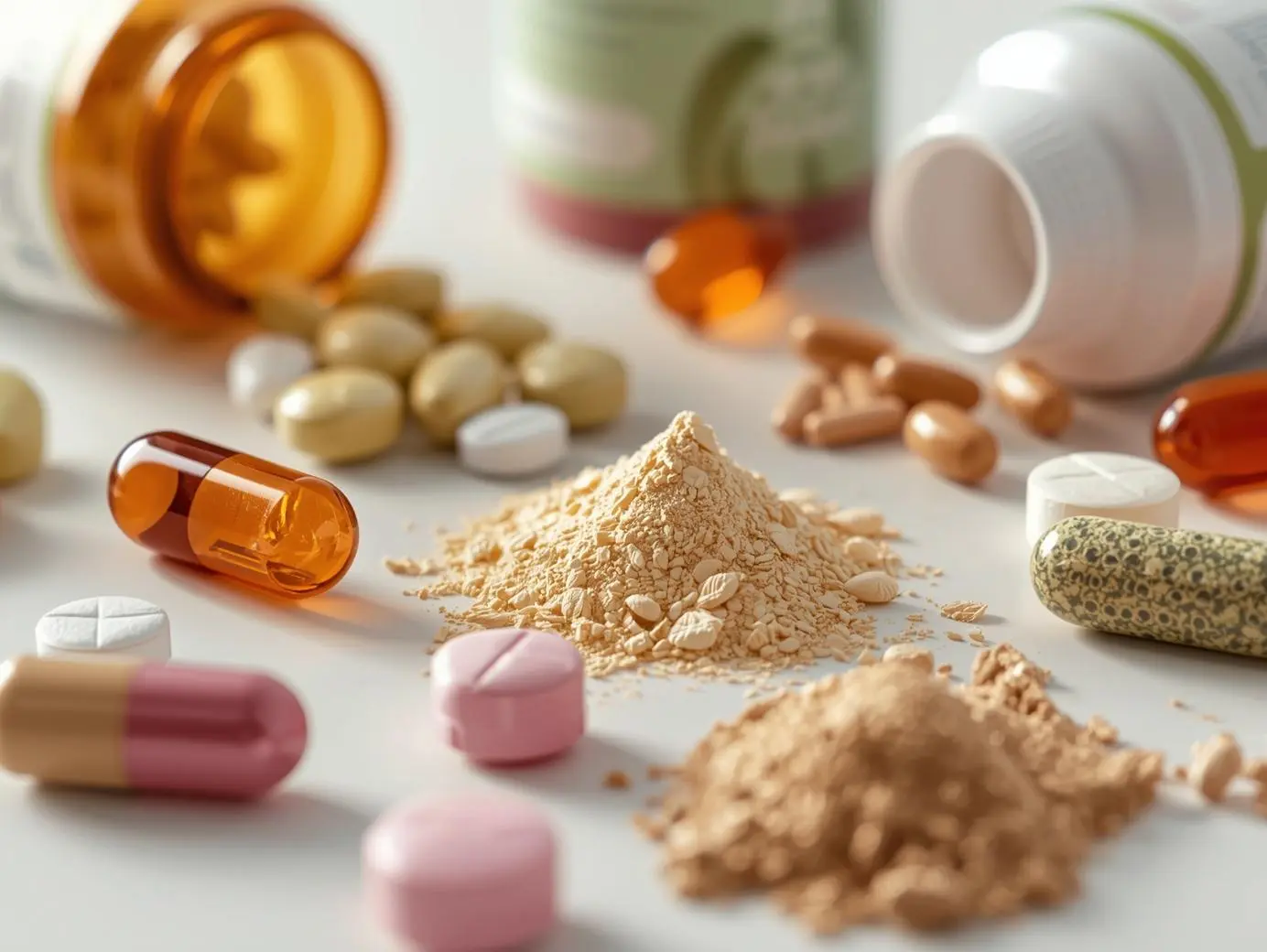
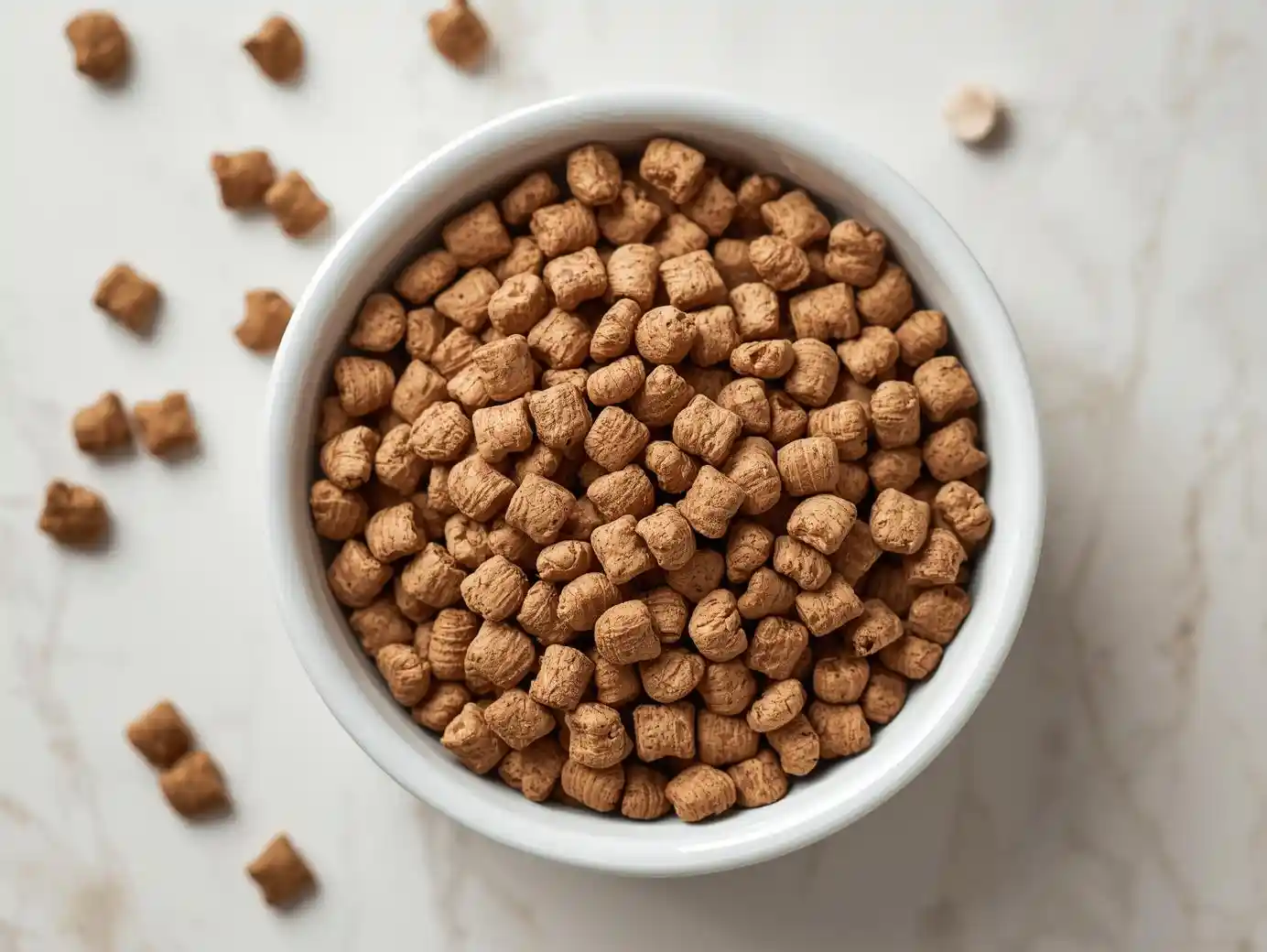
Industries We Serve
Tailored quality programs for stability-sensitive product categories.

Methods & Laboratory Techniques
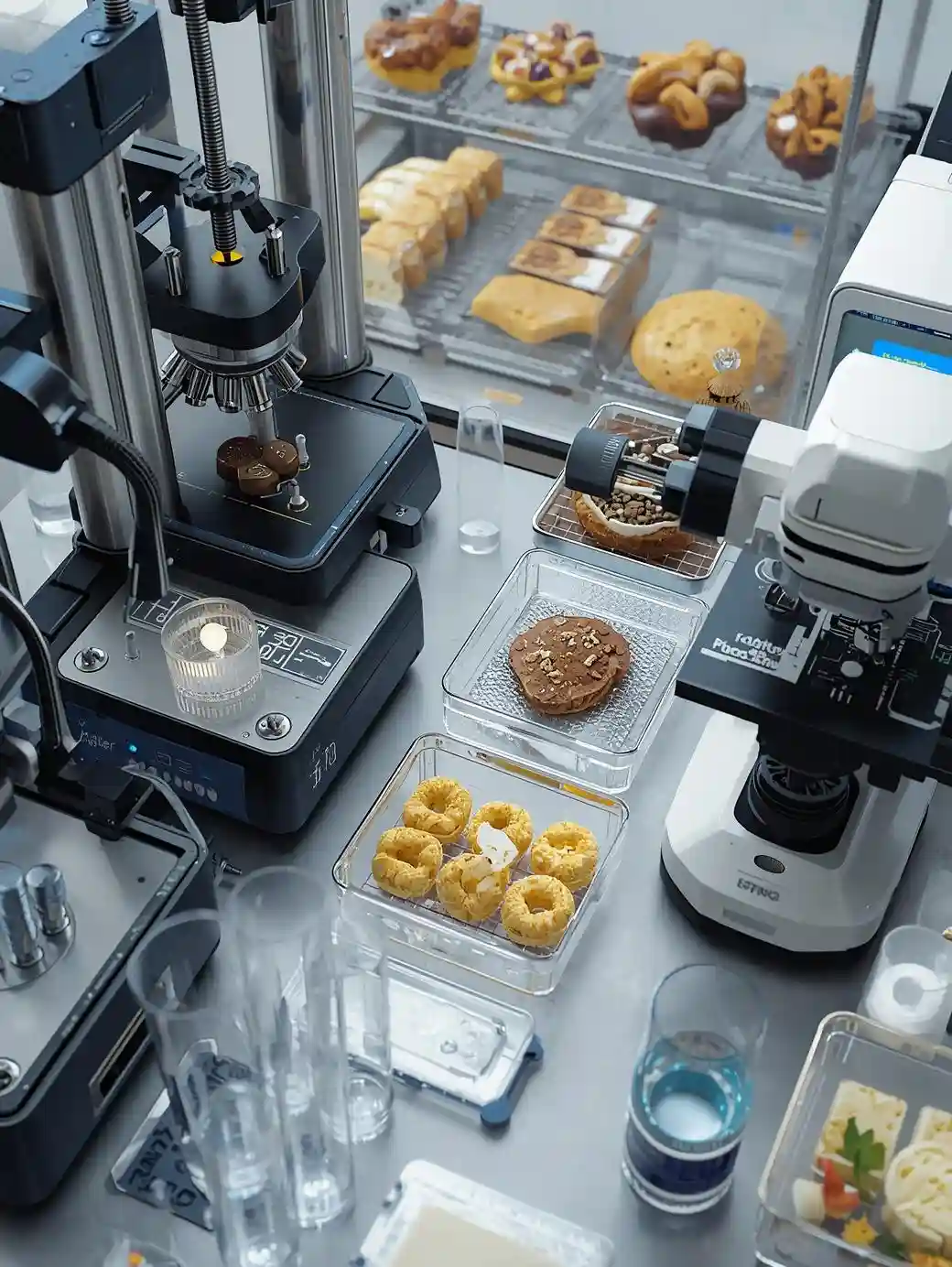
Accredited reference methods, validated instruments, and disciplined quality assurance behind every result.
-
Titrimetric Analysis
Automated potentiometric and alkalimetric titration for Peroxide Value (AOCS OM Cd 8b-90), Free Fatty Acid and Titratable Acidity (AOCS OM Ca 5a-40), and Salt as NaCl (USDA-FSIS CLG-SLT.04).
-
Vapor-Pressure & Gravimetric Systems
Water Activity by vapor pressure (AOAC 978.18), with Moisture (AOAC 925.10 / 952.08) and Ash (AOAC 920.153 / 923.03) determined gravimetrically under controlled conditions.
-
Ion-Selective Electrode pH
AOAC 981.12 pH measurement calibrated daily against NIST-traceable buffers for defensible, audit-ready acidity data.
-
Quality Assurance & Accreditation
Every method runs under ISO/IEC 17025:2017 (PJLA #117946) with documented SOPs, calibration control, and full traceability. Our complete quality-chemistry panel is accredited at the Houston laboratory (L26-535); Water Activity and pH are also accredited at Harlingen (L26-518).
Food Quality Testing FAQs
What does a food quality testing lab actually measure?
What is the difference between food quality and food safety testing?
Is AGT Labs an accredited food quality testing laboratory?
Which tests determine whether an oil or fat has gone rancid?
How much sample do you need and what is the turnaround?
Request Food Quality Testing
Send us your product and specification, and our accredited team will recommend the right quality panel, confirm sample requirements, and return a custom quote. Consistent, stable products start with objective data.
Get A Free Quote