
Heavy Metals Testing
for Food & Water
Accredited heavy metals testing by ICP-MS for lead, cadmium, arsenic, and mercury, plus full mineral and trace element panels in food products and water.
Accredited Heavy Metals Testing for Compliance Decisions
Heavy metals enter food through soil, irrigation water, processing equipment, and packaging. Because they concentrate rather than degrade, a single contaminated ingredient lot can carry through an entire production run and into finished product on retail shelves.
Our heavy metals testing analyzes toxic elements and nutritional minerals by inductively coupled plasma mass spectrometry (ICP-MS) using AOAC and EPA reference methods held on our PJLA scope of accreditation. Results are issued on a Certificate of Analysis suitable for regulatory submission, customer specification files, and supplier qualification records.
Scope note: Elemental analysis is performed at our Houston, TX facility under PJLA ISO/IEC 17025:2017 accreditation (Accreditation No. 117946, Cert L26-535). It is accredited under ISO/IEC 17025:2017 but is not included in our FDA LAAF-recognized scope. Our Harlingen, TX facility (Accreditation No. 126978) holds a separate scope that does not include elemental analysis; metals samples submitted to Harlingen are analyzed at Houston.
How Heavy Metals Testing Is Performed
From sample receipt to Certificate of Analysis, every batch runs under our ISO/IEC 17025:2017 quality system.
Accredited Heavy Metals Testing Services
Toxic element screening, nutritional mineral panels, and full water compliance testing under one accredited scope.
Toxic Element Screening
The core panel for regulatory and buyer compliance. Specifically, we quantify Lead, Cadmium, Arsenic, and Mercury in food products and water by ICP-MS under AOAC 2015.01 (SOP 046), supporting FDA action levels, Prop 65 safe harbor assessment, and retailer specification limits.
- Lead (Pb)
- Cadmium (Cd)
- Arsenic (As)
- Mercury (Hg)

Mineral & Nutrient Panels
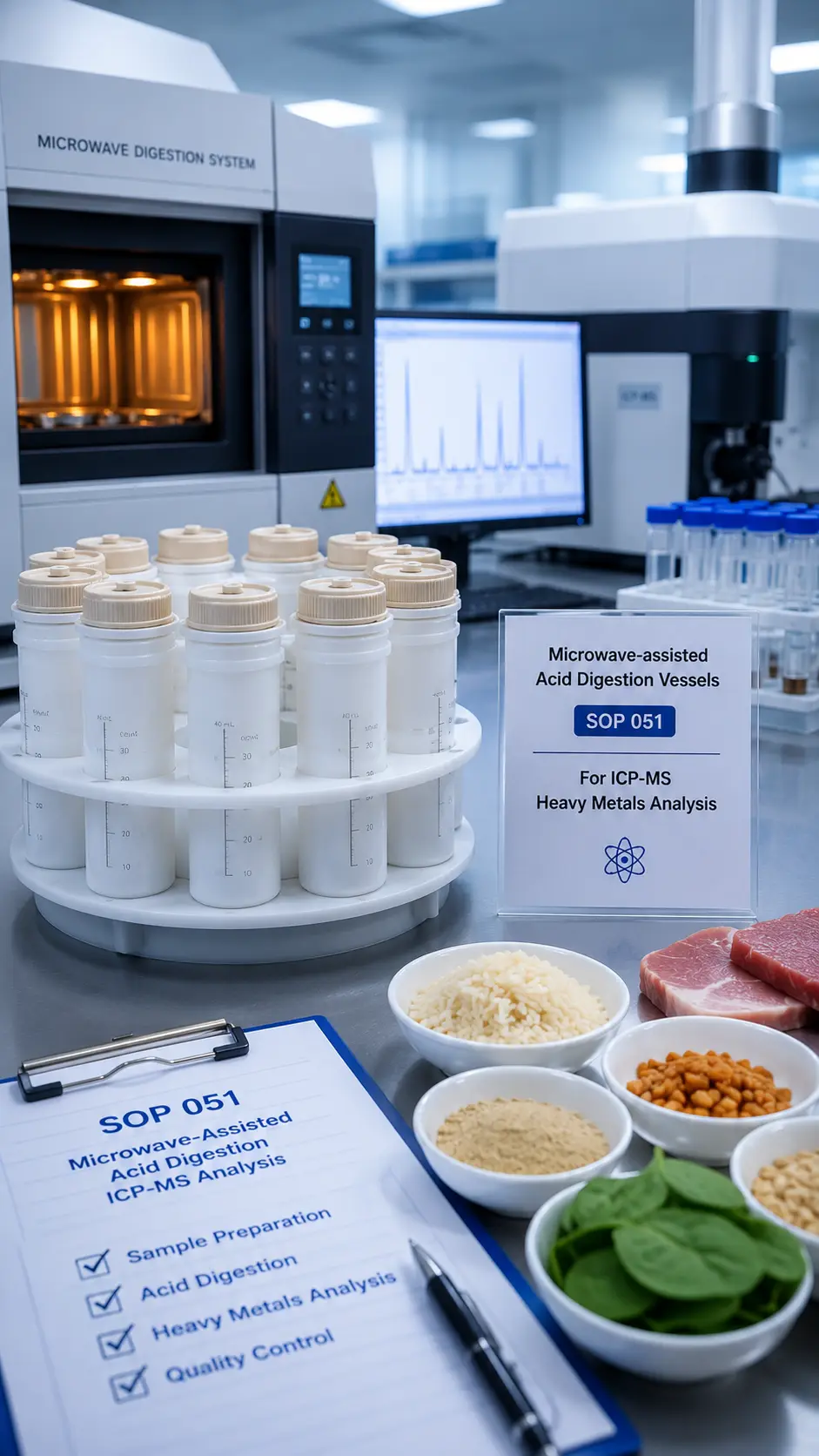
Sodium, potassium, calcium, magnesium, iron, zinc, and other minerals quantified for Nutrition Facts Panel declarations and formulation control. Notably, the base panel runs under AOAC 985.01 / 993.14 (SOP 047), while AOAC 2015.06 (SOP 051) extends coverage to Molybdenum by microwave digestion ICP-MS.
- Na, K, Ca, Mg, Fe
- Zn, Cu, Se, Cr, Mn
- Sn, Al, Ni, Mo
- Salt as NaCl (SOP 061)

Water Compliance Panels
Drinking water metals are determined by hot block digestion ICP-MS under SOP 047 / AOAC 993.14 across a 28-element panel, with dedicated mercury under SOP 050. Meanwhile, potable water runs a 32-element panel by ICP under EPA 200.7, with mercury by mercury analyzer under EPA 245.1.
- Drinking Water 28-element
- Potable Water 32-element
- Dedicated Mercury
Accredited Heavy Metals Methods
Every method below is held on the AGT Food Labs ISO/IEC 17025:2017 scope of accreditation issued by Perry Johnson Laboratory Accreditation, Inc. (PJLA) for our Houston, TX facility.
| Matrix | Elements | Method | Technique |
|---|---|---|---|
| Food Products, Water |
|
AOAC 2015.01 SOP 046 |
ICP-MS |
| Food Products, Water |
|
AOAC 985.01 AOAC 993.14 SOP 047 |
ICP-MS |
| Food |
|
AOAC 2015.06 SOP 051 |
Microwave Digestion ICP-MS |
| Food | Salt as NaCl | SOP 061 | Microwave Digestion ICP-MS |
| Drinking Water |
|
SOP 047 AOAC 993.14 |
Hot Block Digestion ICP-MS |
| Drinking Water | Mercury (Hg) | SOP 050 | Hot Block Digestion ICP-MS |
| Potable Water |
|
EPA 200.7 | ICP |
| Potable Water | Mercury (Hg) | EPA 245.1 | Mercury Analyzer |
Methods listed are performed at the AGT Food Labs fixed facility in Houston, TX under ISO/IEC 17025:2017 accreditation (PJLA Accreditation No. 117946, Certificate No. L26-535). Elemental analysis is accredited under ISO/IEC 17025:2017 and is not included in our FDA LAAF-recognized scope. Our Harlingen, TX facility (Accreditation No. 126978) holds a separate scope that does not include elemental analysis; metals samples submitted to Harlingen are analyzed at Houston.
Industries We Serve
Heavy metals testing across the food and beverage categories where elemental limits drive release decisions.



Why Buyers Request Heavy Metals Testing
Most manufacturers and importers commission elemental analysis when one of these drivers applies.
📋FDA Action Levels
FDA has issued action levels for lead in juice and in food intended for babies and young children, with additional element guidance in development under Closer to Zero. Ingredient and finished product data is how manufacturers demonstrate they are meeting them.
⚠️California Proposition 65
Lead, cadmium, arsenic, and mercury all appear on the Prop 65 list. Quantified results against safe harbor levels determine whether a warning label is required for California distribution.
🛡️FSMA Supplier Verification
Preventive controls rules require hazard analysis covering chemical hazards. Where heavy metals are identified as a hazard requiring a preventive control, supplier verification testing is the usual control.
🌍Import & Export Requirements
Importers facing detention, and exporters meeting destination market limits, both need accredited elemental data tied to a specific lot.
🏷️Nutrition Facts Declarations
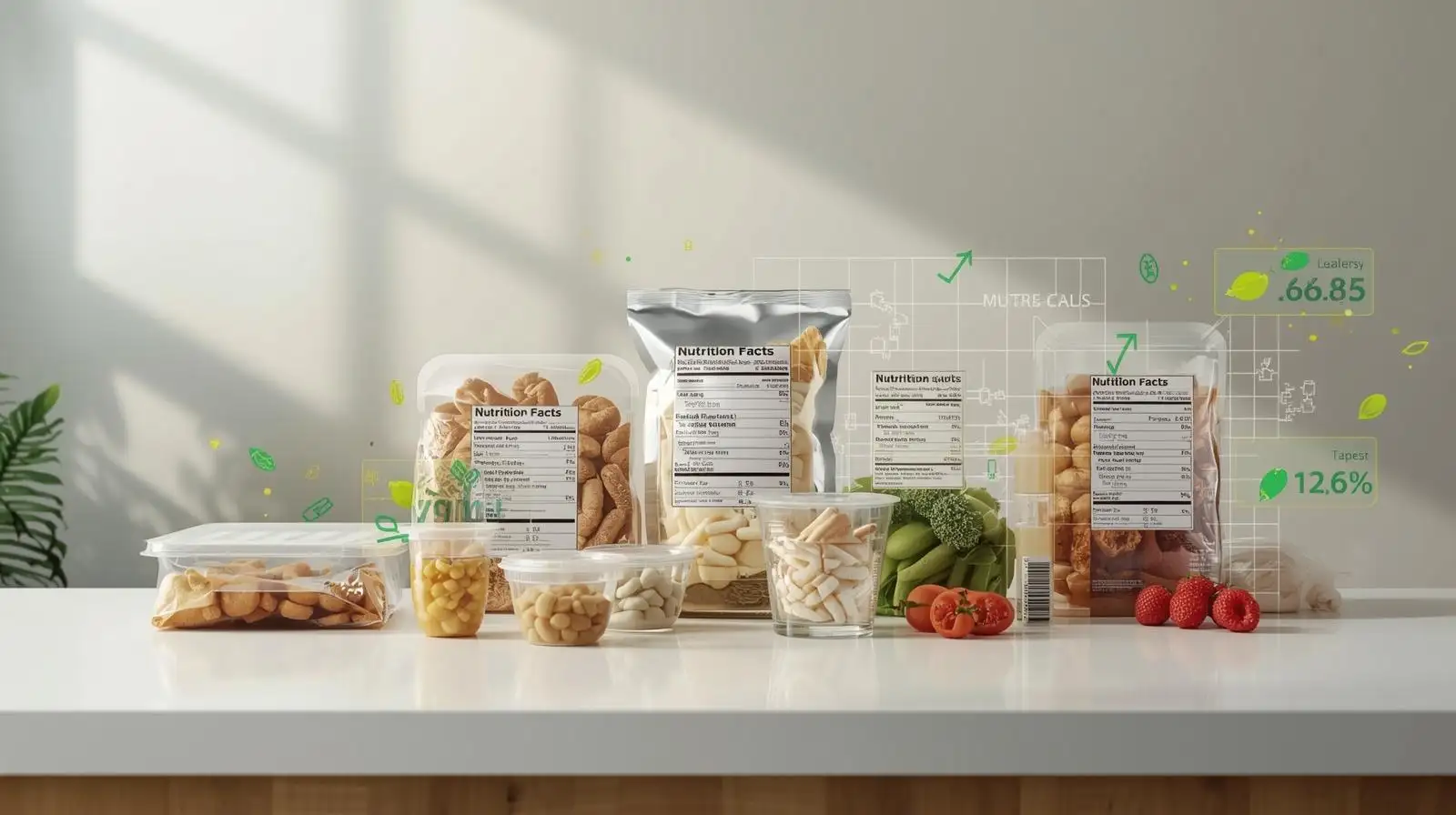
Sodium, calcium, iron, and potassium are mandatory on the Nutrition Facts Panel. Mineral quantification by ICP-MS supports accurate label values under 21 CFR Part 101.
🛒Retailer Specifications
Retail buyers and co-manufacturing partners routinely set contractual metals limits that sit below regulatory thresholds, requiring lot-level verification data.
Frequently Asked Questions
Common questions about accredited elemental analysis.
Which heavy metals do you test under accreditation?
Is your heavy metals testing FDA LAAF-recognized?
Can you test heavy metals in dietary supplements?
How does heavy metals testing support Prop 65 compliance?
How much sample do you need?
Ready to Ensure Your Product Safety?
Join the food manufacturers, importers, and supplement brands who rely on AGT Labs for accredited heavy metals testing and timely, defensible results.
Contact Us