
Veterinary Drug Residue
Testing for Food
Accredited veterinary drug residue testing by LC-MS/MS for nitrofuran and triphenyl methane dyes in food, using FDA Laboratory Information Bulletin methods at our Houston, TX laboratory.
Accredited Veterinary Drug Residue Testing for Import Compliance
The United States prohibits nitrofuran and triphenyl methane dyes in food-producing animals. Because both compounds trace back to aquaculture production, FDA screens imported product for them routinely. Residues can also persist in edible tissue long after treatment, so detection depends on sensitive confirmatory analysis rather than visual inspection or documentation review.
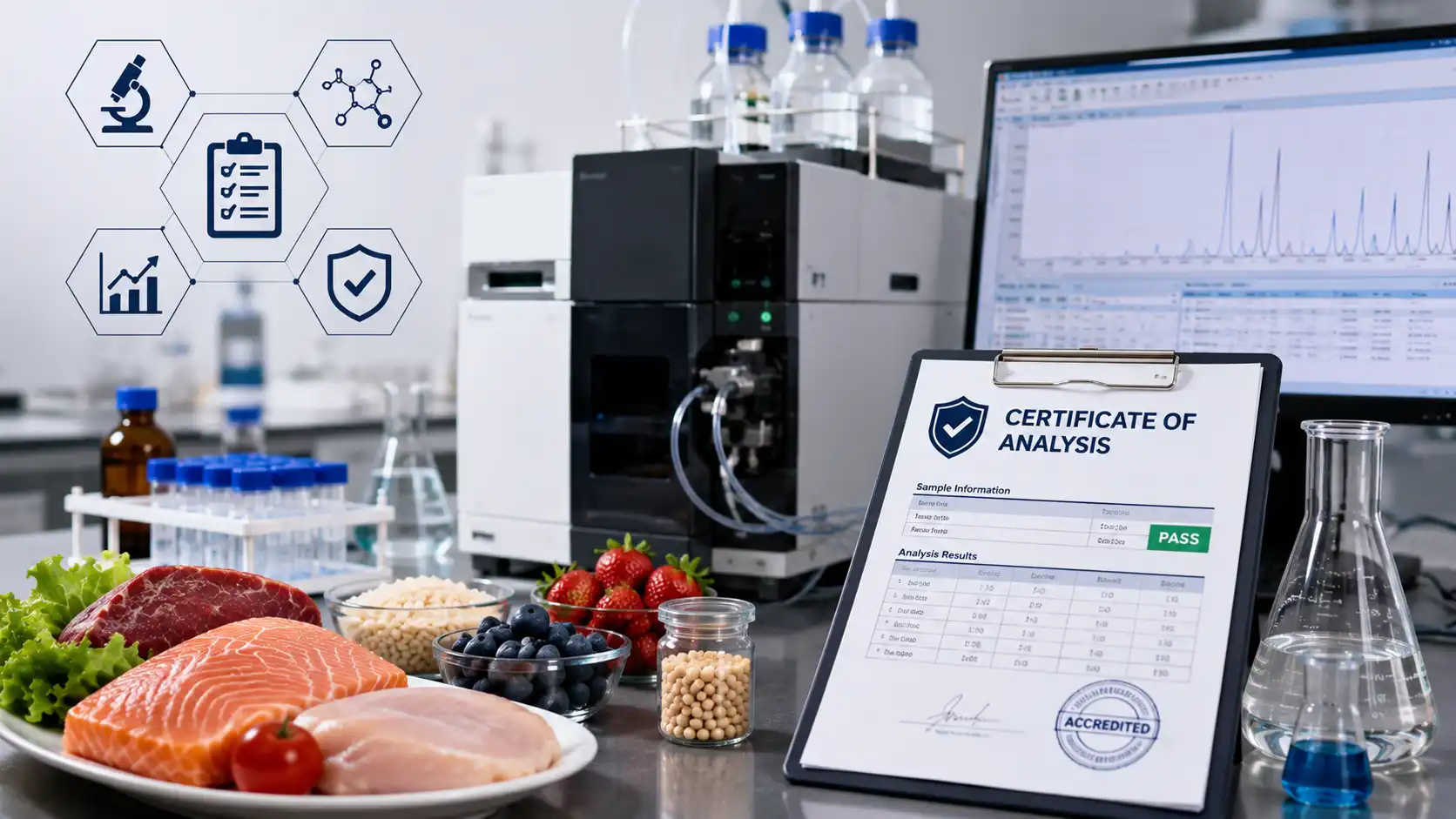
AGT Labs performs veterinary drug residue testing by liquid chromatography tandem mass spectrometry (LC-MS/MS), using FDA Laboratory Information Bulletin methods that sit on our ISO/IEC 17025:2017 scope of accreditation. Results are issued on a Certificate of Analysis suitable for import documentation, supplier qualification files, and buyer specification records.
Scope note: Veterinary drug residue analysis is performed at our Houston, TX facility under PJLA ISO/IEC 17025:2017 accreditation (Accreditation No. 117946, Cert L24-482-R2). It is accredited under ISO/IEC 17025:2017 but is not included in our FDA LAAF-recognized scope. Our Harlingen, TX facility (Accreditation No. 126978) holds a separate scope that does not include veterinary drug residue analysis; these samples are analyzed at Houston.
How Veterinary Drug Residue Testing Is Performed
From sample receipt to Certificate of Analysis, every batch runs under our ISO/IEC 17025:2017 quality system.
Accredited Veterinary Drug Residue Panels
Two accredited LC-MS/MS panels covering the prohibited compound classes FDA targets in imported aquaculture product.

Nitrofuran Residues
Accredited LC-MS/MS analysis in food under FDA-LIB4597 and FDA-LIB4682. Because regulators ban nitrofurans in food animal production, both agencies and buyers treat any detection as a violation, supporting FDA import screening and buyer specification requirements.
- FDA-LIB4597
- FDA-LIB4682
- SOP 085
- LC-MS/MS
- Certificate of Analysis
Triphenyl Methane Dyes
Accredited LC-MS/MS analysis in food under FDA-LIB4562. Although aquaculture operations once used this class of compounds as an antifungal and antiparasitic treatment, no approval covers food-producing animals, so any confirmed detection is actionable.
- FDA-LIB4562
- SOP 086
- LC-MS/MS
- Food matrix
- Certificate of Analysis
Accredited Veterinary Drug Residue Methods
Both methods below sit on the AGT Food Labs ISO/IEC 17025:2017 scope of accreditation issued by Perry Johnson Laboratory Accreditation, Inc. (PJLA) for our Houston, TX facility.
| Matrix | Parameter | Method | Technique |
|---|---|---|---|
| Food | Nitrofuran | FDA-LIB4597 FDA-LIB4682 SOP 085 |
LC-MS/MS |
| Food | Triphenyl methane dyes | FDA-LIB4562 SOP 086 |
LC-MS/MS |
Methods listed are performed at the AGT Food Labs fixed facility in Houston, TX under ISO/IEC 17025:2017 accreditation (PJLA Accreditation No. 117946, Certificate No. L24-482-R2). Veterinary drug residue analysis is accredited under ISO/IEC 17025:2017 and is not included in our FDA LAAF-recognized scope. Our Harlingen, TX facility (Accreditation No. 126978) holds a separate scope that does not include veterinary drug residue analysis; these samples are analyzed at Houston. For residues outside the parameters listed above, contact our team to discuss available options.
Products We Analyze
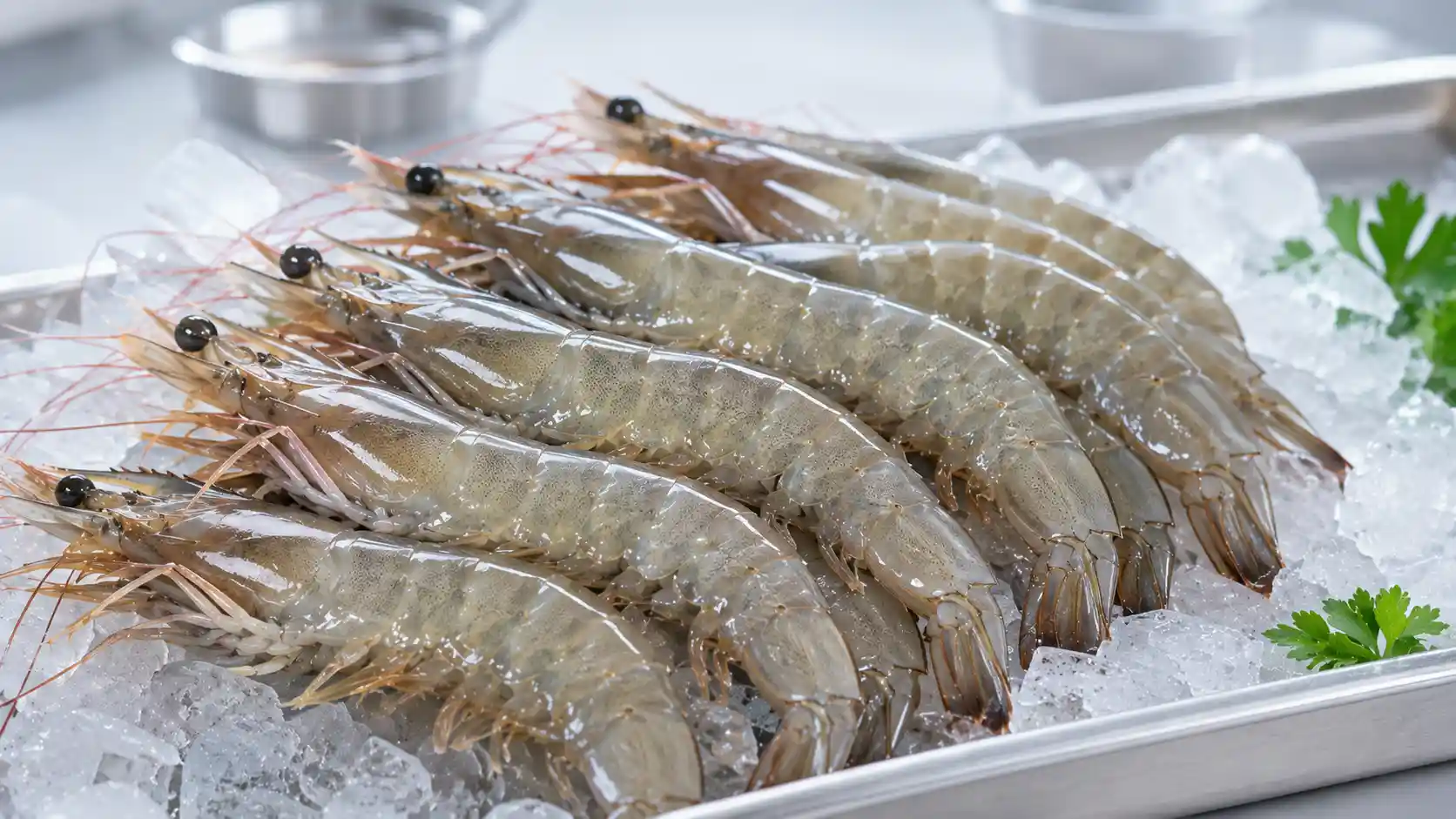
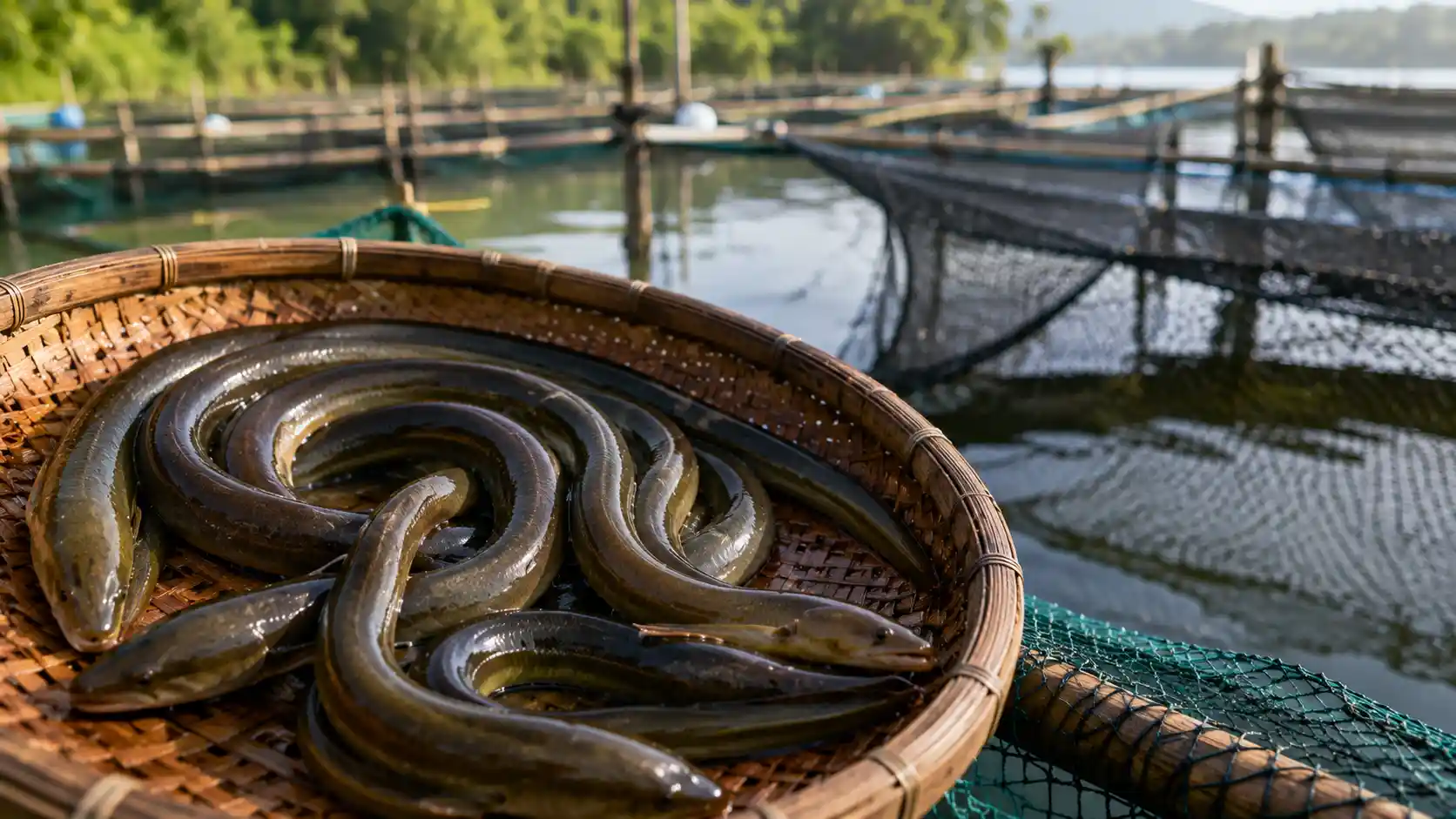
Our accredited veterinary drug residue scope covers food matrices. Within that scope, these are the categories most often submitted.

Why Buyers Request Veterinary Drug Residue Testing
Most importers and processors commission residue analysis when one of these drivers applies.
🛃FDA Import Screening
FDA screens aquaculture products entering the United States for prohibited animal drug residues. Nitrofuran and triphenyl methane dyes rank among the compounds the agency targets in imported seafood, and a finding can lead to refusal of entry.
⛔Detention Without Physical Examination
When an import alert applies, FDA may hold entries until the importer presents accredited laboratory results demonstrating the product does not violate the alert.
🚫Zero-Tolerance Compounds
Since no approval covers nitrofuran or triphenyl methane dyes in food-producing animals, no tolerance level exists to test against. Therefore, any confirmed detection becomes actionable.
🛡️Supplier Verification Under FSMA
When a hazard analysis identifies a chemical hazard requiring a preventive control, importers and manufacturers use residue testing to verify that control.
🛒Buyer & Retailer Specifications
Retail and foodservice buyers routinely require residue certificates on every lot of imported aquaculture product before accepting delivery.
🌍Export Documentation
Destination markets may require accredited residue results as part of the health certification package accompanying a shipment.
Frequently Asked Questions
Common questions about accredited veterinary drug residue analysis.
Which veterinary drug residues do you test under accreditation?
Is your veterinary drug residue testing FDA LAAF-recognized?
Can you support an FDA import detention or import alert?
What is the tolerance level for these residues?
How much sample do you need?
Ready to Ensure Your Product Safety?
Join the importers, processors, and distributors who rely on AGT Labs for accredited veterinary drug residue testing and timely, defensible results.
Contact Us