Pet Food Testing

Accredited microbiological testing for pet food, treats, and raw diets, plus pH and water activity for stability. AGT Food Labs helps manufacturers verify safety, monitor sanitation, and release product faster with validated pathogen and hygiene analysis.

Introduction

Accredited pet food testing, built for manufacturers

AGT Food Labs is an ISO/IEC 17025:2017-accredited laboratory (PJLA Accreditation #117946) in Houston, Texas, providing microbiological, hygiene, and stability testing for pet food, treats, and raw diets. We run pet food with the same rigor we apply to human food — validated AOAC Official and AOAC Performance Tested (PTM) methods across the full microbiology panel, plus pH and water activity for shelf stability.

Whether you're releasing a finished lot, qualifying a new formula, or verifying your sanitation program, you get results that hold up to scrutiny and a Certificate of Analysis you can hand to a customer or an auditor without a second thought.

Zero-tolerance pathogens

Salmonella and Listeria screened by PCR and lateral flow, with cultural confirmation.

Audit-ready CoA

Defensible documentation for customers, retailers, and regulators.

Every format covered

Kibble, wet, semi-moist, freeze-dried raw, treats, and pet food ingredients.

Why It Matters

Protect the pets, and the brand behind the bag

A Salmonella or Listeria recall doesn't just cost a batch — it costs the trust pet owners placed in your brand. That risk is the same whether you make kibble, wet food, freeze-dried raw, or dental treats, and accredited testing is how you stay ahead of it: confirming each lot is safe and microbially stable before it ever ships.

Pet food sits under real regulatory scrutiny. The FDA enforces a zero-tolerance standard for Salmonella in pet food, and major retailers increasingly require third-party Certificates of Analysis before they will stock a product. Routine accredited testing — finished product, environmental monitoring, and stability — is what turns that pressure into a documented, defensible food-safety program.

And it isn't only about pathogens. Indicator organisms reveal whether your sanitation is holding, while pH and water activity predict whether a product will stay stable on the shelf — especially for semi-moist treats and raw diets, where moisture sits in the danger zone.

Detailed Analysis Catalog

Comprehensive pet food analysis

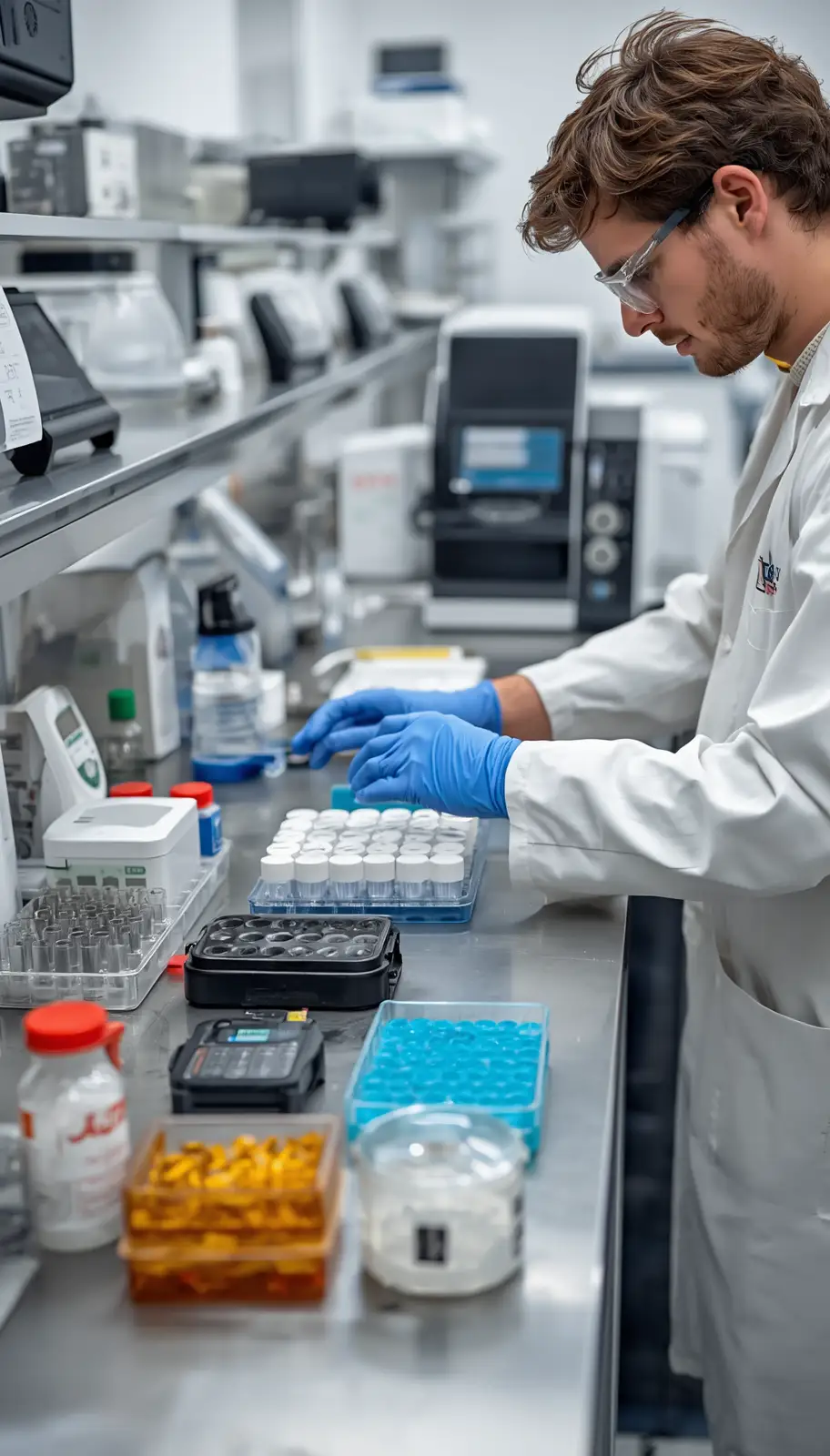
Pathogen Screening Analyst running PCR pathogen detection on a pet food sample

Pathogen Detection

Salmonella and Listeria are the recalls that keep pet food owners up at night. We screen finished product and environmental swabs by PCR and lateral flow, then confirm every presumptive on culture — so a positive is real and a negative holds up.

Salmonella Listeria L. monocytogenes E. coli O157:H7 STEC
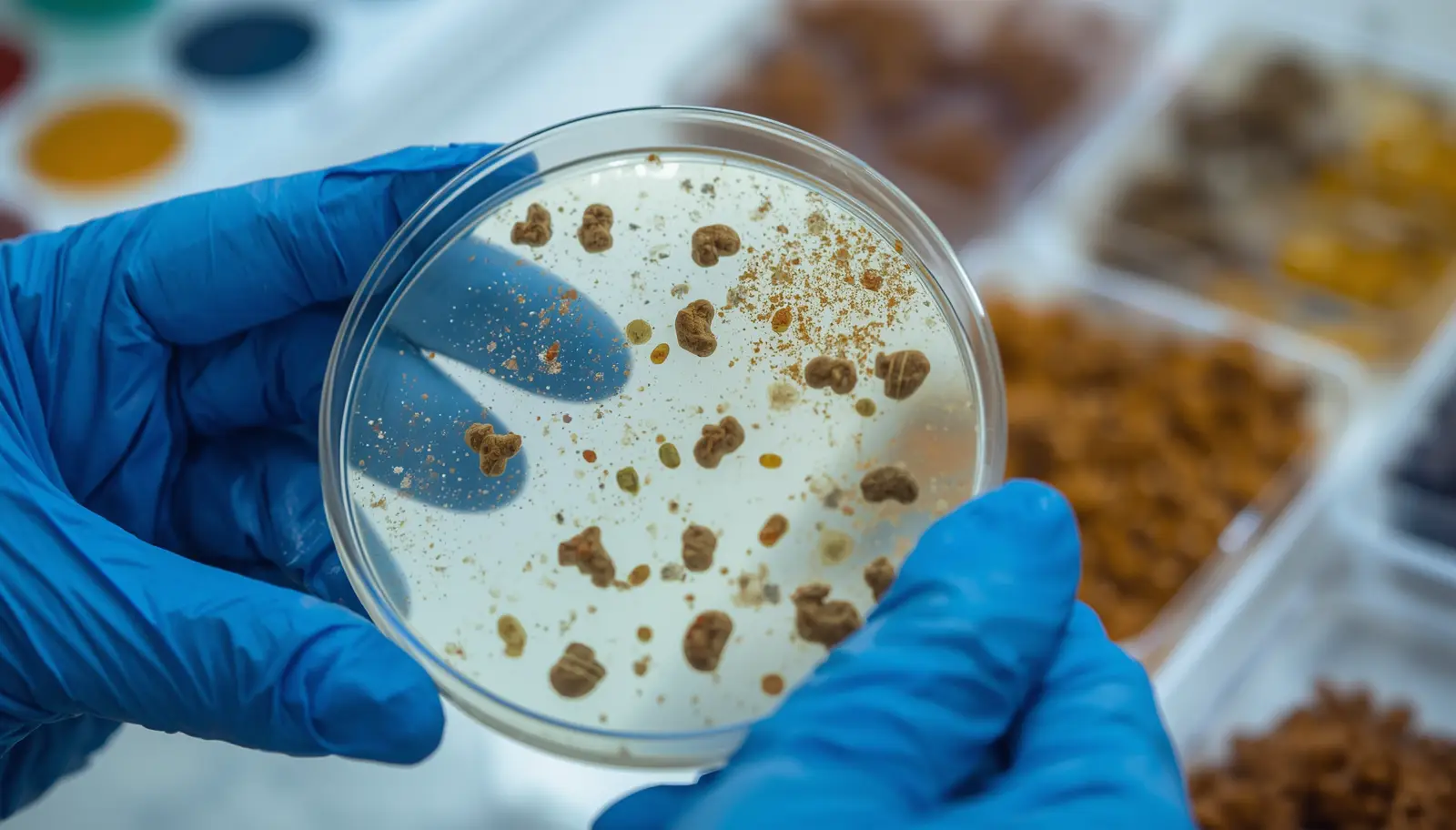
Quality & Sanitation Petrifilm plates used for hygiene indicator counts in pet food testing

Hygiene & Indicator Organisms

Indicator counts tell you whether your sanitation is actually working before a problem reaches the bag. We run the full quantitative panel so you can trend results, catch drift early, and back up your quality program.

Aerobic Plate Count Yeast & Mold E. coli Total Coliform Enterobacteriaceae Lactic Acid Bacteria Staph. aureus
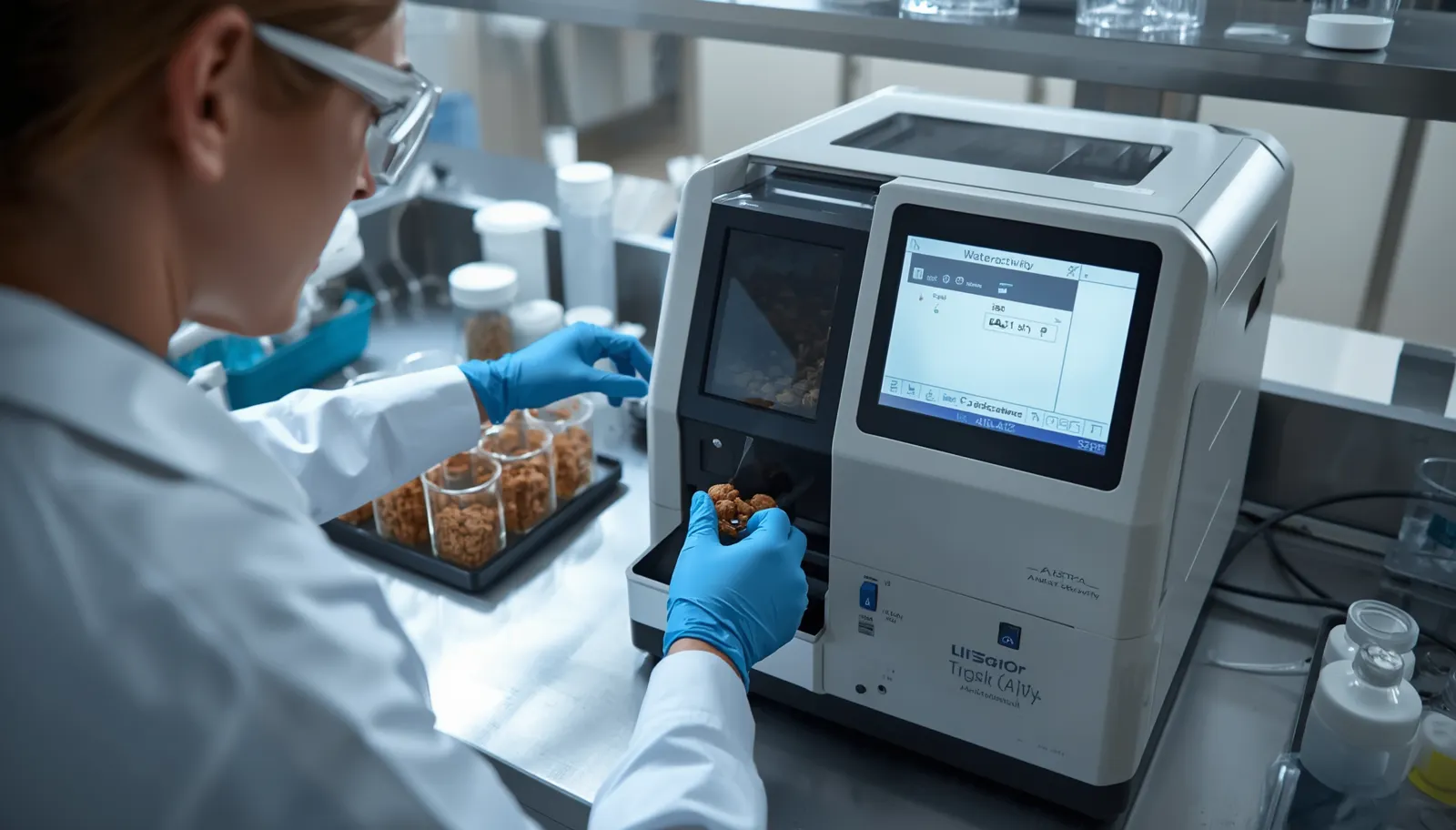
Stability Parameters Water activity meter measuring a pet food sample

pH & Water Activity

Two numbers do a lot of the work in predicting shelf stability. pH and water activity tell you how hospitable your product is to microbial growth — especially useful for semi-moist treats and freeze-dried raw, where moisture sits in the danger zone.

pH Water Activity (Aw)
Accredited Methods

Methods, parameters & references

Hygiene & Indicator Organisms

7 methods
Aerobic Plate Count
MethodAOAC 990.12
TechniquePetrifilm
Yeast & Mold
MethodAOAC 2014.05
TechniquePetrifilm
Escherichia coli
MethodAOAC 991.14
TechniquePetrifilm
Total Coliform
MethodAOAC 991.14
TechniquePetrifilm
Enterobacteriaceae
MethodAOAC 2003.01
TechniquePetrifilm
Lactic Acid Bacteria
MethodAOAC PTM #04171
TechniquePetrifilm
Staphylococcus aureus
MethodAOAC 2003.07, 2003.08, 2003.11
TechniquePetrifilm

Pathogen Detection

5 methods
Salmonella
MethodAOAC PTM #010803
SOPSOP 021
TechniquePCR
Listeria
MethodAOAC PTM #101102, #090701
SOPSOP 016, SOP 014
TechniqueLateral Flow w/ Cultural Confirmation (culture plates) / PCR
Listeria monocytogenes
MethodAOAC PTM #010802
SOPSOP 014
TechniquePCR
E. coli O157:H7
MethodAOAC PTM #020801
SOPSOP 011
TechniquePCR
Shiga Toxin E. coli (STEC)
MethodAOAC PTM #121203
SOPSOP 024
TechniquePCR

Stability Parameters

2 methods
pH
MethodAOAC 981.12
TechniqueISE
Water Activity
MethodAOAC 978.18
TechniqueVapor Pressure
Who We Work With

Industries we serve

Specialized testing support for the businesses that make, co-pack, supply, and move pet food — with panels and reporting matched to each operation.

Pet food manufacturing line

Pet Food Manufacturers

Kibble, canned, and wet food producers running release and verification testing on finished lots.

Pet treats and chews

Treat & Chew Makers

Semi-moist treats, jerky, biscuits, and dental chews where moisture and pathogens need close watch.

Cold storage for raw and frozen pet food

Raw & Freeze-Dried Producers

Frozen and freeze-dried raw diets that carry higher pathogen risk and demand rigorous screening.

Packaged private-label pet food

Co-Manufacturers & Private Label

Contract manufacturers and private-label brands needing independent, audit-ready Certificates of Analysis.

Pet food ingredients and raw materials

Ingredient Suppliers

Suppliers verifying incoming materials and functional ingredients before they enter production.

Pet food importers and distributors

Importers & Distributors

Importers and distributors confirming product meets U.S. food-safety expectations before distribution.

How We Test

Technical Capabilities

Validated detection and quantification across molecular, enumeration, and confirmation platforms — all run under an accredited ISO/IEC 17025:2017 quality system.

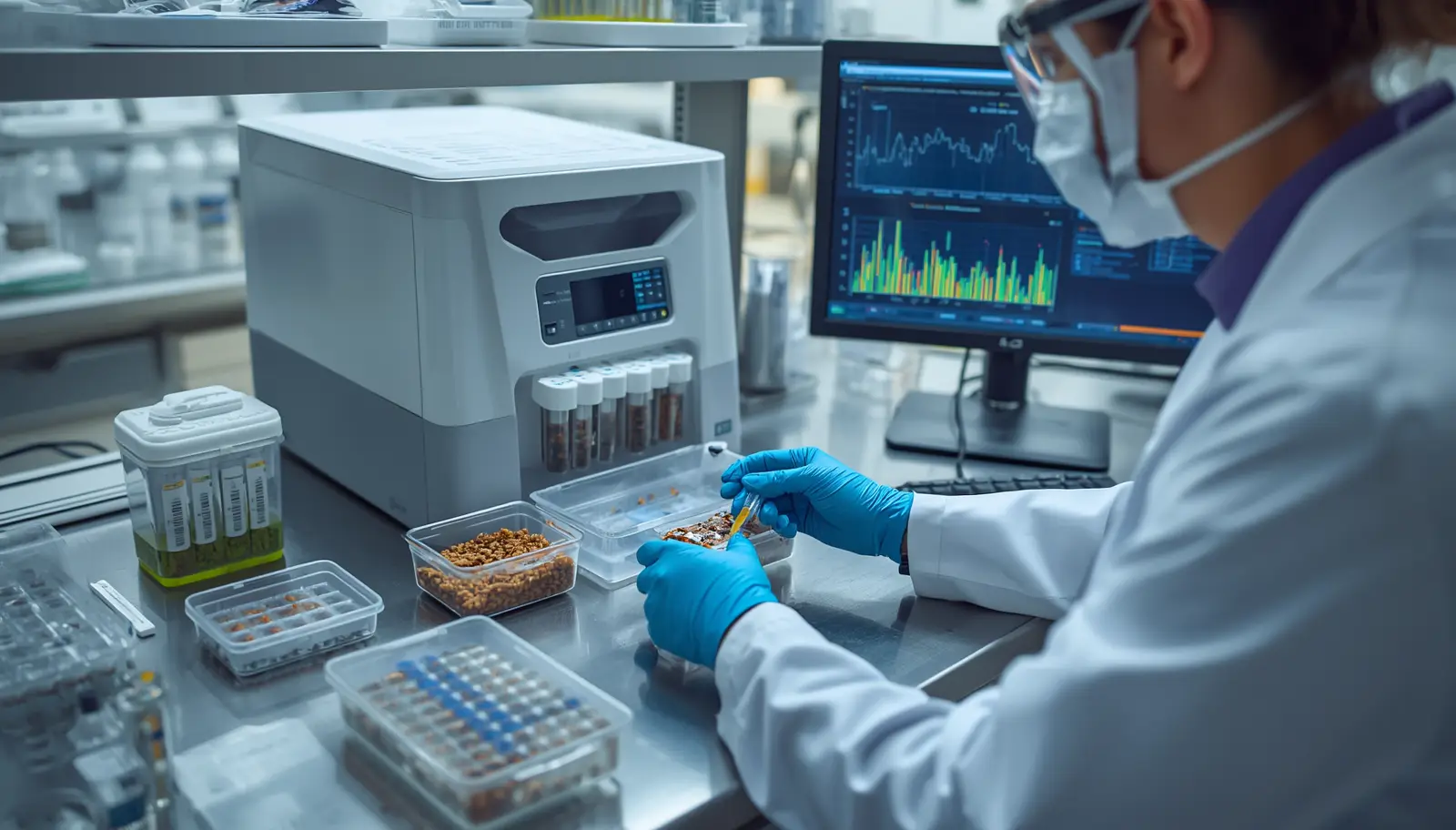
Microbiology and analytical instrumentation at AGT Food Labs

Molecular Detection (PCR)

Real-time PCR delivers rapid, highly specific detection of Salmonella, Listeria, L. monocytogenes, E. coli O157:H7, and STEC on validated AOAC-PTM methods.

Rapid Screening • High Specificity • Pathogen Confirmation

Quantitative Microbiology (Petrifilm)

Validated enumeration for aerobic plate count, coliforms, E. coli, Enterobacteriaceae, yeast & mold, lactic acid bacteria, and Staph. aureus.

Indicator Trending • Sanitation Checks • Shelf-Life Support

Methodology & Validation

Lateral-flow screening with cultural confirmation, plus pH by ISE (AOAC 981.12) and water activity by vapor pressure (AOAC 978.18) — all under an ISO/IEC 17025:2017 quality system.

Cultural Confirmation • pH & Aw • ISO/IEC 17025:2017 Controls
Why AGT Labs

Accredited results manufacturers rely on

ISO/IEC 17025:2017 Accredited

Accredited to ISO/IEC 17025:2017 by PJLA (Accreditation #117946), so your pet food results are recognized and defensible.

Validated AOAC & AOAC-PTM Methods

Pathogen and hygiene testing run on internationally recognized AOAC Official and Performance Tested methods, validated for pet food and environmental samples.

Rush Turnaround

Standard reporting in 5–7 business days, with rush options to release inventory and meet ship dates.

Common Questions

Pet food testing FAQs

What pathogens should I test for in pet food?
Start with Salmonella and Listeria monocytogenes — they're the zero-tolerance pathogens behind most pet food recalls. If you make raw or freeze-dried diets, add E. coli O157:H7 and Shiga-toxin producing E. coli (STEC); those formats carry higher risk. Either way, we confirm every presumptive on culture, so the result you report is one you can defend.
Do you test raw, freeze-dried, and wet pet food?
Yes. We test kibble, canned and wet food, semi-moist treats, freeze-dried and frozen raw diets, dental chews, and pet food ingredients. Water Activity and pH testing are especially useful for verifying the stability of semi-moist and raw formats.
What are hygiene indicator tests and why do they matter?
Indicator organisms — Aerobic Plate Count, Coliforms, E. coli, Enterobacteriaceae, and Yeast & Mold — measure overall sanitation and spoilage risk rather than a single pathogen. Tracking them verifies that your manufacturing hygiene is under control and supports shelf-life and quality programs.
How does Water Activity affect pet food shelf life?
Water activity (Aw) measures the free water microbes can actually use to grow — not just how much water is in the product. That makes it the single best predictor of microbial stability and shelf life, and it matters most for semi-moist treats and raw diets, where moisture sits high enough that small changes tip the balance.
How much sample do you need?
For most pet food microbiological analyses we require a minimum of 100 g (about 4 oz) to ensure a representative sample. For multi-test panels, contact us and we'll confirm the exact quantity for your submission.
What is your turnaround time?
Standard reporting is 5–7 business days. Rush turnaround is available for time-sensitive shipments — note your deadline on the request form and we'll confirm availability and rush pricing.

Get your pet food tested with confidence

Join the manufacturers who trust AGT Food Labs for accredited, accurate, and on-time pet food testing. Tell us about your product and we'll build the right panel.

Request a Pet Food Test Quote
Scroll to Top