
Microbiological Food
Hygiene Testing
From APC to E. coli, our accredited microbiological food hygiene testing transforms raw samples into actionable intelligence using AOAC-validated methods for total quality assurance.
Our Mission: Reliable Microbiological Food Hygiene Testing
In an industry where a single recall can devastate a reputation, certainty is your most valuable asset. At AGT Labs, we don't just run tests; we provide a comprehensive shield against risk. Our specialized microbiological food hygiene testing services operate under strict ISO/IEC 17025:2017 standards and are FDA LAAF Recognized. From detecting pathogens like Listeria and Salmonella to routine hygiene monitoring (APC), our facility delivers precise data for your safety program.
Microbiological Food Hygiene Testing Services
Precise microbiological food hygiene testing provides the high-resolution data needed for FSMA compliance and food quality assurance. We utilize AOAC accredited methods for the enumeration of critical indicator organisms including E. coli, Coliforms, and Lactic Acid Bacteria.
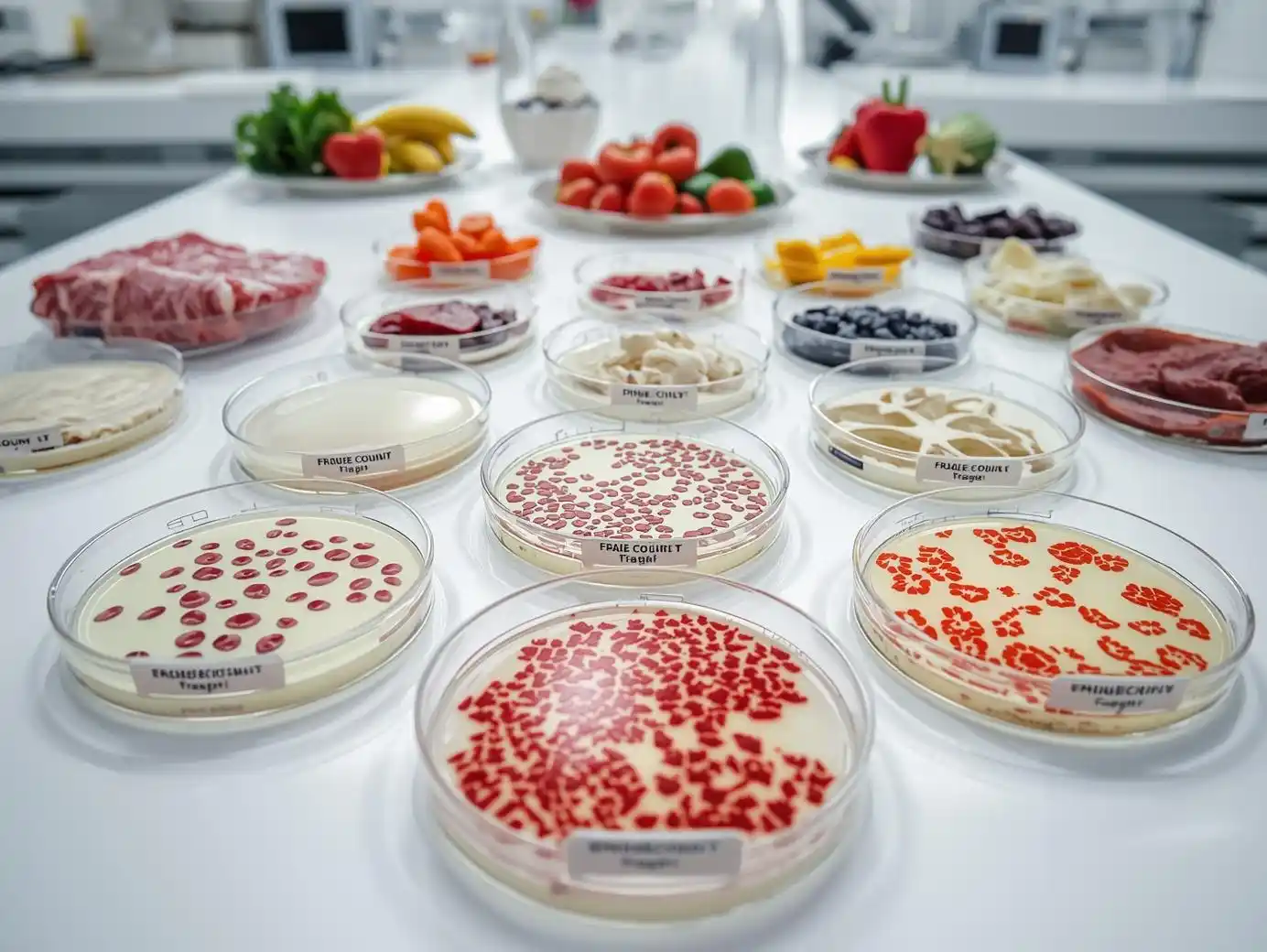
Aerobic Plate Count
The Aerobic Plate Count (APC) test enumerates mesophilic bacteria that grow in aerobic conditions. As a fundamental component of microbiological food hygiene testing, it serves as the primary gauge of total bacterial load. High APC results often indicate temperature abuse in the supply chain or sanitation failures.
- AOAC 990.12 (Petrifilm™)
- AOAC 2015.13 (Rapid)
Sample Size: 100g minimum | LOD: < 10 CFU/g | Shipping: Refrigerated (2-8°C)
Industry Application:Used universally across all food sectors (Meat, Dairy, Produce, Prepared Foods) to establish baseline quality specifications and predict remaining shelf-life.
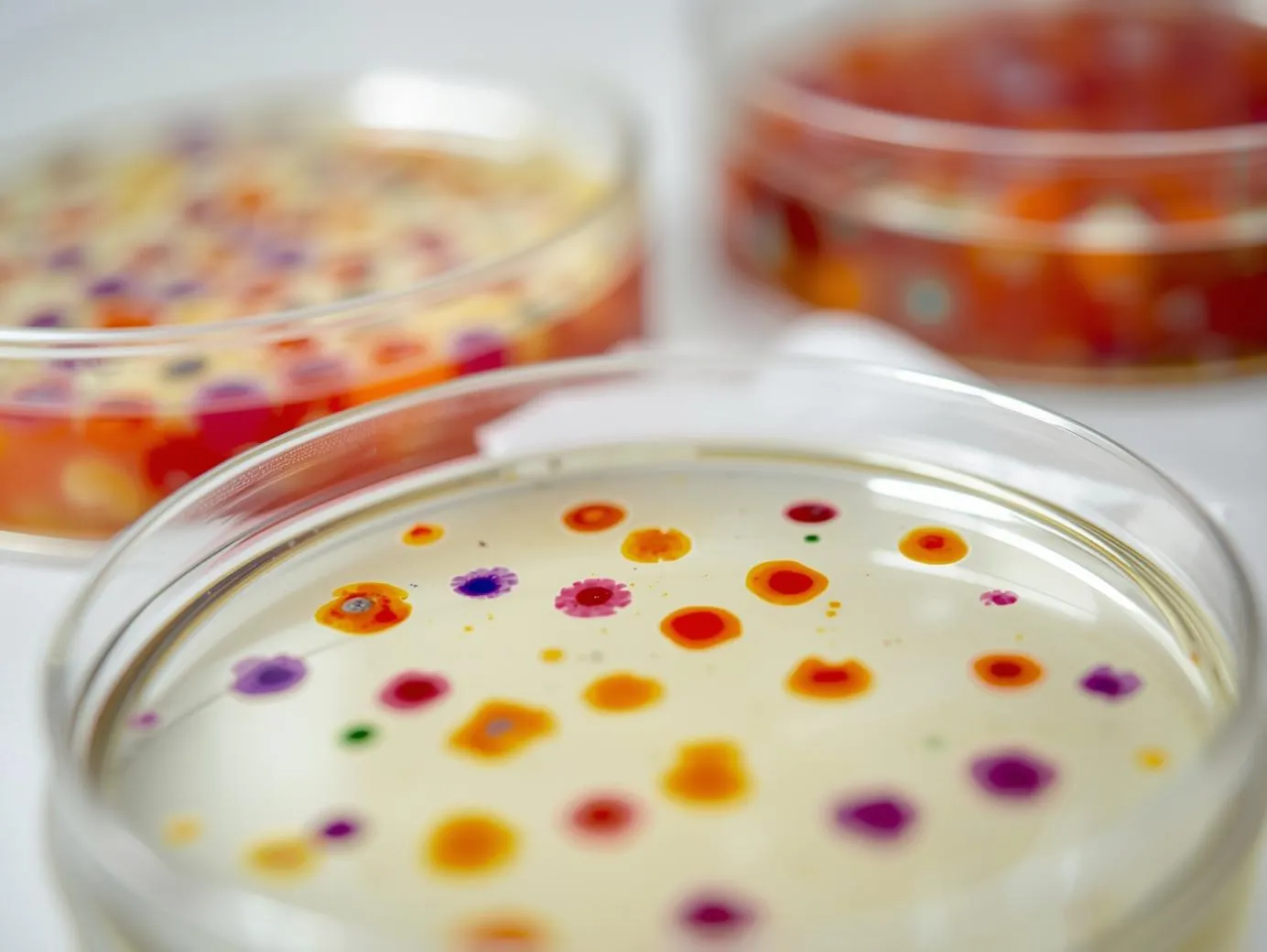
Coliform Count
Coliforms are a broad group of bacteria found in the environment. Detecting these organisms in pasteurized products is a definitive sign of post-processing contamination detected during microbiological food hygiene testing, as they are easily killed by heat.
- AOAC 991.14 (Petrifilm™)
- FDA BAM Ch. 29 (MPN)
Sample Size: 100g or 1 Environmental Swab | LOD: < 10 CFU/g | Shipping: Refrigerated
Industry Application:Critical for dairy pasteurization verification, water quality testing, and sanitation effectiveness monitoring on food contact surfaces.
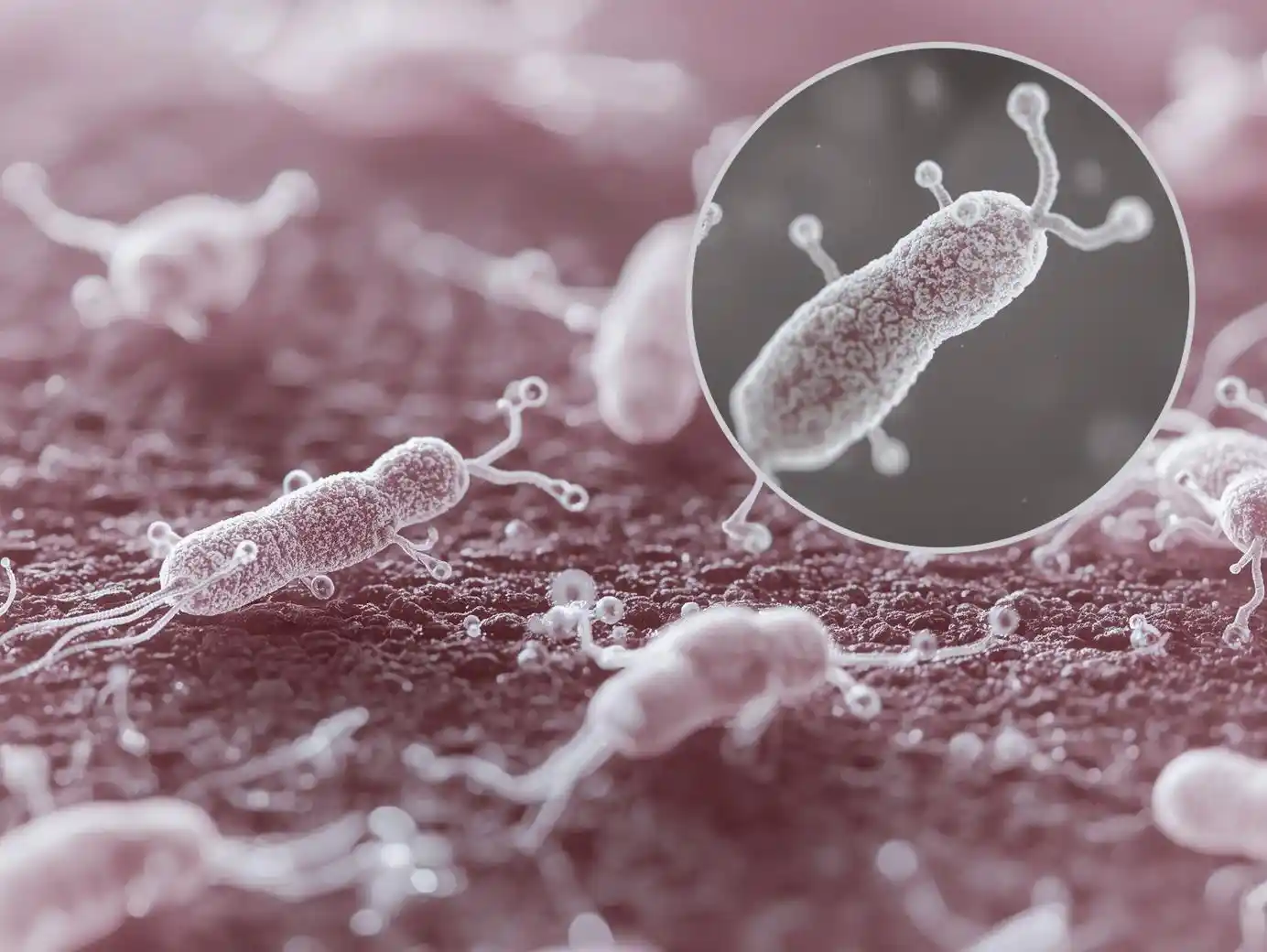
E. coli (Generic)
Generic Escherichia coli (E. coli) is a subset of the coliform group exclusively of fecal origin. Unlike general coliforms, E. coli testing provides a direct link to fecal contamination. A positive result raises the probability that pathogens like Salmonella could also be present in the sample.
- AOAC 991.14 (Petrifilm™)
- AOAC RI 110402 (Compact Dry)
Sample Size: 100g or 1 Environmental Swab | LOD: < 10 CFU/g | Shipping: Refrigerated
Industry Application:Used as a primary safety indicator in fresh produce, raw meats, and irrigation water. It is often a critical control point (CCP) in HACCP plans.
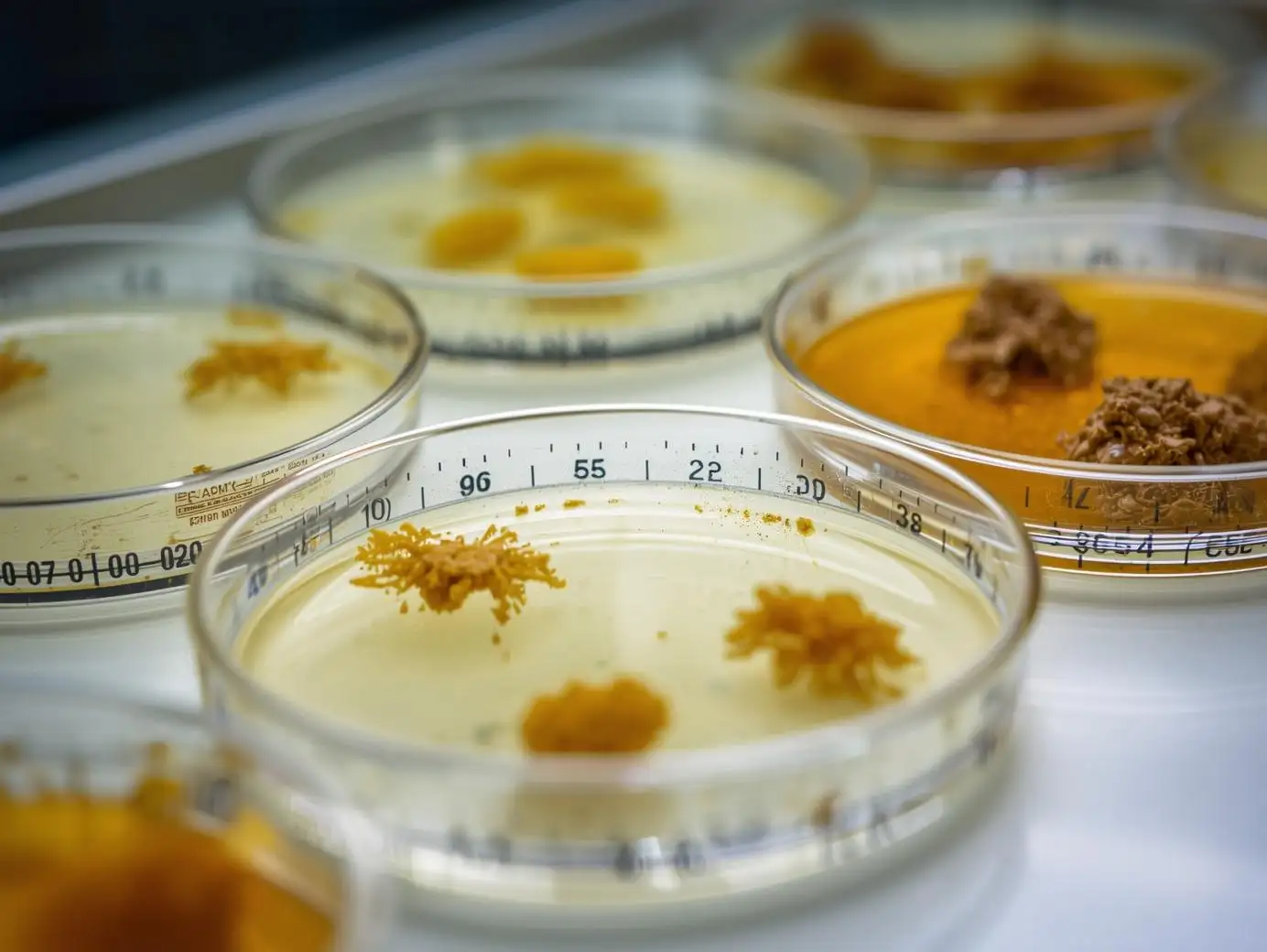
Yeast & Mold
Fungi (yeasts and molds) thrive where bacteria struggle. Our microbiological food hygiene testing services specifically screen for these organisms to prevent chronic health risks from mycotoxins and extend product quality in low-water activity environments.
- AOAC 997.02 (Petrifilm™)
- AOAC 2014.05 (Rapid)
Sample Size: 100g | LOD: < 10 CFU/g | Shipping: Ambient or Refrigerated (Do not freeze)
Industry Application:Essential for the bakery industry (shelf-life), dairy (cheese/yogurt spoilage), dried fruits, and acidic sauces. Our rapid methods provide results in 48 hours.
Lactic Acid Bacteria
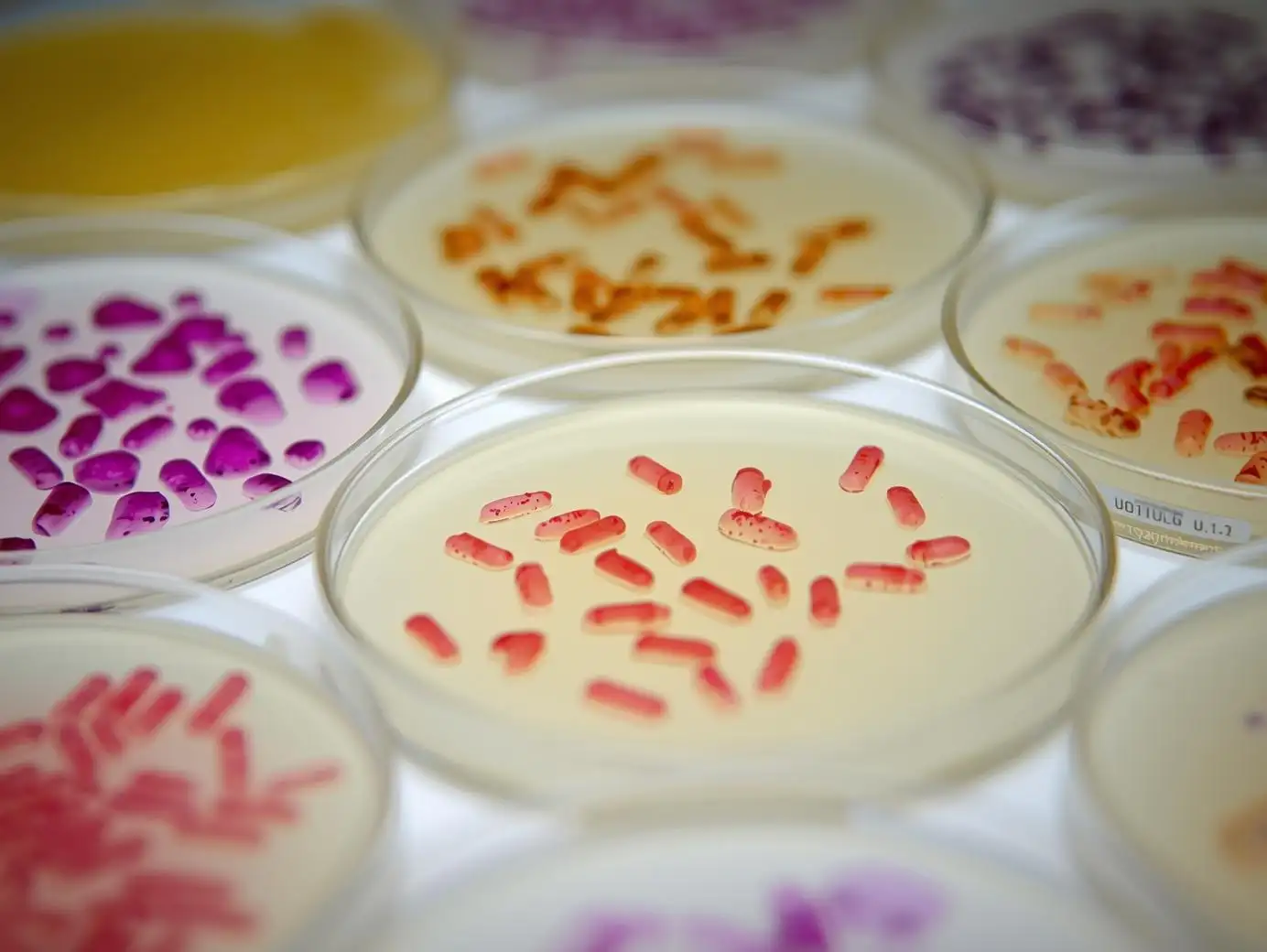
Lactic Acid Bacteria (LAB) can be beneficial or destructive. Specialized microbiological food hygiene testing is required to detect these facultative anaerobes in processed meats and dressings, where they often cause fermentation spoilage that standard aerobic counts miss.
- AOAC 990.12 (Modified)
- MRS Broth Enrichment
Sample Size: 100g | LOD: < 10 CFU/g | Shipping: Refrigerated (2-8°C)
Industry Application:Crucial testing for processed meats (hot dogs, deli slices), salad dressings, and shelf-stable acidified products. Control these organisms by monitoring food quality parameters like pH.
Industries Using Our Microbiological Food Hygiene Testing
Supporting a wide range of industries with precise microbiological analysis.

Bakery

Dairy

Meat

Produce
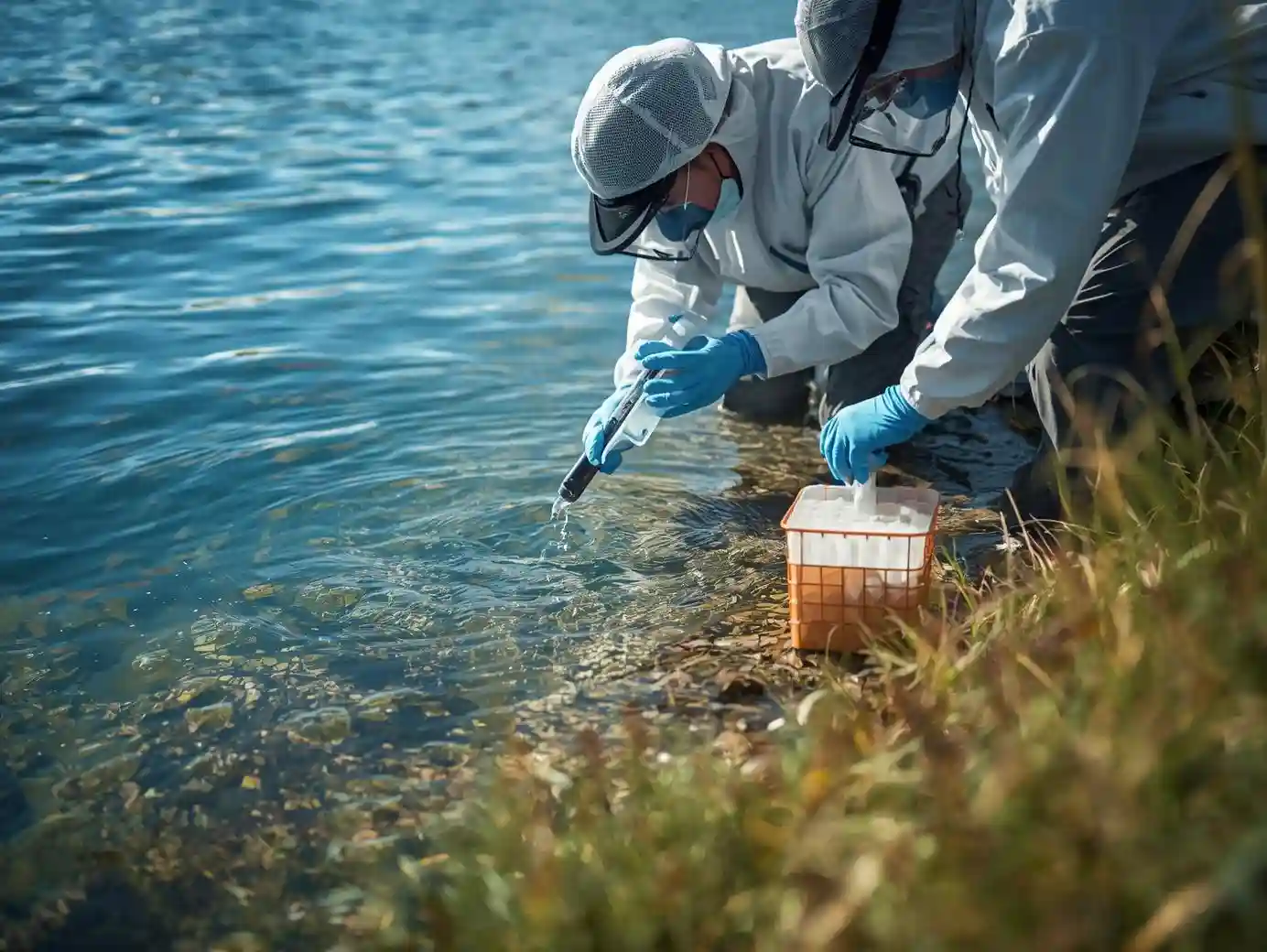
Water

Environment
Why Choose AGT Food Labs?
We combine technical rigor with the agility of a dedicated safety partner.
ISO/IEC 17025:2017 Accredited & FDA LAAF Recognized. Your results are legally defensible data.
Expedited 24h turnaround times available for critical release decisions using rapid microbiological methods.
Direct access to technical managers for result interpretation and problem-solving.
Common Questions About Hygiene Testing
What does Aerobic Plate Count (APC) indicate in food testing?
Why are Coliforms and E. coli tested separately?
What are acceptable limits for Yeast and Mold in food?
Does a low APC result guarantee the food is safe?
How often should hygiene monitoring be performed?
What is the turnaround time for standard hygiene tests?
Ensure Production Safety with Microbiological Food Hygiene Testing
Validate your sanitation protocols with accredited microbiological testing.
Get A Free Quote