
Food Quality Testing
Ensuring Product Excellence Through Rigorous Analytical Parameters. Our ISO 17025 Accredited Lab delivers precise food quality testing data for food stability testing, safety, and regulatory compliance.
Precision in Food Quality Testing & Analysis
Accurate food quality testing is the foundation of a successful brand. In today's competitive market, the physical attributes and chemical composition of your product dictate its food safety quality control, consumer acceptance, and product consistency. Our dedicated laboratory provides the analytical rigor required to validate these critical quality parameters.
We move beyond basic compliance to offer comprehensive quality assurance. By focusing on critical indicators, we help manufacturers maintain consistency across batches. Whether reformulating or launching new lines, our food quality analysis empowers informed decisions regarding texture, organoleptic properties, and preservation efficacy.
Importance of Food Quality Testing
Proactive quality assurance for your brand.
Brand Reputation & Consistency
Consumers expect the same taste and texture every time. Regular food quality testing ensures every batch meets your defined specifications, protecting your brand from sensory variability.
Safety & Regulation
Meet strict FDA and ISO standards. Our food quality protocols detect early signs of spoilage or chemical instability, ensuring your products remain safe throughout their intended shelf life.
Shelf Life Optimization
Precise analysis of water activity and oxidation levels allows you to optimize packaging and reduce food waste, validating the freshness claims on your label.
Food Quality Testing Parameters
Comprehensive technical specifications for our core quality tests. Our advanced infrastructure allows us to perform rigorous chemical analysis to ensure product excellence.
Water Activity (aw) Testing

Water Activity (aw) Testing is a critical parameter that measures the energy status of water available for microbial growth prediction. Unlike moisture content, aw determines microbial susceptibility and texture stability, making it essential for predicting shelf life and safety.
Test Methods
AOAC 978.18 (Chilled Mirror Dewpoint). Range: 0.000 - 1.000 aw.
Technical Specs
Sample Size: 100g | LOD: 0.001 aw | Shipping: Ambient in sealed container
Accreditation & TAT
ISO 17025 Accredited | 24 Hours
pH Testing for Food Quality
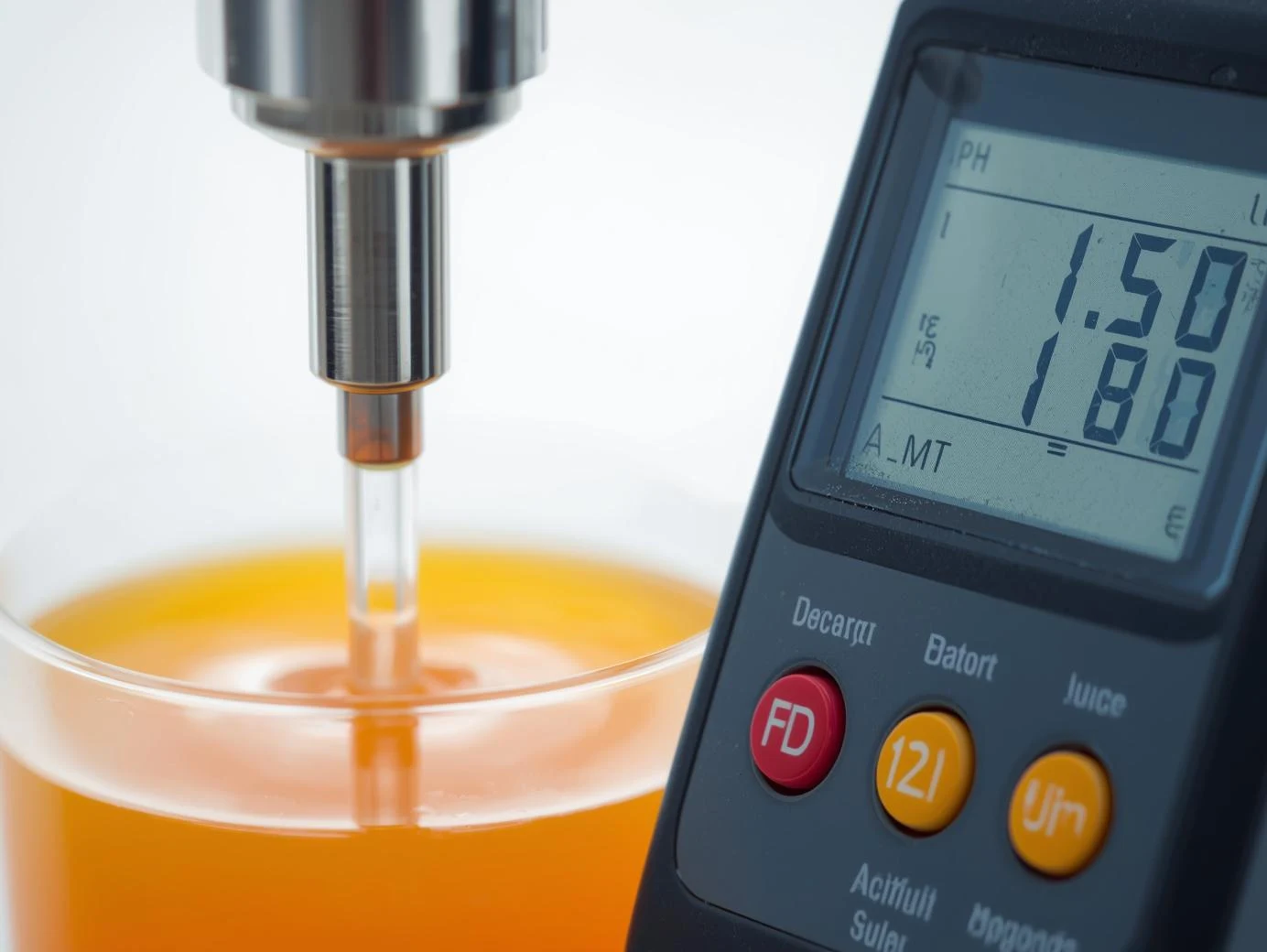
Control Monitoring pH is vital for both flavor consistency and preservation. In food quality, precise pH control enables pathogen prevention and maintains the desired organoleptic properties of beverages, dairy, and acidified foods.
Test Methods
EPA 150.1 (Potentiometric Analysis). Range: 0 - 14 pH.
Technical Specs
Sample Size: 100g or 100mL | LOD: 0.01 pH units | Shipping: Refrigerated or Ambient
Accreditation & TAT
ISO 17025 Accredited | Same Day
Peroxide Value (PV) Quality Analysis
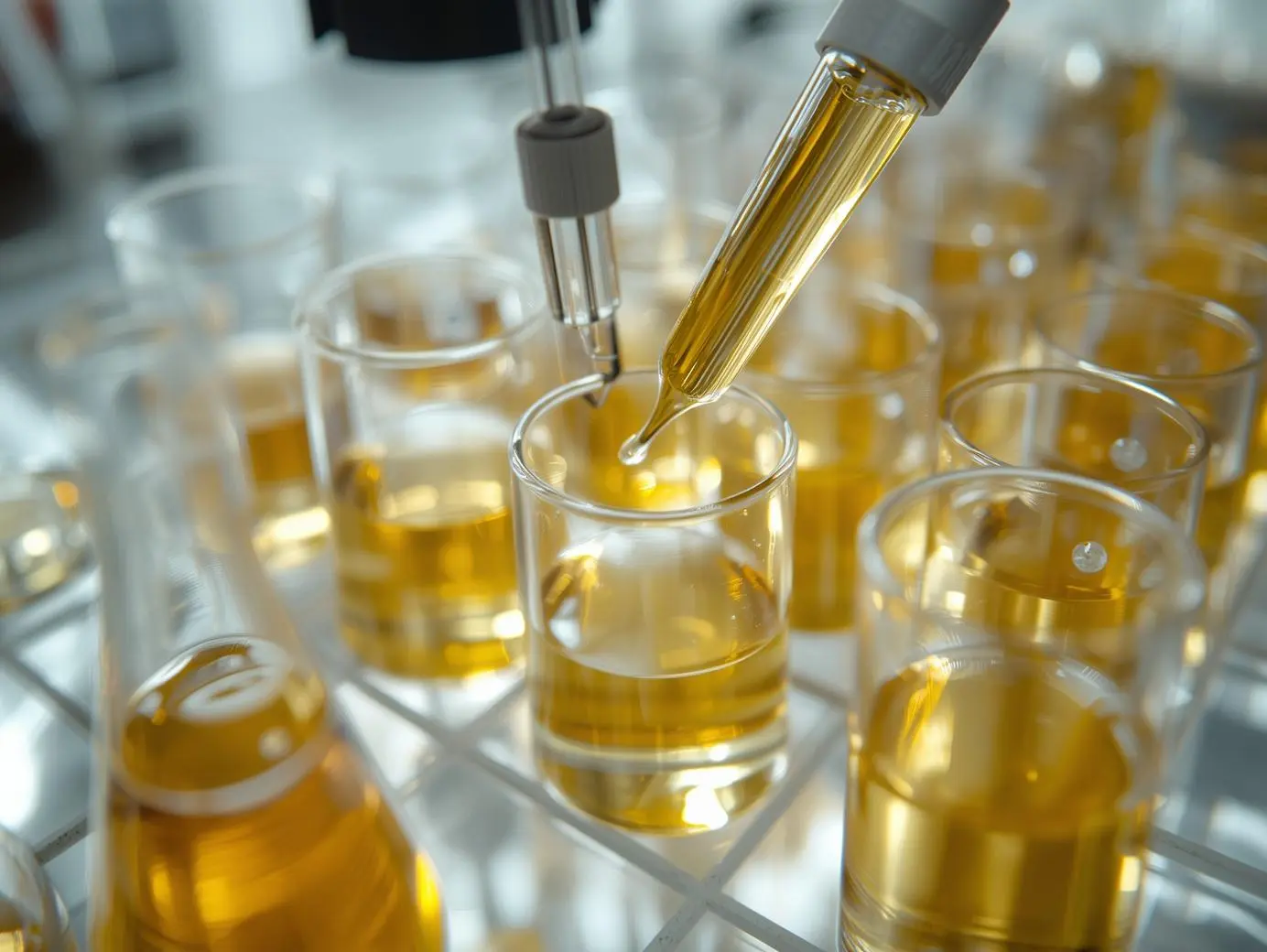
A primary indicator of oxidative rancidity. This quality test measures the concentration of peroxides formed during the initial stages of lipid oxidation, helping manufacturers verify the freshness of oils, nuts, and fried products through oil freshness testing.
Test Methods
AOCS Cd 8b-90 (Titration)
Technical Specs
Sample Size: 100g (extracted fat/oil) | LOD: 0.1 meq/kg | Shipping: Ambient (Protect from heat and light)
Accreditation
ISO 17025 Accredited
Turnaround Time
2-3 Business Days
Free Fatty Acid (FFA) Stability Testing

Elevated FFA levels are a sign of hydrolysis and lipid degradation. As part of a robust food quality testing program, monitoring FFAs ensures that raw materials meet stability standards before they are used in production.
Test Methods
AOCS Ca 5a-40 (Alkalimetric Titration).
Technical Specs
Sample Size: 100g (extracted fat/oil) | LOD: 0.01% as Oleic Acid | Shipping: Ambient (Protect from heat and light)
Turnaround Time
2-3 Business Days
Industries We Serve
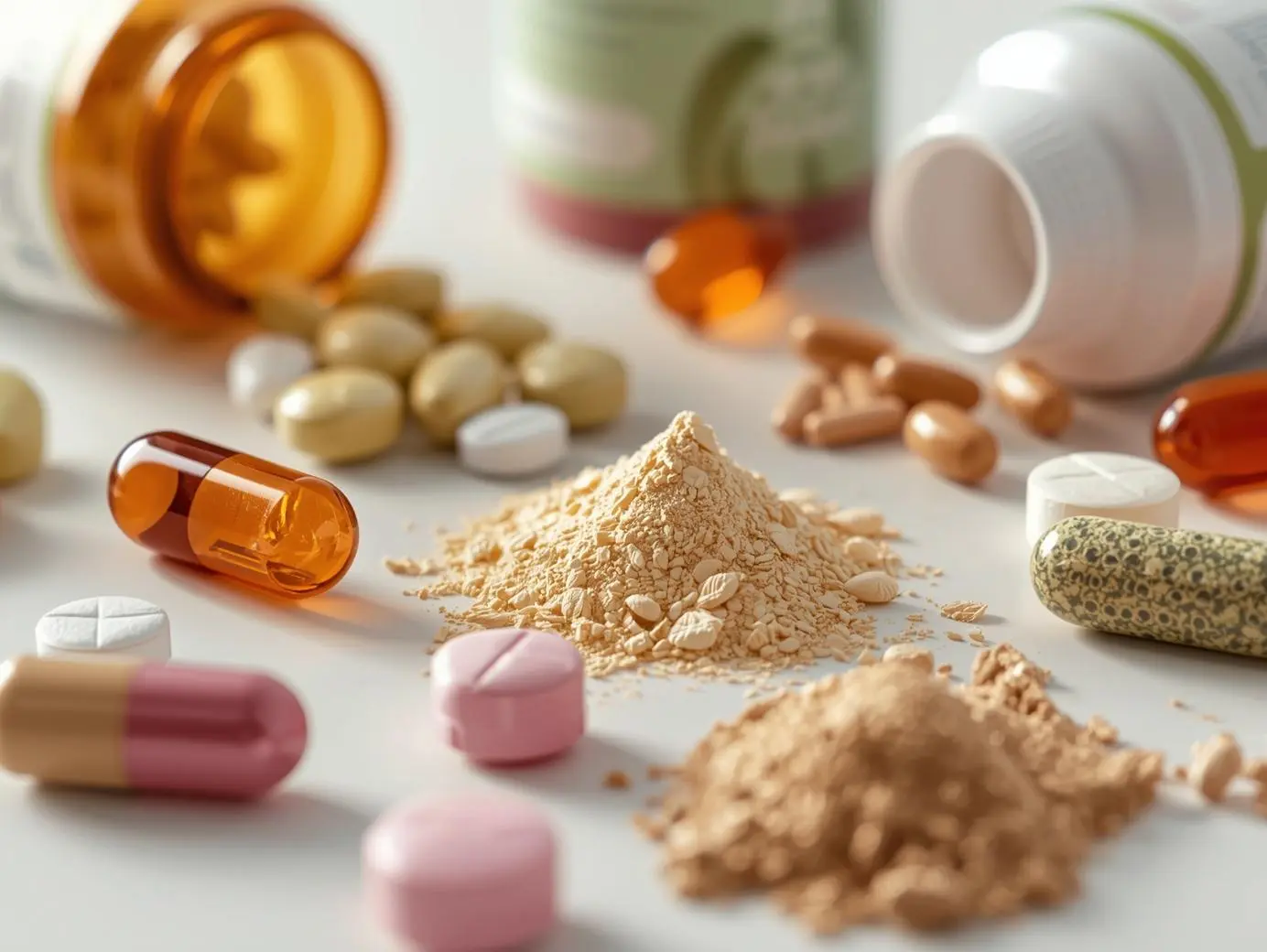
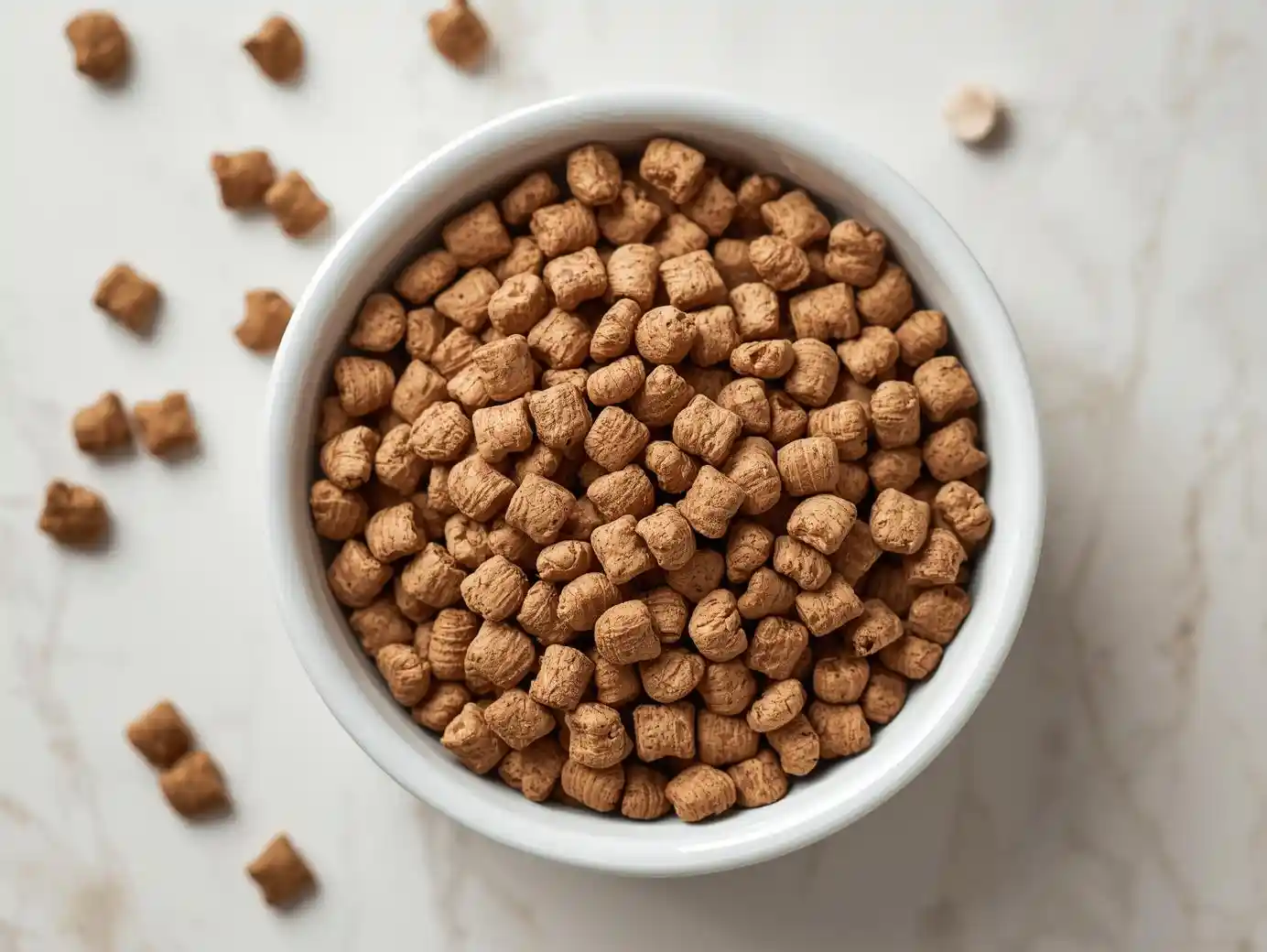
Tailored food quality testing solutions.


Technical Capabilities
Accuracy in food quality is driven by advanced instrumentation.
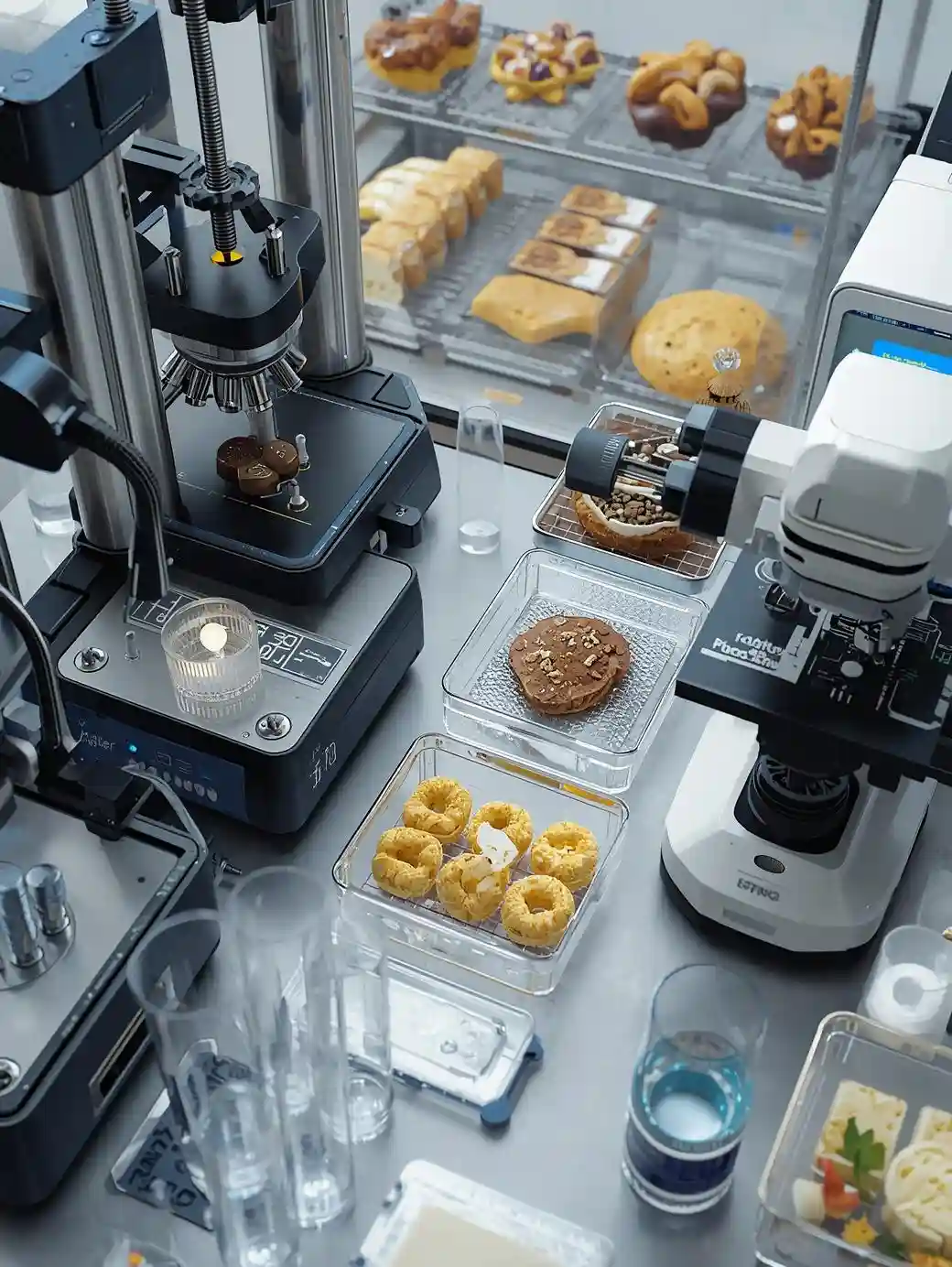
-
High-Precision Titrators
Automated analysis for exacting quality parameters like acidity and salt content.
-
Chilled Mirror Dewpoint Meters
The gold standard for Water Activity (aw) measurement, ensuring texture and microbial stability.
-
Rigorous Calibration
Daily verification against NIST-traceable standards to ensure data integrity for your quality audits.
Why Choose AGT Labs
Scientific partners in food quality and product development.
ISO 17025 Accredited
Recognized competence for testing. Your quality testing results stand up to any regulatory audit.
Rapid Turnaround
We know production can't wait. Get standard quality analysis in 48h or expedite to same-day.
Expert Consultation
Direct access to technical experts. We explain what the data means for your product's quality and shelf life.
Common Questions About Food Quality Testing
What is the difference between Food Safety and Food Quality testing?
Why is Water Activity (aw) a critical quality parameter?
How does pH testing affect product shelf life?
What tests are used to determine if an oil is rancid?
Can you help determine the shelf life of my product?
Is sensory evaluation part of food quality testing?
Ready to Ensure Your Product Safety?
Join hundreds of food manufacturers who trust AGT Labs for accurate, accredited, and timely results.
Get A Free Quote