
Food Allergen Testing
& Gluten-Free Analysis
Protect your consumers and verify your labels. We provide quantitative food allergen testing and ELISA analysis for the "Big 9" allergens, gluten-free verification, and environmental cleaning validation.
Prevent Recalls with Reliable Food Allergen Testing
Undeclared allergens are the #1 cause of food recalls in the United States. Under the FASTER Act of 2021, manufacturers must now label nine major allergens, including the newly added Sesame. Accurate compliance requires both allergen declarations and nutritional analysis data for your final packaging.
AGT Food Labs helps you verify your "Free From" claims. Whether you need to confirm a gluten-free production run or validate your facility's food hygiene and cleaning procedures to prevent cross-contact, our high-sensitivity food allergen testing provides the scientific proof you need.
The Food Allergen Testing Workflow
We use the Enzyme-Linked Immunosorbent Assay (ELISA) method for precise protein detection.
Our Food Allergen Testing Services
Comprehensive screening for ingredients, finished products, and manufacturing surfaces.
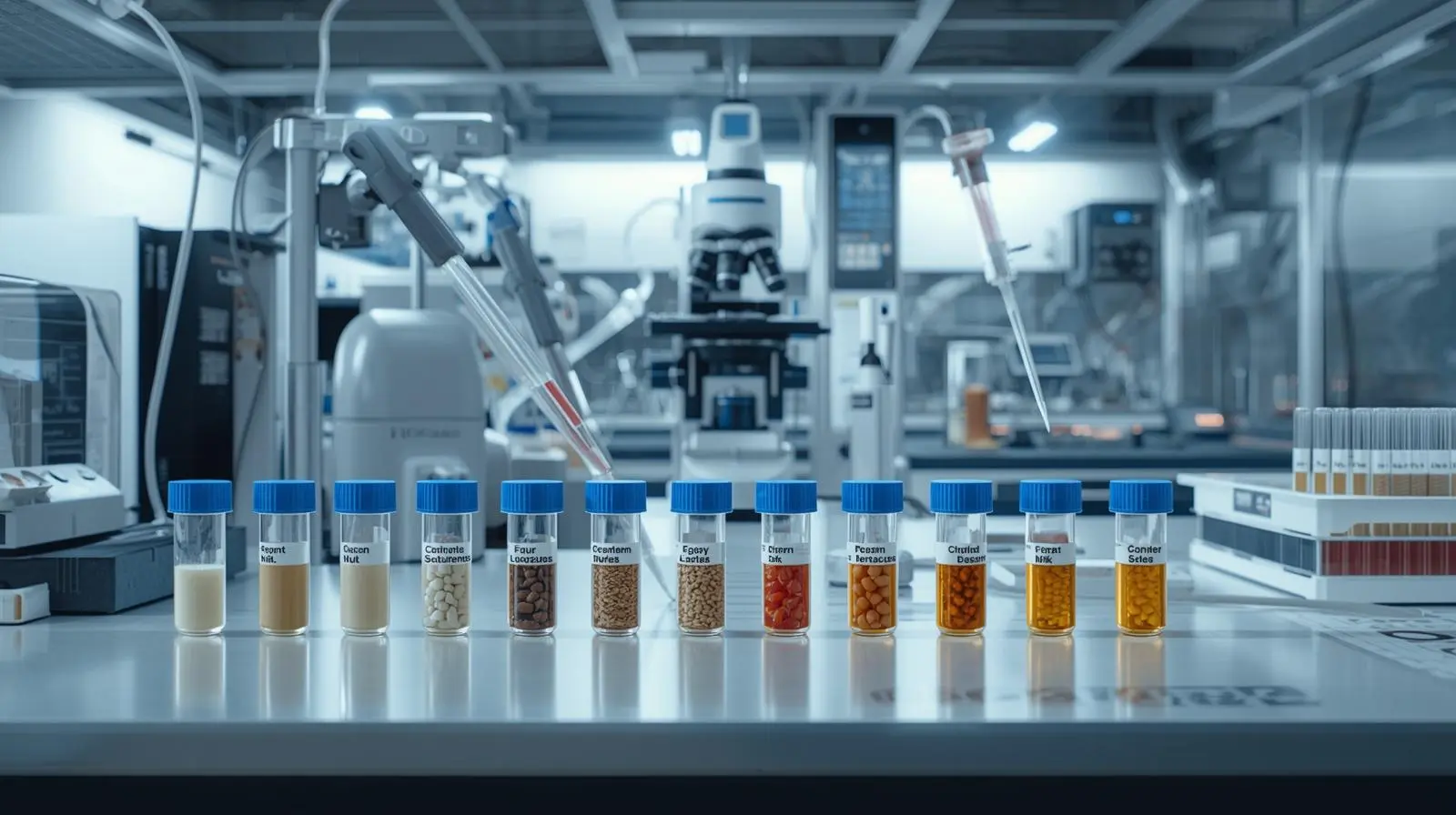
The "Big 9" Allergen Screen
We test for all major allergens mandated by US law. Our flagship food allergen testing service provides quantitative data to help with risk assessment (VITAL 3.0), going beyond just a "Pass/Fail." We are also experts in navigating the FDA's specific definition of Tree Nuts, which includes Coconut—a common compliance trap for manufacturers.
- Peanuts & Tree Nuts (Almond, Walnut, Cashew, Pecan)
- Milk (Casein & Beta-Lactoglobulin)
- Egg (Ovalbumin)
- Soy, Wheat, Fish, Crustacean
- Sesame (Newest FDA Requirement)
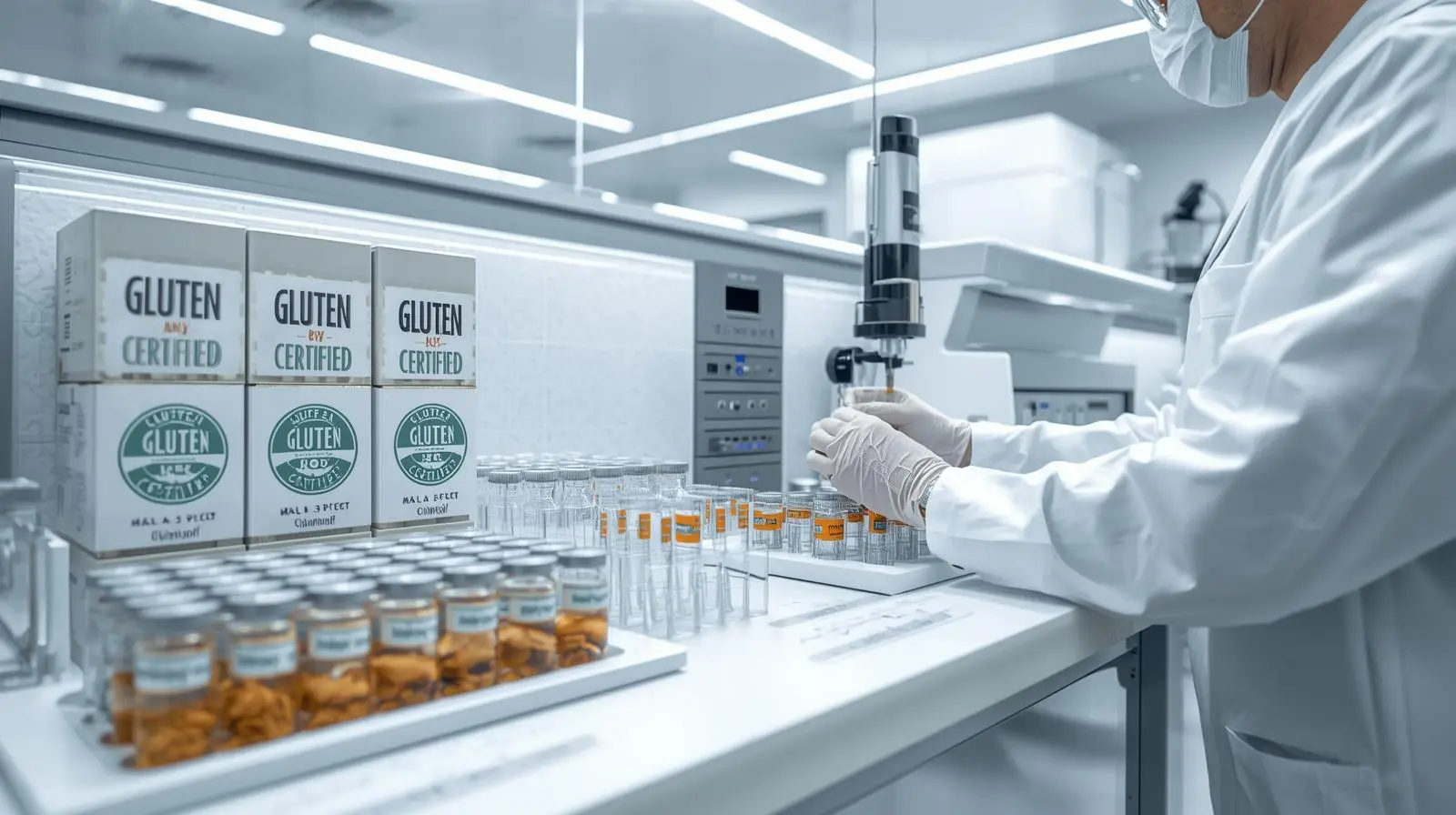
Gluten-Free Certification Testing
To label a product "Gluten-Free," the FDA requires it to contain less than 20 parts per million (ppm) of gluten. As part of our food allergen testing portfolio, we use the R5 Mendez Method (AOAC approved) to detect gluten from wheat, rye, and barley with a detection limit of 5 ppm, ensuring you are well within the safe zone.
Advanced Hydrolyzed Testing: Standard tests often fail on fermented products like Beer, Soy Sauce, or Sourdough. We utilize specialized Competitive ELISA which can detect broken-down gluten peptide fragments that standard Sandwich ELISA misses.

Environmental Allergen Swabs
Preventing "Cross-Contact" is the heart of any Food Safety Plan. If you run allergenic (e.g., Peanut) and non-allergenic lines in the same facility, you must Validate that your cleaning actually works.
We provide specific environmental food allergen testing kits for you to sample equipment surfaces (mixers, belts, fillers). We analyze these swabs to prove that your "Clean-in-Place" (CIP) procedures effectively remove proteins down to the microgram level, satisfying FSMA Preventive Controls requirements.
Detection Limits (LOQ)
We use high-sensitivity ELISA kits to detect trace levels of allergenic proteins.
| Allergen | Method | Limit of Quantitation (LOQ) |
|---|---|---|
| Gluten (Gliadin) | R5 Mendez ELISA | 5.0 ppm |
| Peanut | ELISA | 2.5 ppm |
| Milk (Total) | ELISA | 2.5 ppm |
| Egg | ELISA | 2.5 ppm |
| Soy | ELISA | 2.5 ppm |
| Almond / Walnut | ELISA | 2.5 ppm |
| Sesame | ELISA | 5.0 ppm |
| Sulfites | Monier-Williams | 10.0 ppm |
Regulatory Compliance
Meeting the strict labeling laws of the United States.
FALCPA & FASTER Act
Our food allergen testing covers all 9 major allergens defined by the Food Allergen Labeling and Consumer Protection Act and the FASTER Act (Sesame).
FDA Gluten-Free Rule
We verify compliance with 21 CFR 101.91, ensuring your product tests below the mandatory 20 ppm threshold for gluten-free claims.
FSMA Preventive Controls
Our environmental swabbing program validates your Allergen Control Plan, a key requirement for FSMA audits.
Frequently Asked Questions
Common questions about allergen thresholds and testing methods.
What are the "Big 9" Allergens?
Is Coconut considered a Tree Nut by the FDA?
Does a "May Contain" label protect me from testing?
Why use ELISA instead of PCR?
Is a product with 15 ppm Gluten safe?
Do you test for Sulfites?
Verify Your "Free From" Claims.
Ensure your products are safe for allergic consumers with our accredited food allergen testing services.
Get A Quote